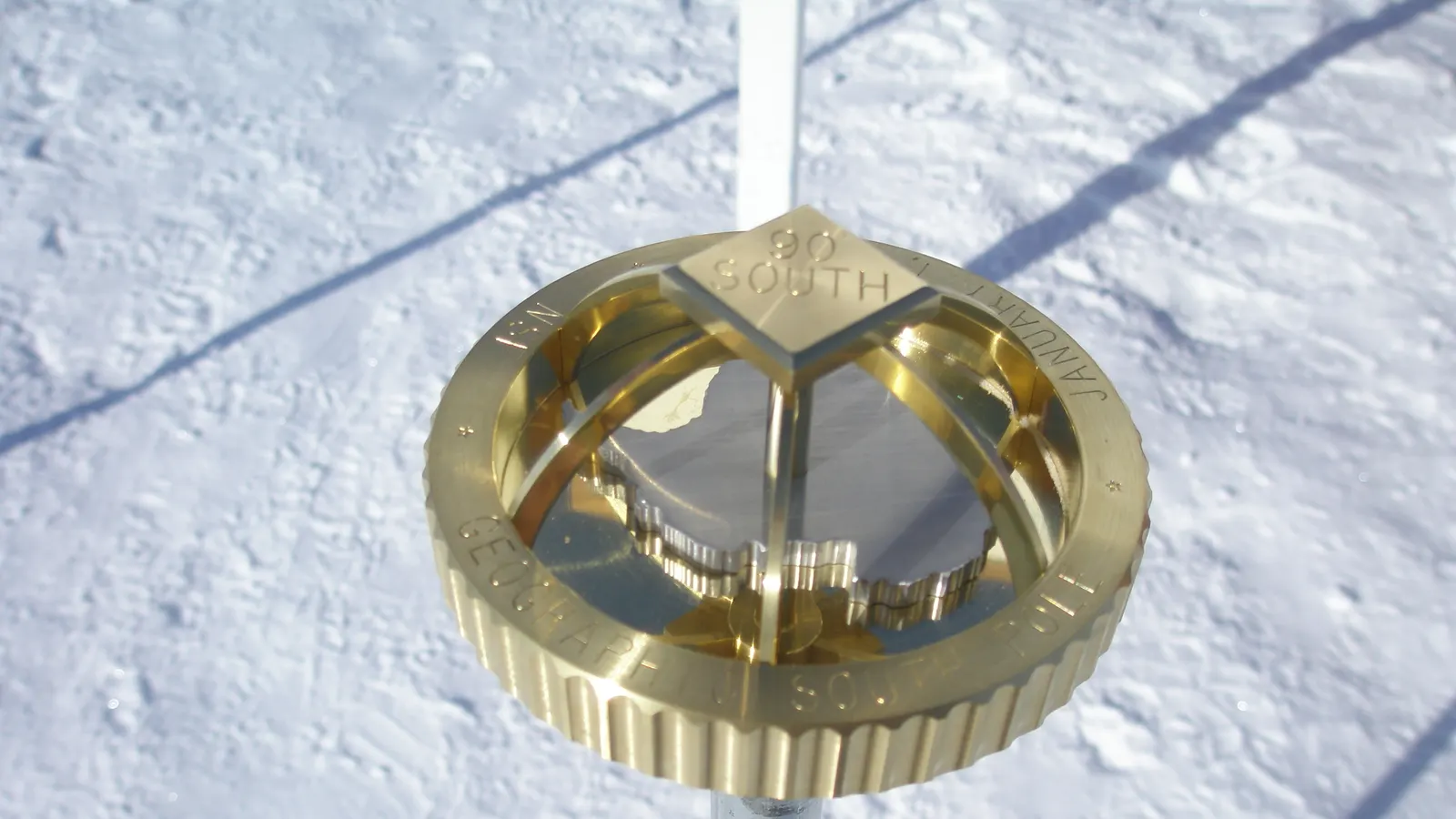
 Alan Light · CC BY 2.0
Antarctica
“A continent governed by treaty, with no citizens and no owner.”
Antarctica is the only continent with no indigenous population, no government and no sovereignty in force — the 1959 Antarctic Treaty froze all territorial claims, banned military activity and mining, and set the continent aside for science. Around 5,000 people overwinter across the research stations, rising to perhaps 30,000 in summer, and about 100,000 visitors arrive by ship each season.
For nearly all of them the destination is the Antarctic Peninsula, reached across the Drake Passage from Ushuaia in about two days — gentoo, chinstrap and Adélie penguin colonies, humpback and minke whales, and landings among ice cliffs and abandoned whaling stations. The Ross Sea, far harder to reach from New Zealand, holds Scott's and Shackleton's huts preserved almost exactly as they were left. Season runs November to March; nothing operates outside it, and everything is governed by IAATO rules and national permits.
Highlights
The Antarctic Peninsula
Where nearly every visitor goes — Lemaire Channel, Paradise Harbour, Neko and Cuverville, with gentoo and chinstrap colonies, leopard seals and humpbacks feeding along the ice edge from February.
South Shetland Islands
The first landfall across the Drake — Deception Island's flooded volcanic caldera, which ships sail into through Neptune's Bellows, and the huge chinstrap colonies at Bailey Head.
The Ross Sea and the historic huts
Scott's hut at Cape Evans and Shackleton's at Cape Royds, preserved with supplies still on the shelves, plus Mount Erebus and the emperor penguin colonies. Reached on long voyages from New Zealand.
The Weddell Sea and emperor penguins
Tabular icebergs the size of towns, and emperor colonies reached by icebreaker or helicopter on specialist voyages in November — the hardest and most expensive Antarctic trip on offer.
Entry requirements for Antarctica
Checking your passport…
We don't hold entry details for this passport group yet.
Before you fly
The detail
- Passport validity
- Most destinations want validity beyond your stay, and some want six months. Check yours against the return date.
- Onward travel
- Airlines may ask for a return or onward ticket at check-in.
- Health
- Ships carry a doctor; stations have limited medical facilities. Evacuation from the Peninsula takes days and from the Ross Sea longer. Operators require insurance covering emergency evacuation, usually to a minimum of US$100,000–200,000. Seasickness across the Drake is close to universal.
- Money
- Ships run onboard accounts in US dollars or euros settled by card at the end. There is no currency, no ATM and nowhere to spend money ashore except the small post office and shop at Port Lockroy.
When to go
BestNov–Feb. AvoidApr–Oct.
Peak summer — warmest, longest light, penguin chicks hatching.
The band above each month is our editorial verdict - it weighs crowds, prices and access as well as weather. The line is average daily temperature, the bars are monthly rainfall. Select a month for the figures. Climate figures: ERA5 reanalysis via Open-Meteo, 2005–2024 normals.
What it costs
A day in Antarctica
Comfortable · sample day
≈ $972
Line items are real prices we track. The daily budget is an editorial estimate for this level, not their sum.
Where this sits among 244 countries we have costed
November and March sail cheapest; December to February commands a premium. Last-minute berths from Ushuaia still appear but far less reliably than a decade ago.
Updated Aug 2026 · Editorial synthesis — IAATO operator pricing and published voyage tariffs (2025–2026) · confidence high
Excludes international flights - they depend on where you fly from.
Regions to know
5The Antarctic Peninsula
The Lemaire Channel, Paradise Harbour, Neko, Port Lockroy and the mainland landings almost all voyages make.
The South Shetlands
Deception Island's caldera, Half Moon and Bailey Head — the first landfall after the Drake.
The Weddell Sea
Tabular icebergs, emperor penguin colonies and heavy pack ice on the eastern side of the Peninsula.
The Ross Sea
Scott and Shackleton's huts, Mount Erebus, the Dry Valleys and the great ice shelf, reached from New Zealand.
The interior and the Pole
Union Glacier, Vinson Massif and the geographic South Pole, reached by ski-equipped aircraft on the most expensive trips of all.
Practical guide
Getting there
Ushuaia is the departure point for around 90% of voyages, with Punta Arenas, Bluff, Hobart and Cape Town serving other routes. Fly-cruise options cross the Drake by air to King George Island in two hours instead of two days at sea.
Getting around
Zodiacs from the ship for every landing. There is no infrastructure ashore beyond the research stations, and visitors do not move independently. Some voyages add kayaking, camping ashore or ski-mountaineering with guides.
Money & costs
Ships run onboard accounts in US dollars or euros settled by card at the end. There is no currency, no ATM and nowhere to spend money ashore except the small post office and shop at Port Lockroy.
Safety
Everything is operator-managed. The real risks are the Drake Passage crossing, hypothermia, and the fact that rescue is days away — which is why comprehensive evacuation insurance with a high limit is a booking condition for every reputable operator.
Health
Ships carry a doctor; stations have limited medical facilities. Evacuation from the Peninsula takes days and from the Ross Sea longer. Operators require insurance covering emergency evacuation, usually to a minimum of US$100,000–200,000. Seasickness across the Drake is close to universal.
SIM & internet
Ships carry satellite internet, increasingly Starlink, which has transformed connectivity on Peninsula voyages. Expect it to work most of the time and to cost extra. Nothing ashore.
Driving
There are no public roads in Antarctica. Station tracks and ice runways are operated by national programmes and are not accessible to visitors. All movement ashore is on foot with guides.
Rules change - verify with an official source before you rent.
ExplWorld VerifiedNo verified partners here yet - all 6 country seats are open.
Become ExplWorld Verified →Before you go
AntarcticaFrequently asked questions
How do I actually go, and what does it cost?
By expedition ship, almost always from Ushuaia in Argentina for the Peninsula, occasionally flying the Drake to King George Island to save the crossing. A ten-day Peninsula voyage starts around €7,000 per person and rises steeply; Ross Sea and emperor penguin trips run well into five figures. Book with an IAATO member — the rules that protect the place depend on it.
Do I need a visa?
There is no Antarctic visa because there is no state to issue one. What you need is a permit under your own country's Antarctic legislation, which your operator obtains, plus the visa for wherever you sail from — Argentina, Chile, New Zealand or South Africa. Everything else is governed by the Antarctic Treaty and its Environmental Protocol.
What are the landing rules?
Strict and enforced. No more than 100 passengers ashore at once, five metres from wildlife and more from nesting birds, boots and outerwear vacuumed and disinfected before every landing, nothing taken and nothing left, and no food ashore. Ships over 500 passengers may not land at all. These are IAATO rules with treaty force behind them.