 Wolfgang Weiser · Pexels License
Austria
“Imperial Vienna at one end, the Alps for the other two thirds.”
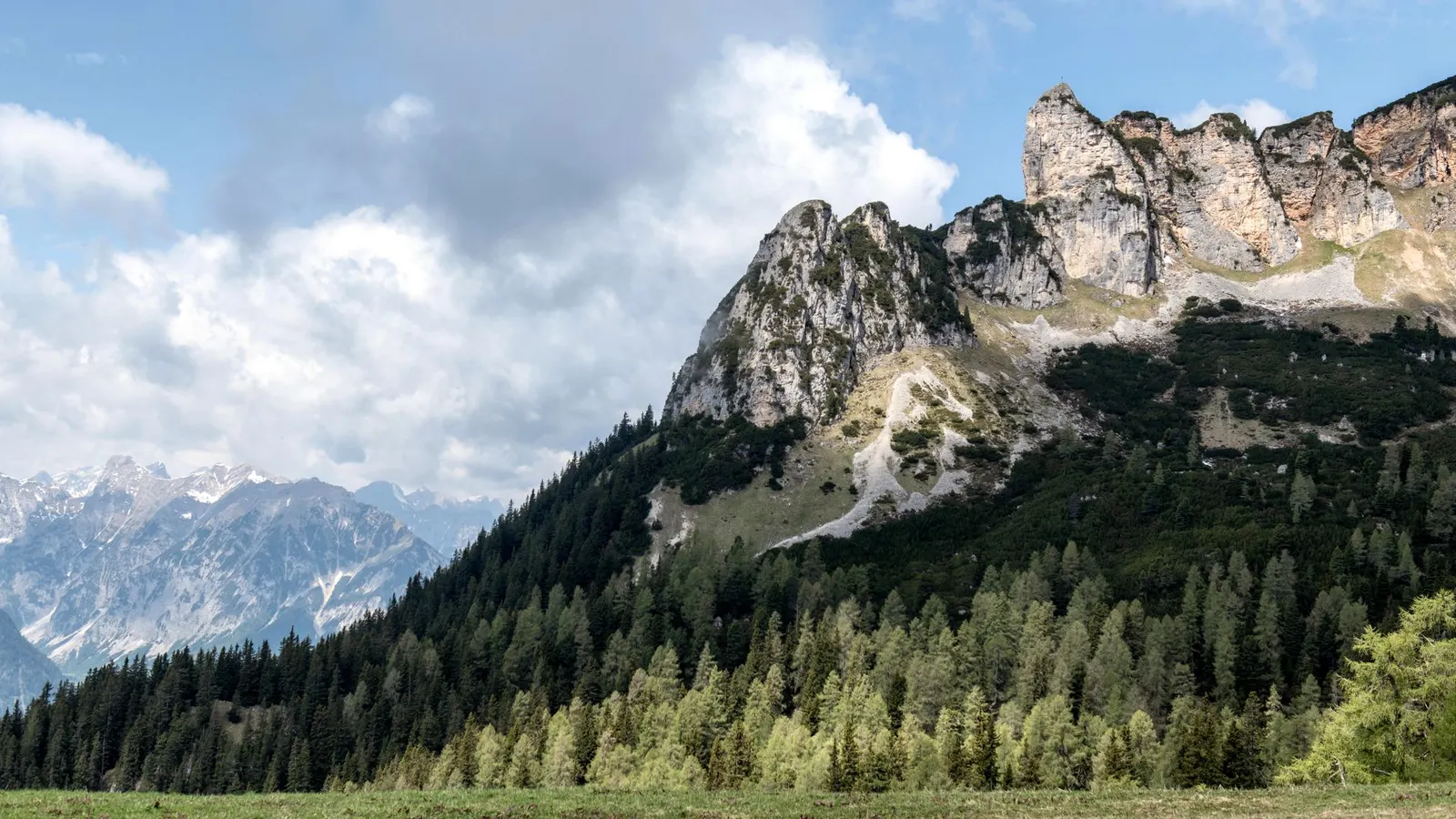
Austria is two countries stitched at Salzburg. To the east lies the flat Danube country and Vienna, a capital built to run an empire of fifty million and now serving nine — which is why the palaces, museums and concert halls are oversized for the population. To the west, the Alps take over completely: Tyrol, Vorarlberg and Salzburgerland are mountain provinces where every valley has a lift system and a hut network.
The practical appeal is that the second half costs substantially less than Switzerland across the border and has comparable infrastructure. Austrian huts are cheaper, the lift passes are cheaper, and the trains are excellent. Vienna, meanwhile, is one of the more affordable major capitals in Western Europe and consistently tops liveability rankings for reasons a visitor notices within a day.
Highlights
Vienna's museums and coffee houses
The Kunsthistorisches, the Belvedere's Klimts, and the Museumsquartier — plus a coffee-house culture that is UNESCO-listed and where nursing one Melange for two hours is the point.
The Salzkammergut
Lakes between mountains east of Salzburg — Hallstatt on its shore, Wolfgangsee and the Dachstein ice caves above. Hallstatt is desperately crowded by day and lovely at seven in the morning.
Tyrol's hut-to-hut walking
The Stubai and Zillertal high trails, with staffed huts a day apart serving dinner and a bunk for around €60. The Alpine Association hut network is the best-value mountain accommodation in Europe.
The Wachau valley
A Danube stretch of terraced vineyards, apricot orchards and the Melk abbey above them — cycled on the flat riverside path or taken by boat.
Entry requirements for Austria
Checking your passport…
We don't hold entry details for this passport group yet.
Before you fly
The detail
- Passport validity
- Most destinations want validity beyond your stay, and some want six months. Check yours against the return date.
- Onward travel
- Airlines may ask for a return or onward ticket at check-in.
- Health
- No vaccinations required. Healthcare is excellent; EHIC/GHIC covers EU and UK visitors. Tick-borne encephalitis is genuinely prevalent in Austria and vaccination is standard among residents — worth considering for any extended time in forest or meadow below 1,500 metres. Tap water is excellent, much of it from mountain springs. Mountain rescue is charged; Alpine Club membership includes cover.
- Money
- Cards are widely accepted but Austria is more cash-oriented than most of Western Europe — small cafés, huts and rural businesses often want cash, and mountain huts frequently do not take cards at all. Carry notes for any hut trip. Tipping is around 5–10 %, given when paying rather than left behind.
When to go
BestJun–Sep. AvoidApril, November.
Wildflowers and long days as the hut network opens.
The band above each month is our editorial verdict - it weighs crowds, prices and access as well as weather. The line is average daily temperature, the bars are monthly rainfall. Select a month for the figures. Climate figures: ERA5 reanalysis via Open-Meteo, 2005–2024 normals.
What it costs
A day in Austria
Comfortable · sample day
≈ $119
Line items are real prices we track. The daily budget is an editorial estimate for this level, not their sum.
Where this sits among 244 countries we have costed
Two peaks: the ski season from Christmas to February in the western provinces, and July and August in the mountains and around Salzburg during its festival. Vienna is steadier, rising for the ball season in January and February and around major concerts. April and November are cheap because the mountain infrastructure is closed.
Updated Aug 2026 · Editorial synthesis — ÖBB published fares, Alpenverein hut tariffs, resort lift-pass prices (2025–2026) · confidence high
Excludes international flights - they depend on where you fly from.
Regions to know
5Vienna & the east
The imperial capital, the Wachau's vineyards along the Danube, and Lake Neusiedl on the Hungarian border.
Salzburg & the Salzkammergut
The baroque city and its festival, plus the lake district with Hallstatt and the Dachstein caves.
Tyrol
Innsbruck between the ranges, the Stubai and Zillertal valleys, and the country's best hut-to-hut walking.
Vorarlberg
The far west on Lake Constance — Bregenz's floating stage, the Bregenzerwald's modern timber architecture and the Arlberg.
Carinthia & Styria
Warm southern lakes, Graz's old town and design scene, and the wine roads toward Slovenia.
Practical guide
Getting there
Vienna (VIE) is the main hub, with Salzburg, Innsbruck and Graz taking European flights and Munich often the cheaper gateway to Tyrol. Rail links are excellent — Munich to Salzburg in 90 minutes, Zurich to Innsbruck in three and a half hours, and ÖBB's Nightjet sleepers reach Amsterdam, Paris, Rome and Hamburg.
Getting around
ÖBB trains are punctual, comfortable and reasonably priced, with Sparschiene advance fares much cheaper. Postbuses reach valleys the trains do not. The KlimaTicket is a national annual pass and there are regional versions worth checking for longer stays. Vienna's transport is cheap and excellent. A car helps in remote Alpine valleys and is unnecessary elsewhere.
Money & costs
Cards are widely accepted but Austria is more cash-oriented than most of Western Europe — small cafés, huts and rural businesses often want cash, and mountain huts frequently do not take cards at all. Carry notes for any hut trip. Tipping is around 5–10 %, given when paying rather than left behind.
Safety
Very safe with low crime. The risks are Alpine — avalanches in winter, which kill skiers off-piste every season, and summer thunderstorms that build fast in the afternoon. Check the avalanche bulletin, which is published daily and taken seriously by everyone here. Vienna is safe at all hours with normal city precautions.
Health
No vaccinations required. Healthcare is excellent; EHIC/GHIC covers EU and UK visitors. Tick-borne encephalitis is genuinely prevalent in Austria and vaccination is standard among residents — worth considering for any extended time in forest or meadow below 1,500 metres. Tap water is excellent, much of it from mountain springs. Mountain rescue is charged; Alpine Club membership includes cover.
SIM & internet
EU roaming applies. Coverage is comprehensive in valleys and cities, with gaps on high trails. Wifi is standard in accommodation and many huts, though mountain huts sometimes charge or ration it.
Driving
Winter tyres are legally required from November to mid-April in wintry conditions, and rental cars in the Alpine provinces are fitted with them. Some mountain passes close entirely in winter — check before planning a route over one.
Rules change - verify with an official source before you rent.
ExplWorld VerifiedNo verified partners here yet - all 6 country seats are open.
Become ExplWorld Verified →Itineraries through this country
Before you go
AustriaFrequently asked questions
How much cheaper is it than Switzerland?
Substantially — roughly 35–45 % on accommodation, food and lift passes for a comparable mountain experience. A staffed Alpine Club hut in Tyrol costs around €60 half board against €80 or more in Switzerland, and members of any affiliated alpine club pay less again. The mountains are marginally lower and no less good.
Is Vienna worth more than a long weekend?
Four to five days. The museum density is genuinely exceptional, the classical music calendar runs year-round with cheap standing tickets at the Staatsoper, and the city is small enough to walk. Add day trips along the Danube or to Bratislava, which is an hour away by boat or train.
What is the Alpine Club membership about?
Joining the Austrian or German Alpine Club — around €60 a year — gets you roughly half off hut accommodation across the Alps, mountain rescue insurance, and reciprocal rights in Swiss, Italian and Slovenian huts. If you plan more than three or four hut nights, it pays for itself on the first trip.