 Reynaldo #brigworkz Brigantty · Pexels License
Barbados
“The Caribbean’s most civilised island — rum shops, flying fish and a wild Atlantic coast.”
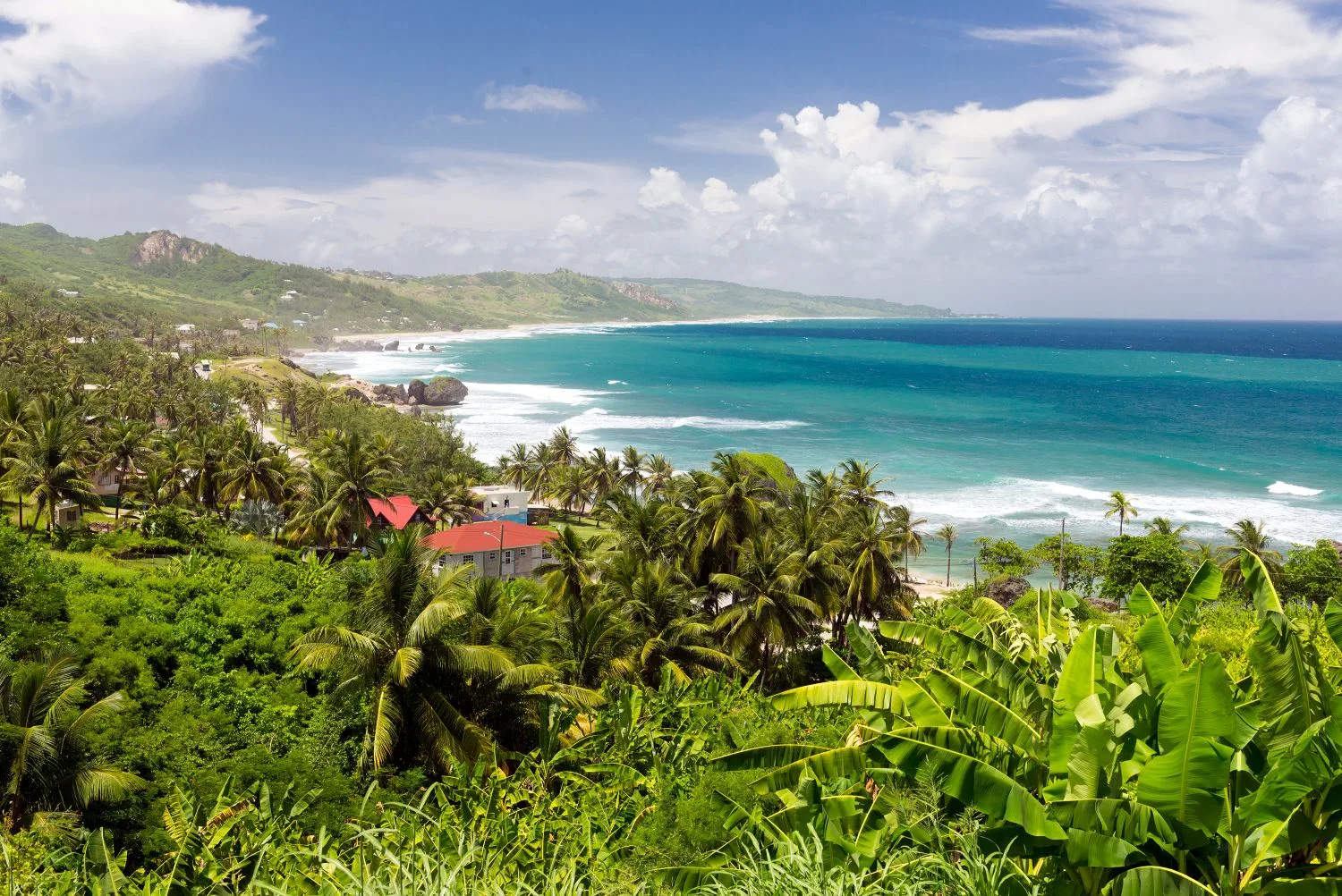
Barbados is the Caribbean at its most comfortable: drinkable tap water, buses that run, a literacy rate to shame most of Europe, and three centuries of parliamentary habit folded into an island you can drive across in an hour. But comfortable is not bland. The west coast may be all platinum sand and calm turquoise, yet cross to the Atlantic side and the island turns feral — Bathsheba’s boulders and the Soup Bowl break, green hills tumbling into spray.
This is also the birthplace of rum, and the culture never lets you forget it: more than a thousand rum shops dot the parishes, each one part bar, part parliament. Come for the beaches, stay for a Friday night fish fry at Oistins, a Crop Over costume parade, and cricket discussed with theological seriousness.
Highlights
Bathsheba & the Soup Bowl
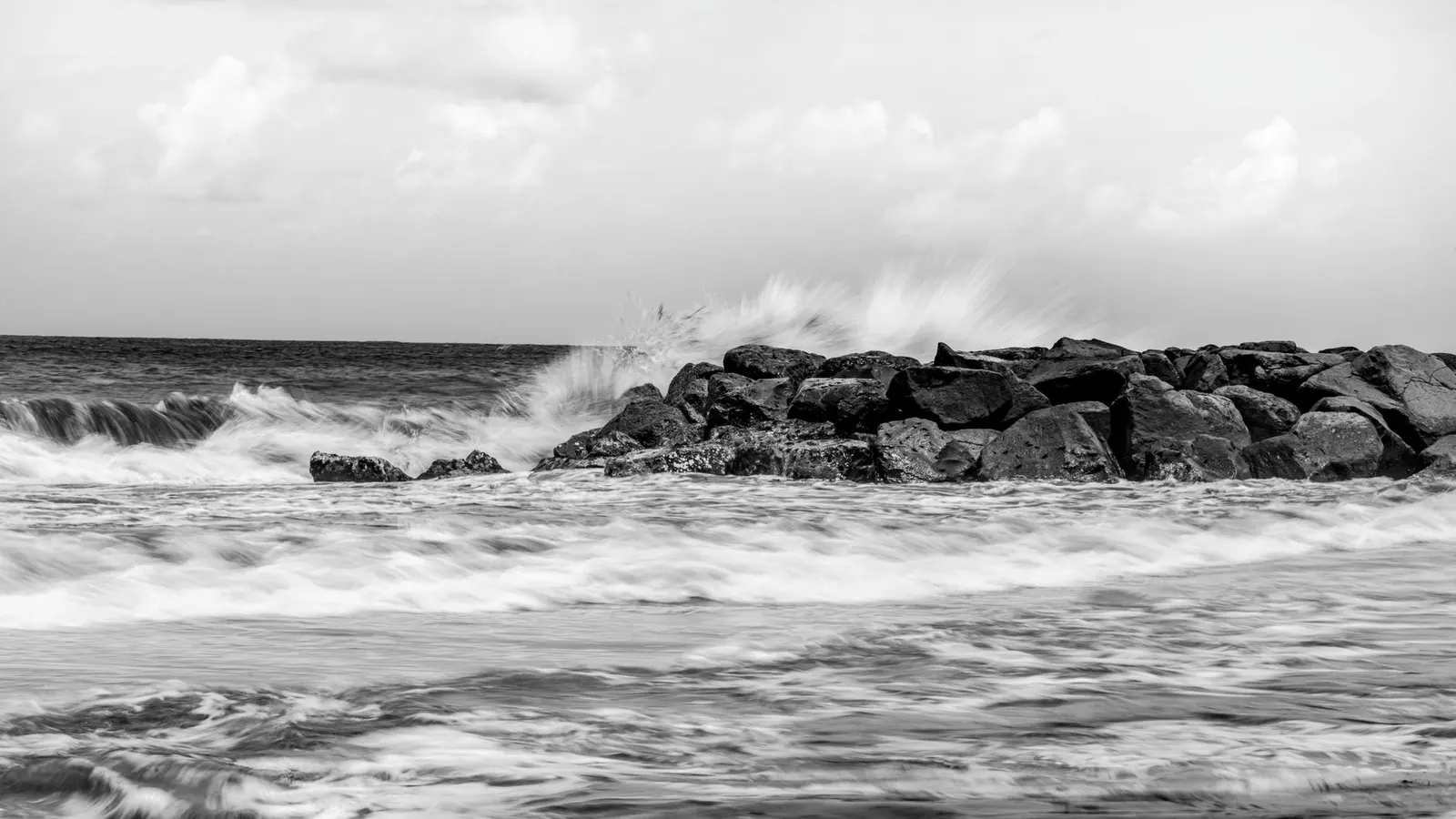
The Atlantic coast at full volume — giant mushroom rocks, rock pools and one of the world’s great reef breaks. Come for sunrise even if you never touch a surfboard.
Oistins Fish Fry
Friday night institution: grilled marlin and flying fish off oil-drum barbecues, rum by the bottle, dominoes slamming and the whole island out in its best.
Carlisle Bay & the platinum coast
Swim with hawksbill turtles over shipwrecks in Bridgetown’s bay, then work north through Paynes Bay and Gibbs — calm, clear, postcard-calibre water.
Historic Bridgetown & the Garrison
UNESCO-listed colonial core with one of the oldest parliaments in the Commonwealth, George Washington’s only overseas address, and Garrison Savannah race days.
Entry requirements for Barbados
Checking your passport…
We don't hold entry details for this passport group yet.
Before you fly
The detail
- Passport validity
- Most destinations want validity beyond your stay, and some want six months. Check yours against the return date.
- Onward travel
- Airlines may ask for a return or onward ticket at check-in.
- Health
- Tap water is safe everywhere — coral-filtered and a point of national pride. No mandatory vaccinations; dengue appears in wet-season spikes, so pack repellent. The QEH hospital in Bridgetown is among the region’s best public facilities, and pharmacies are well stocked. Manchineel trees on some beaches are marked — do not shelter under them in rain.
- Money
- The Barbadian dollar is pegged at 2:1 to the US dollar; US dollars are accepted nearly everywhere at that fixed rate, with change in BBD. Cards work almost universally, contactless included — Barbados is the least cash-dependent island in the region. Keep small BBD notes for buses, rum shops and fish-fry stalls.
When to go
BestDec–Apr. AvoidSeptember.
Dry season in full swing — breezy, 29 °C, big-name jazz and food events.
The band above each month is our editorial verdict - it weighs crowds, prices and access as well as weather. The line is average daily temperature, the bars are monthly rainfall. Select a month for the figures. Climate figures: ERA5 reanalysis via Open-Meteo, 2005–2024 normals.
What it costs
A day in Barbados
Comfortable · sample day
≈ $151
Line items are real prices we track. The daily budget is an editorial estimate for this level, not their sum.
Where this sits among 244 countries we have costed
High season (mid-December–April) lifts west- and south-coast room rates 30–50 %, with Christmas–New Year the extreme. Crop Over (July–early August) creates a secondary spike around Bridgetown and the south. September–October delivers the deepest discounts — 30–40 % off — at the price of the wettest skies. Buses, food and rum stay flat year-round.
Updated Aug 2026 · Editorial synthesis — Budget Your Trip, Barbados hotel-rate surveys, Transport Board and attraction price lists (2025–2026) · confidence medium
Excludes international flights - they depend on where you fly from.
Regions to know
5The south coast
The value-and-nightlife strip: Oistins’ Friday fish fry, St Lawrence Gap bars, Miami Beach and Accra — lively water, walkable evenings.
The platinum west coast
Holetown and Speightstown front the island’s calmest, clearest sea — luxury hotels, turtle swims and sunsets that earn the rates.
The Atlantic east
Bathsheba, the Soup Bowl and the rolling Scotland District — wild, sparsely settled and the most beautiful drive on the island.
Bridgetown & the Garrison
UNESCO capital: Parliament, the Careenage, Pelican Village craft market and Garrison Savannah — plus Carlisle Bay’s wreck snorkelling.
The interior parishes
Harrison’s Cave, Hunte’s Gardens, Welchman Hall Gully and hilltop plantation houses — green Barbados, ten minutes from any beach.
Practical guide
Getting there
Grantley Adams International (BGI) is one of the best-connected airports in the eastern Caribbean: year-round directs from London (BA, Virgin), seasonal Frankfurt links, and dense US and Canadian schedules. From Central Europe one stop via London is the standard routing — about 13 hours door to door. BGI also hubs regional flights to the Grenadines, Dominica and beyond.
Getting around
The blue Transport Board buses and private ZR vans reach every parish for a flat BBD 3.50 — the island is genuinely doable without a car. Rent one for a day or two to do the east coast and the interior properly. Taxis are unmetered with standard route fares; confirm before riding. Driving is on the left.
Money & costs
The Barbadian dollar is pegged at 2:1 to the US dollar; US dollars are accepted nearly everywhere at that fixed rate, with change in BBD. Cards work almost universally, contactless included — Barbados is the least cash-dependent island in the region. Keep small BBD notes for buses, rum shops and fish-fry stalls.
Safety
Little to flag beyond standard precautions: lock the rental car, avoid deserted beaches after dark, and watch the Atlantic — east- and south-east-coast currents are dangerous, and most incidents happen where there are no lifeguards. Swim the west and south coasts unless you are a strong, informed surfer.
Health
Tap water is safe everywhere — coral-filtered and a point of national pride. No mandatory vaccinations; dengue appears in wet-season spikes, so pack repellent. The QEH hospital in Bridgetown is among the region’s best public facilities, and pharmacies are well stocked. Manchineel trees on some beaches are marked — do not shelter under them in rain.
SIM & internet
Flow and Digicel both run solid LTE island-wide; prepaid tourist SIMs cost €15–25 and eSIMs activate before landing. Hotel and café wifi is dependable by regional standards — Barbados courts remote workers with its 12-month Welcome Stamp, and the infrastructure mostly lives up to it.
Driving
The ABC Highway (80 km/h) skirts the island’s spine; everywhere else is narrow parish lanes with blind corners and confident ZR vans. Roundabouts are everywhere — give way to the right.
Rules change - verify with an official source before you rent.
ExplWorld VerifiedNo verified partners here yet - all 6 country seats are open.
Become ExplWorld Verified →Itineraries through this country
From the Journal
Before you go
BarbadosFrequently asked questions
Is Barbados safe?
One of the safest islands in the region, with strong institutions and visible policing. Petty theft is the realistic concern — beach bags and unlocked cars. Standard sense after dark in Bridgetown and the St Lawrence Gap nightlife strip covers it.
When is the best time to visit?
December to April for classic dry-season weather. Barbados sits south of most hurricane tracks and takes direct hits rarely, but June–November is still the wet season — September and October are the dampest, quietest months. Crop Over (July to early August) is the cultural high point.
How much does a day in Barbados cost?
Around €140 / $160 per day mid-range: €75–90 for your half of a double, €35–40 food (rum shops and cutters keep it honest), the rest buses, activities and rum. Budget travellers using Transport Board buses and self-catering can manage €60–70.