 Pedro Ramos · Pexels License
“Half a continent in one country — beach, jungle, wetland and the world's best party.”
Brazil is bigger than the contiguous United States and behaves like it: the Amazon alone is larger than Western Europe, and Rio to the Lençóis Maranhenses dunes is a four-hour flight. First-timers who try to "do Brazil" do airports instead. Pick a region — Rio and its emerald coast, the wildlife-stuffed Pantanal, the Afro-Brazilian Northeast — and let the rest justify the return trip.
What unites the regions is a talent for public joy: beach life as civic institution, samba and forró spilling out of bars on a Tuesday, Carnival as a national reset button. It is friendlier than its crime statistics suggest and vaster than any itinerary survives contact with. Portuguese, not Spanish — even ten words change everything.
Highlights
Rio de Janeiro
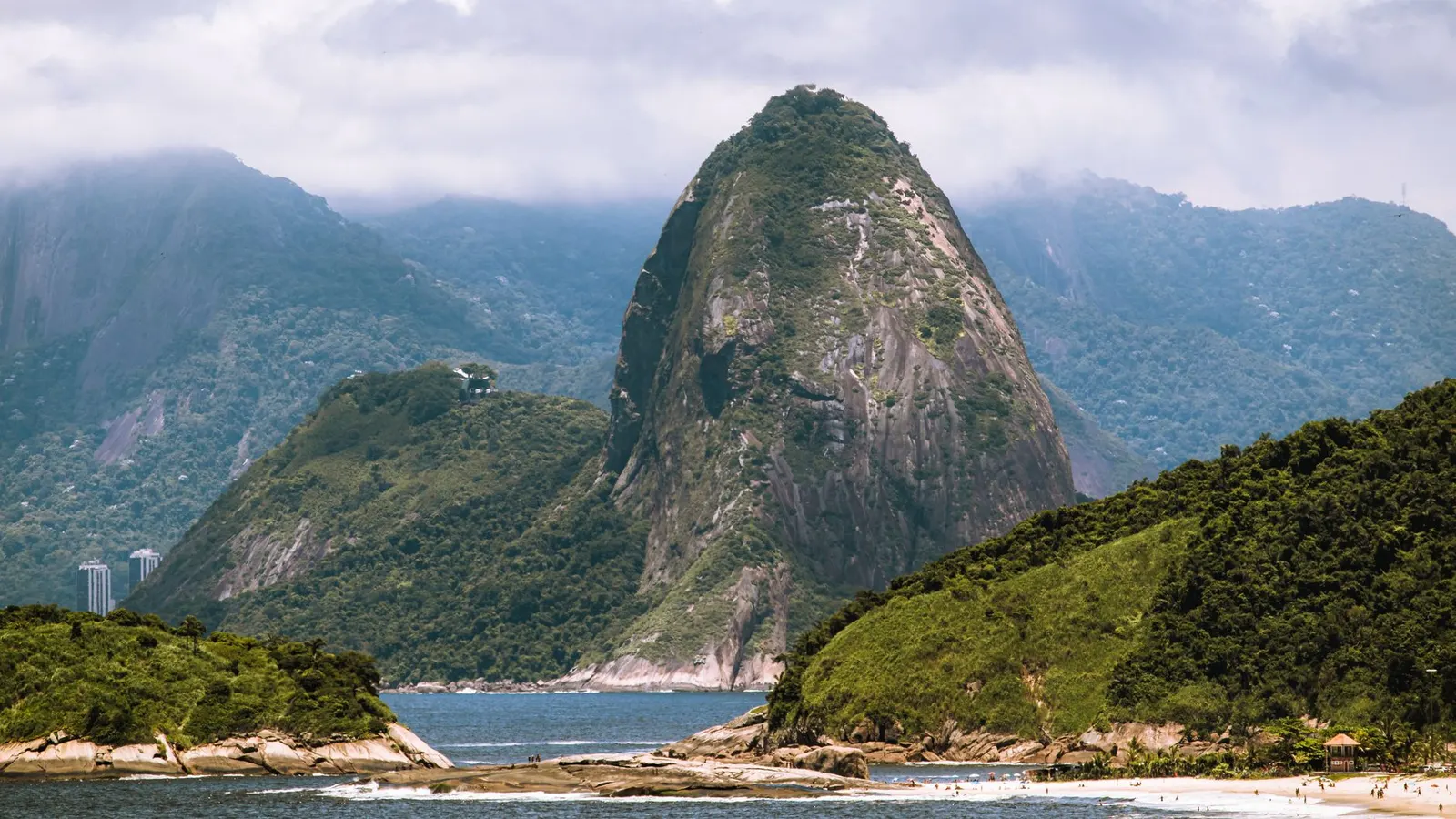
The most dramatically sited big city on Earth — granite domes above Ipanema, the cog train up Corcovado, and sunset applause at Arpoador. Give it four days minimum.
Pantanal wildlife
The world's largest wetland out-safaris the Amazon: jaguars on riverbanks around Porto Jofre (July–September), plus giant otters, hyacinth macaws and caiman beyond counting.
Lençóis Maranhenses
A 1,500 km² field of white dunes that fills with turquoise rain-fed lagoons from June to September — swim between them at sunset and question the physics.
Salvador da Bahia
The Afro-Brazilian capital: pastel Pelourinho, drum parades, capoeira circles and moqueca stew — the country's cultural deep end.
Entry requirements for Brazil
Checking your passport…
We don't hold entry details for this passport group yet.
Before you fly
The detail
- Passport validity
- Most destinations want validity beyond your stay, and some want six months. Check yours against the return date.
- Onward travel
- Airlines may ask for a return or onward ticket at check-in.
- Health
- Yellow fever vaccination is recommended for most of the country including Iguaçu, the Pantanal and the Amazon — get it 10+ days before travel. Dengue is the realistic urban risk: repellent morning and evening, especially December–May. Tap water varies; Brazilians filter it, so do the same. Public emergency care (SUS) treats anyone, but private hospitals plus insurance are the practical route. Rio summer heat indexes above 45 °C deserve respect.
- Money
- The real (BRL). Cards and contactless work almost everywhere, including beach vendors with machines; Pix (instant transfer) has made cash rare among Brazilians, though foreigners without a Brazilian account still want some notes for markets and remote areas. ATMs from Banco do Brasil and Bradesco accept foreign cards — use ones inside bank lobbies. Tipping: 10 % service is usually already on the bill.
What changed
When to go
BestJan–Mar, May–Sep.
High summer — packed beaches, afternoon storms, peak prices on the coast.
The band above each month is our editorial verdict - it weighs crowds, prices and access as well as weather. The line is average daily temperature, the bars are monthly rainfall. Select a month for the figures. Climate figures: ERA5 reanalysis via Open-Meteo, 2005–2024 normals.
What it costs
A day in Brazil
Comfortable · sample day
≈ $76
Line items are real prices we track. The daily budget is an editorial estimate for this level, not their sum.
Where this sits among 244 countries we have costed
Coastal accommodation doubles or worse between Christmas and Carnival — a €40 Rio pousada room runs €100+ during Carnival week with multi-night minimums. The Pantanal inverts the logic: lodges charge peak rates in the dry July–September jaguar window. The May–June and August–September shoulders combine dry weather with normal prices; the interior and the South barely swing at all.
Updated Aug 2026 · Editorial synthesis — Budget Your Trip, published flight/bus fares, Brazilian cost-of-living guides (2025–2026) · confidence medium
Excludes international flights - they depend on where you fly from.
Regions to know
5Rio & the Costa Verde
The city, then the emerald coast south: colonial Paraty, car-free Ilha Grande and the beach road between — Brazil's best single week.
The Northeast
Salvador's Afro-Brazilian heart, dune-and-lagoon country at Lençóis Maranhenses, kite-surf villages like Jericoacoara — warm sea all year.
Pantanal & the Center-West
Jaguars at Porto Jofre, snorkelling crystal rivers at Bonito, red-rock hikes in Chapada dos Guimarães — the wildlife axis.
The Amazon
Manaus, the meeting of the waters and river lodges days from a road — go in the June–November drier season for trails, or high water for canoe forests.
São Paulo & the South
The hemisphere's food capital, Iguaçu's thundering falls, German-toned Curitiba and the surf island of Florianópolis.
Practical guide
Getting there
São Paulo (GRU) and Rio (GIG) have direct flights from Lisbon, Madrid, Paris, London and Frankfurt — Lisbon is the classic Central-European connection, 14–16 hours door to door. Regional gateways (Salvador, Recife, Fortaleza) get seasonal European directs. Overland arrivals matter mainly at Foz do Iguaçu (Argentina) — one of the world's great border crossings.
Getting around
Fly — distances make it non-optional. LATAM, GOL and Azul cover an enormous domestic network from €45 booked ahead; Azul reaches the small-town airstrips. Intercity buses are excellent (leito class reclines flat) but slow: Rio–Salvador is 28 hours. In cities, Uber and 99 are cheap, ubiquitous and the default safety choice. Skip car hire in the metros; consider it for the South and the Northeast coast.
Money & costs
The real (BRL). Cards and contactless work almost everywhere, including beach vendors with machines; Pix (instant transfer) has made cash rare among Brazilians, though foreigners without a Brazilian account still want some notes for markets and remote areas. ATMs from Banco do Brasil and Bradesco accept foreign cards — use ones inside bank lobbies. Tipping: 10 % service is usually already on the bill.
Safety
Concentrated, not uniform: most violent crime clusters in specific urban zones tourists can avoid. The playbook — phone off the street, no jewellery, Uber at night, beach valuables to a minimum (sand theft is the classic Rio loss), and follow local advice on which stretches empty after dark. Buzios-style resort towns, the Pantanal and the South run at a different, calmer frequency. Emergency number 190.
Health
Yellow fever vaccination is recommended for most of the country including Iguaçu, the Pantanal and the Amazon — get it 10+ days before travel. Dengue is the realistic urban risk: repellent morning and evening, especially December–May. Tap water varies; Brazilians filter it, so do the same. Public emergency care (SUS) treats anyone, but private hospitals plus insurance are the practical route. Rio summer heat indexes above 45 °C deserve respect.
SIM & internet
Vivo has the widest coverage, TIM and Claro compete hard; tourist eSIMs are the easy route since physical SIM registration wants a CPF number in many stores. 4G/5G blankets the cities and the coast; the Amazon and Pantanal drop to lodge wifi and Starlink. WhatsApp is the national operating system — restaurants, guides and pousadas all book through it.
Driving
Speed cameras (lombadas eletrônicas) are everywhere and radar-enforced limits change abruptly. Avoid driving in São Paulo and Rio themselves; the coastal roads (Rio–Paraty, the Serra do Rio do Rastro) are the reward.
Rules change - verify with an official source before you rent.
ExplWorld VerifiedNo verified partners here yet - all 6 country seats are open.
Become ExplWorld Verified →Itineraries through this country
From the Journal
Before you go
BrazilFrequently asked questions
Is Brazil safe for travellers?
Manageable with city sense. In Rio and Salvador keep phones off the street, carry a decoy wallet, use Uber (ubiquitous and cheap) after dark and stick to the main beach zones. Never enter favelas without a resident guide. The Pantanal, the South and inland towns feel dramatically more relaxed than the metros.
When is the best time to visit?
May to September is the country's best all-round window: dry season in the Pantanal (jaguar peak July–September), lagoon season in the Lençóis, and mild 25 °C days in Rio. December to March is beach-and-Carnival summer — hotter, wetter, pricier and louder, which is partly the point.
How much does a day in Brazil cost?
Around €70 per day mid-range; backpackers manage on €35 using dorms (~€10), prato feito lunches (~€4) and buses. The wildlife set pieces are the exception — Pantanal jaguar lodges run €150–300 per day. Domestic flights from €45 booked early are usually worth it over 20-hour buses.