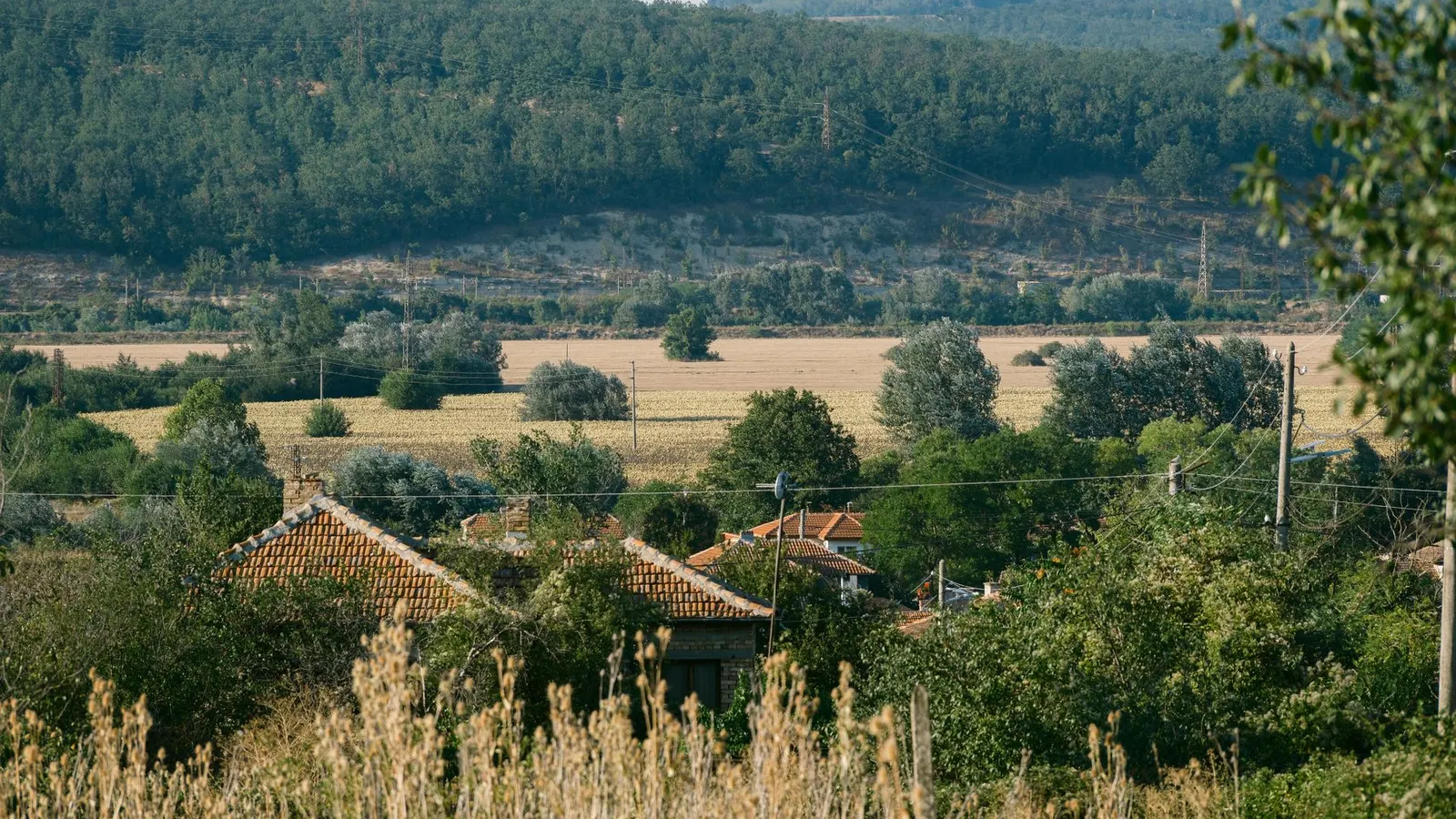
 Ramon Karolan · Pexels License
Bulgaria
“Thracian gold, Rila monastery and mountains that cover a third of the country.”
Bulgaria is a third mountain and holds more archaeological gold than almost anywhere — the Varna necropolis produced the oldest worked gold in the world, from around 4,500 BC, and Thracian tombs are scattered across the centre of the country. Rila monastery, with its striped arcades in a mountain valley, is the single most visited thing here and deserves it.
The rest divides between the Black Sea coast, which is a package-holiday market with genuinely good stretches at either end, and the mountains — Rila, Pirin and the Rhodopes — with marked trails, cheap huts and the least expensive skiing in Europe. Sofia is unglamorous and improving, Plovdiv is one of the oldest continuously inhabited cities on the continent, and prices remain the lowest in the EU.
Highlights
Rila Monastery
A tenth-century foundation rebuilt in the 1830s, with black-and-white striped arcades and a fully frescoed exterior, in a forested valley two hours from Sofia. Stay overnight in a cell if you can.
Plovdiv
Eight thousand years of continuous habitation, a Roman theatre still used for concerts, and a nineteenth-century revival quarter of painted merchant houses on the hill.
The Rhodope mountains
Soft forested ranges along the Greek border with the Trigrad and Yagodina gorges, bagpipe traditions and villages where the roads run out. The Devil's Throat cave swallows a river whole.
The Thracian tombs
Kazanlak and Sveshtari, both UNESCO-listed, with painted burial chambers from the fourth century BC — and the Valley of the Roses around them, harvested for attar each June.
Entry requirements for Bulgaria
Checking your passport…
We don't hold entry details for this passport group yet.
Before you fly
The detail
- Passport validity
- Most destinations want validity beyond your stay, and some want six months. Check yours against the return date.
- Onward travel
- Airlines may ask for a return or onward ticket at check-in.
- Health
- No vaccinations required. Healthcare is uneven; private clinics in Sofia are good and cheap. EHIC/GHIC covers EU and UK visitors for state care. Tick-borne encephalitis is present in forests. Tap water is safe in cities. Mountain huts are basic and self-sufficiency matters on the higher routes.
- Money
- Lev, pegged to the euro. Cards are widely accepted in cities and less so in villages and mountain huts — carry cash outside the towns. ATMs are common; the independent ones charge heavily. Tipping is around 10 %. Note that shaking the head means yes and nodding means no, which catches people out constantly.
When to go
BestMay–Jun, September. AvoidNovember.
The best month — warm, green, and rose harvest late in the month.
The band above each month is our editorial verdict - it weighs crowds, prices and access as well as weather. The line is average daily temperature, the bars are monthly rainfall. Select a month for the figures. Climate figures: ERA5 reanalysis via Open-Meteo, 2005–2024 normals.
What it costs
A day in Bulgaria
Comfortable · sample day
≈ $59
Line items are real prices we track. The daily budget is an editorial estimate for this level, not their sum.
Where this sits among 244 countries we have costed
The Black Sea coast is the sharp seasonal market — accommodation doubles in July and August and most of it closes from October to May. Bansko and Borovets peak from January to March. Sofia, Plovdiv and the interior barely move. Bulgaria is the cheapest country in the EU in every season.
Updated Aug 2026 · Editorial synthesis — Bulgarian statistical office price data, resort lift-pass tariffs, accommodation sampling (2025–2026) · confidence high
Excludes international flights - they depend on where you fly from.
Regions to know
5Sofia & the west
The capital under Vitosha mountain, Rila monastery, and the Boyana church with its thirteenth-century frescoes.
The Rila & Pirin mountains
The Seven Rila Lakes, Bansko's skiing, Pirin national park and the marked hut-to-hut routes across both.
The Rhodopes
Forested ranges along the Greek border with gorges, caves, bagpipe traditions and remote villages.
The centre & Plovdiv
Plovdiv's Roman and revival layers, Veliko Tarnovo's fortress, the Valley of the Roses and the Thracian tombs.
The Black Sea coast
Nesebar and Sozopol's old towns, the big resorts between them, and the quieter far south at Sinemorets.
Practical guide
Getting there
Sofia (SOF) is the main hub with dense low-cost service; Burgas and Varna take heavy seasonal charters for the coast, and Plovdiv has limited flights. Trains link to Bucharest, Belgrade and Istanbul, though they are slow. Buses are the practical overland option across the Balkans.
Getting around
Buses are faster and more frequent than the trains and cover everywhere. The rail network is slow but scenic, particularly the narrow-gauge Septemvri to Dobrinishte line through the Rhodopes. A car is genuinely useful for the mountains and the smaller monasteries. Sofia has a metro; other cities rely on trams and minibuses.
Money & costs
Lev, pegged to the euro. Cards are widely accepted in cities and less so in villages and mountain huts — carry cash outside the towns. ATMs are common; the independent ones charge heavily. Tipping is around 10 %. Note that shaking the head means yes and nodding means no, which catches people out constantly.
Safety
Safe, with pickpocketing in Sofia and taxi overcharging at the airport and stations the main risks — use apps or the official ranks. Stray dogs are common. Mountain weather is the genuine hazard, and Bulgarian mountain rescue is competent but stretched. Road conditions vary sharply outside the main corridors.
Health
No vaccinations required. Healthcare is uneven; private clinics in Sofia are good and cheap. EHIC/GHIC covers EU and UK visitors for state care. Tick-borne encephalitis is present in forests. Tap water is safe in cities. Mountain huts are basic and self-sufficiency matters on the higher routes.
SIM & internet
EU roaming applies. Mobile data is fast and cheap with good coverage, including in most mountain valleys. Free wifi is widespread.
Driving
The vignette covers all national roads, not just motorways. Road quality drops sharply off the main corridors, and mountain roads in the Rhodopes and Balkan range are narrow and slow. Winter tyres are required from mid-November to the end of February.
Rules change - verify with an official source before you rent.
ExplWorld VerifiedNo verified partners here yet - all 6 country seats are open.
Become ExplWorld Verified →Itineraries through this country
From the Journal
Before you go
BulgariaFrequently asked questions
Is it as cheap as people say?
Yes — the cheapest country in the EU by most measures. A restaurant main runs €7–10, a beer €2, a mid-range hotel €50, a full-day ski pass around €50 against €70+ in the Alps. Sofia and the coast in season are the expensive ends and still undercut most of Europe.
Is the Black Sea coast worth it?
In parts. Sunny Beach and Golden Sands are large package resorts with a reputation for cheap nightlife; Sozopol, Nesebar and the far south around Sinemorets are much better. The season is short — July and August are hot and full, June and September are the sweet spot.
When does the euro arrive?
Bulgaria has been preparing to adopt the euro and the target date has moved several times. Until it happens, the lev is the currency and it is pegged to the euro at a fixed rate, so conversion is predictable. Check the current status before travelling if it matters to you.