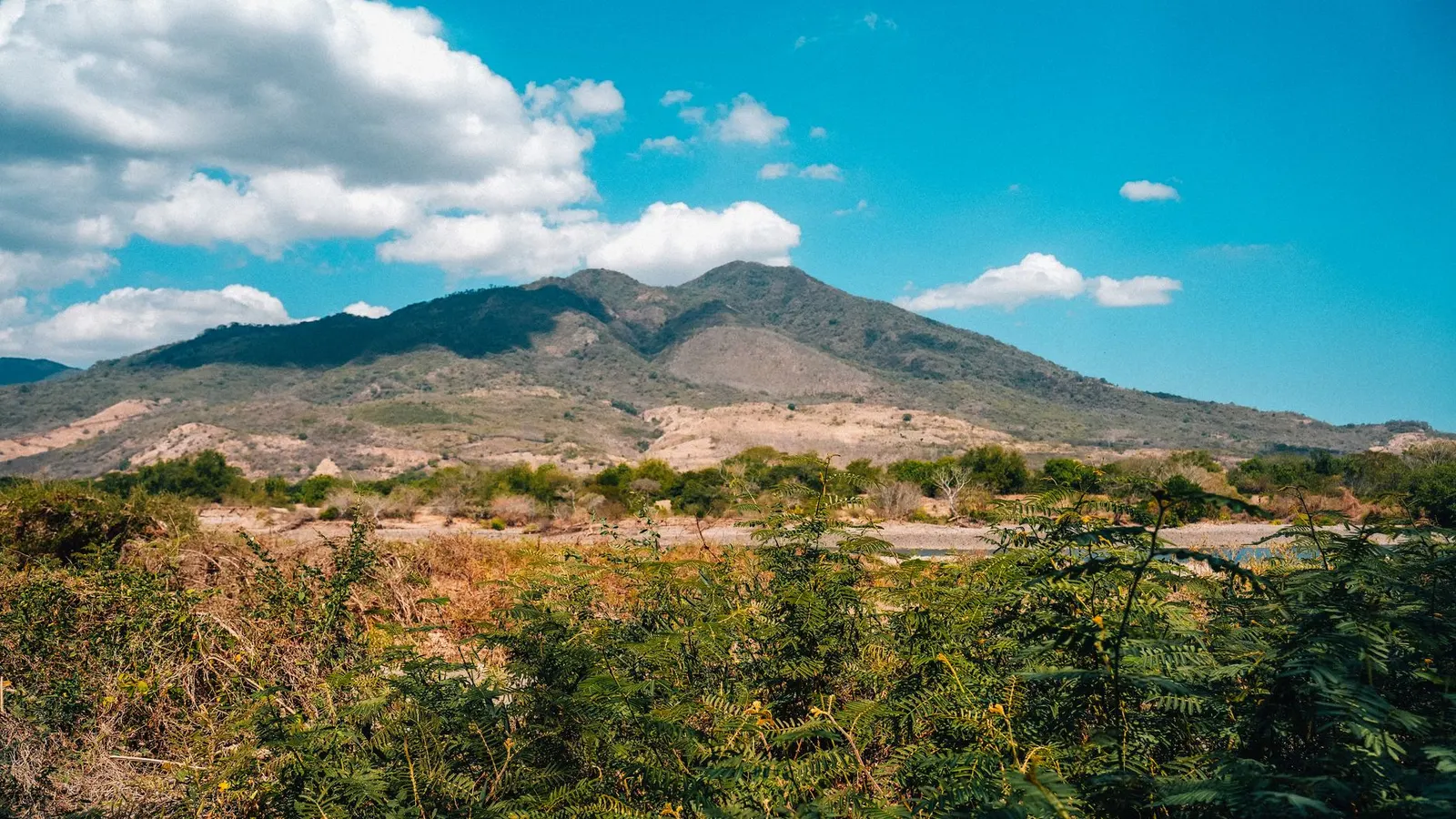
 Tony Rojas · Pexels License
El Salvador
“The comeback nobody predicted — volcano hikes, world-class surf and pupusas for pocket change.”
For decades El Salvador was the country travellers skipped — the gang-violence statistics wrote the itinerary. Since the 2022 state of exception, the homicide rate has collapsed to among the lowest in the Americas, and a country that was always beautiful is suddenly visitable: consistent year-round surf at El Tunco and Punta Roca, the emerald crater of Santa Ana volcano, and the flower-and-coffee villages of the Ruta de las Flores.
It is also the easiest country in the region to travel: US dollars in your pocket, distances so short nothing is more than three hours away, and prices that undercut everywhere except Nicaragua. The security turnaround has real human-rights costs that Salvadorans debate daily — travellers should arrive informed, not naive — but on the ground the change is unmistakable.
Highlights
Santa Ana volcano (Ilamatepec)
A two-hour hike to a summit crater filled with an unreal turquoise lake, with Izalco’s black cone and Lago de Coatepeque spread below.
El Tunco & the Surf City coast
Warm-water rights breaking almost every day of the year — Punta Roca is world-championship calibre, La Bocana and Sunzal forgive beginners.
Ruta de las Flores
A 36 km road through coffee towns — Juayúa’s weekend food festival, Ataco’s murals, Apaneca’s ridgetop cafés — at its best in the November–February bloom.
Suchitoto
The colonial town the war emptied and artists refilled: cobbles, indigo workshops, and boat trips on Lake Suchitlán’s bird-covered islands.
Entry requirements for El Salvador
Checking your passport…
We don't hold entry details for this passport group yet.
Before you fly
The detail
- Passport validity
- Most destinations want validity beyond your stay, and some want six months. Check yours against the return date.
- Onward travel
- Airlines may ask for a return or onward ticket at check-in.
- Health
- No mandatory vaccinations; hepatitis A and typhoid are the standard recommendations. Dengue surges in the wet season — repellent from May onward. Drink bottled or filtered water everywhere. San Salvador’s private hospitals are good and cheap by European standards; pharmacies are on every corner and dispense most things without prescription.
- Money
- The US dollar has been the currency since 2001 — bring small bills, because breaking a $20 at a pupusería is a diplomatic negotiation. Bitcoin’s legal-tender experiment has faded from daily life; outside Bitcoin Beach (El Zonte) nobody expects it. Cards work in malls, hotels and better restaurants; the street economy is cash. ATMs are plentiful in towns and dispense US dollars.
When to go
BestNov–Apr.
Dry, clear, festival season on the Ruta de las Flores.
The band above each month is our editorial verdict - it weighs crowds, prices and access as well as weather. The line is average daily temperature, the bars are monthly rainfall. Select a month for the figures. Climate figures: ERA5 reanalysis via Open-Meteo, 2005–2024 normals.
What it costs
A day in El Salvador
Comfortable · sample day
≈ $59
Line items are real prices we track. The daily budget is an editorial estimate for this level, not their sum.
Where this sits among 244 countries we have costed
Prices barely move with the seasons — the dry-season (Nov–Apr) bump on coastal rooms is 10–20 % at most, with Semana Santa the one real spike. The green season (May–Oct) is peak surf, so El Tunco and El Zonte hold their rates when the rest of the region discounts. Dollarisation keeps everything slightly above Guatemala and Nicaragua.
Updated Aug 2026 · Editorial synthesis — Budget Your Trip, hostel and tour operator price lists, regional backpacker cost guides (2025–2026) · confidence medium
Excludes international flights - they depend on where you fly from.
Regions to know
5Surf City — La Libertad coast
El Tunco, El Zonte and Punta Roca: warm right-handers, beach bars and the region’s best-value surf camps, 45 minutes from the airport.
Ruta de las Flores
Juayúa, Apaneca, Ataco — coffee towns strung along a volcanic ridge, with weekend food festivals and waterfalls between them.
Santa Ana & Lago de Coatepeque
The country’s second city is the base for the Santa Ana volcano hike and the blue crater lake where Salvadorans weekend.
San Salvador
A capital rediscovering itself — the rebuilt Centro Histórico, the national theatre, and pupusas at Los Planes viewpoint above the city.
Suchitoto & the north
Colonial cobbles, indigo dye workshops and Lake Suchitlán birdlife — the artistic counterweight to the surf coast.
Practical guide
Getting there
San Salvador (SAL) is an Avianca hub with direct flights across the Americas; from Europe, Iberia flies direct from Madrid, or connect via US hubs (a US transit ESTA is needed for those routings — many Europeans route via Madrid or Bogotá to avoid it). Overland, comfortable international coaches link Guatemala City (4–5 h) and Tegucigalpa, and the Guatemala border crossings are straightforward CA-4 formalities.
Getting around
Nothing in the country is more than about three hours from the capital. Chicken buses go everywhere for under a euro an hour — the routes are numbered and locals will hand-deliver you to the right one. Uber works well in San Salvador and to the surf coast (€25–30 airport–El Tunco). Rental cars are cheap and the roads are among the region’s best; tourist shuttles link El Tunco with Antigua and León daily.
Money & costs
The US dollar has been the currency since 2001 — bring small bills, because breaking a $20 at a pupusería is a diplomatic negotiation. Bitcoin’s legal-tender experiment has faded from daily life; outside Bitcoin Beach (El Zonte) nobody expects it. Cards work in malls, hotels and better restaurants; the street economy is cash. ATMs are plentiful in towns and dispense US dollars.
Safety
The transformation is real: extortion and street crime have fallen to lows nobody thought possible. Practicalities that remain: carry ID (photocopy plus phone photo of the entry stamp works day-to-day, passport for road checkpoints), avoid photographing police, military or prison infrastructure, and treat any lingering gang-related conversation topics as absolutely off-limits. Ocean risk is real — surf breaks have rocks and rips; ask locals.
Health
No mandatory vaccinations; hepatitis A and typhoid are the standard recommendations. Dengue surges in the wet season — repellent from May onward. Drink bottled or filtered water everywhere. San Salvador’s private hospitals are good and cheap by European standards; pharmacies are on every corner and dispense most things without prescription.
SIM & internet
Tigo and Claro split the market; a prepaid SIM with 10–15 GB costs €8–10 (passport needed to register). Coverage is excellent — this is a small, densely networked country — and El Tunco’s cafés all run fibre for the digital-surf crowd. eSIMs from the usual providers work fine.
Driving
Road quality is the best in the CA-4 — the coastal highway (CA-2) and the Pan-American are fast and well surfaced. Police checkpoints are routine and polite; hand over licence and passport, expect two minutes, never offer money.
Rules change - verify with an official source before you rent.
ExplWorld VerifiedNo verified partners here yet - all 6 country seats are open.
Become ExplWorld Verified →Itineraries through this country
From the Journal
Before you go
El SalvadorFrequently asked questions
Is El Salvador safe now?
Statistically it is now one of the safest countries in the Americas — the 2022 crackdown collapsed gang violence, and travellers report feeling safer than in much of the region. Use normal city sense in San Salvador at night, carry your passport (police checks happen), and skip political demonstrations. Be aware the security model is controversial at home; keep opinions for private conversations.
When is the best time to visit El Salvador?
November to April is the dry season — clear volcano summits, festival season on the Ruta de las Flores, and glassy morning surf. May to October is green and wet in the afternoons, but this is when the Pacific swell peaks: surfers deliberately come in the rainy months. September and October are the wettest and quietest.
How much does a day in El Salvador cost?
Around €55 ($59) per day mid-range: €25–30 for your half of a double room, €12–15 for food (pupusas make dinner cost €2), the rest for transport and a tour. Backpackers manage on €30 ($32) — it is one of the cheapest surf destinations on Earth, though dollarisation keeps it slightly above Nicaragua or Guatemala.