 K · Pexels License
Gambia
“A river with a country around it — the smallest state on mainland Africa.”
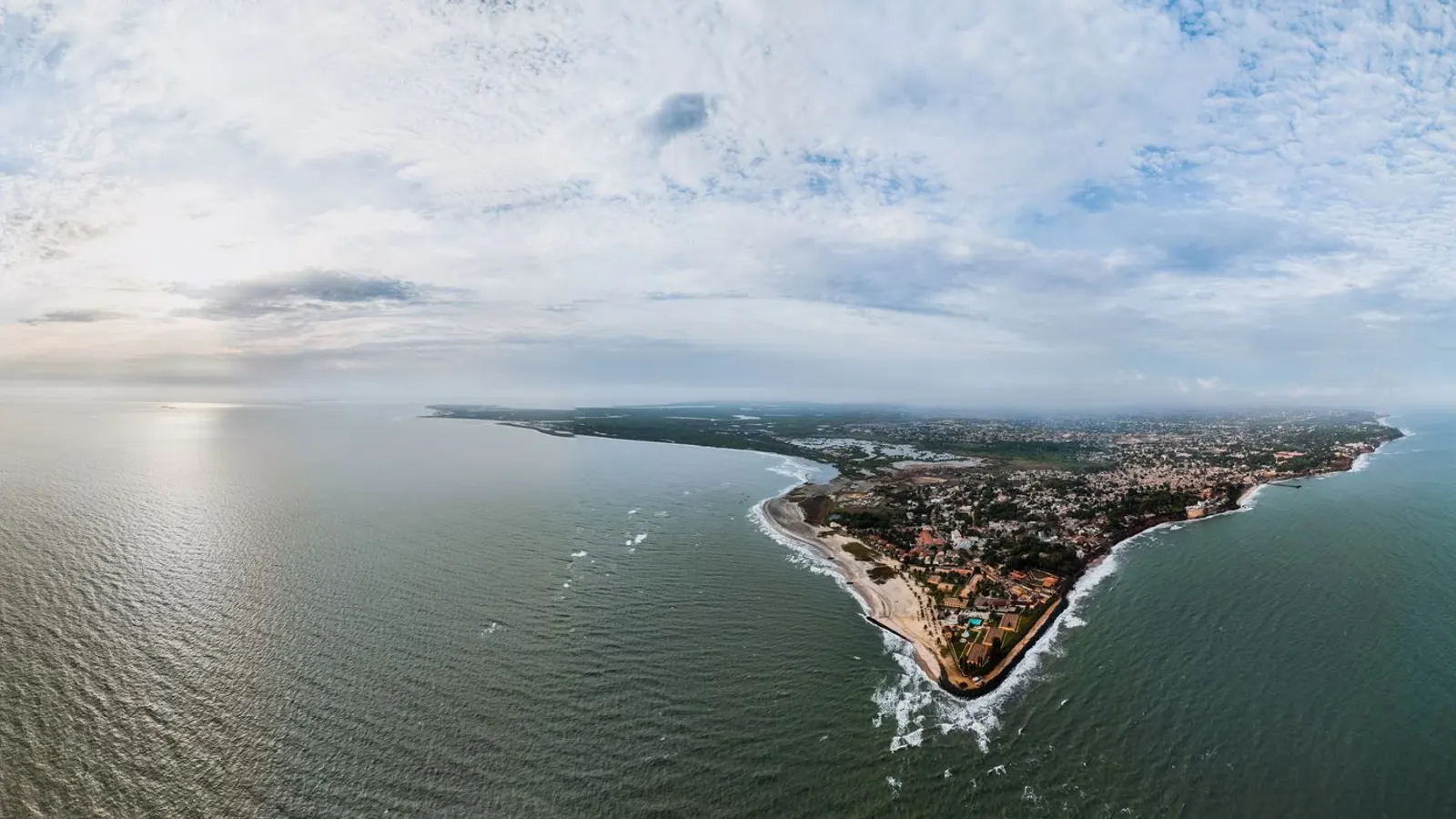
The Gambia is essentially the navigable lower reach of the Gambia river plus a strip of land either side, entirely surrounded by Senegal except at the coast. It is the smallest country on mainland Africa and has been a European winter-sun destination since the 1960s, which means charter flights, resort strips at Kololi and Kotu, and an established if uneven tourism economy.
Beyond the beaches it is one of the best birding destinations in West Africa — over 500 species in a country you can drive across in an afternoon — and the river trip upstream to Janjanbureh and Kunta Kinteh Island connects to the Atlantic slave trade in a direct and documented way. English is official, which makes it markedly easier for anglophone visitors than its neighbours.
Highlights
Kunta Kinteh Island
A UNESCO-listed island in the river, formerly James Island, that was a fortified trading post through the Atlantic slave trade and became internationally known through Alex Haley's Roots. Reached by boat from Albreda.
River birding
Over 500 recorded species in a very small country — Abuko nature reserve, the Tanji bird reserve, Kotu creek and the upriver wetlands. Peak season is November to March when Palearctic migrants arrive.
The Atlantic beaches
A continuous strip from Bakau through Kotu and Kololi to Brufut and Sanyang, ranging from package-resort frontage to fishing beaches where the pirogues land the day's catch.
Janjanbureh and the upper river
The old colonial river town on an island 300 kilometres upstream, with the Wassu stone circles nearby and chimpanzee rehabilitation on the River Gambia national park islands.
Entry requirements for Gambia
Checking your passport…
We don't hold entry details for this passport group yet.
Before you fly
The detail
- Passport validity
- Most destinations want validity beyond your stay, and some want six months. Check yours against the return date.
- Onward travel
- Airlines may ask for a return or onward ticket at check-in.
- Health
- Malaria year-round nationwide, worst after the rains. Yellow fever certificate required from endemic countries. Medical facilities are limited; evacuation insurance advisable. Bottled water.
- Money
- The dalasi in cash for nearly everything. ATMs in the coastal area and Banjul; almost none upriver. Cards work at the larger hotels only. Bring euros or pounds to change — both are widely accepted at bureaux.
When to go
BestNov–Mar. AvoidJun–Sep.
Dry, warm days, cool nights — peak season.
The band above each month is our editorial verdict - it weighs crowds, prices and access as well as weather. The line is average daily temperature, the bars are monthly rainfall. Select a month for the figures. Climate figures: ERA5 reanalysis via Open-Meteo, 2005–2024 normals.
What it costs
A day in Gambia
Comfortable · sample day
≈ $63
Line items are real prices we track. The daily budget is an editorial estimate for this level, not their sum.
Where this sits among 244 countries we have costed
Resort rates roughly double from December to February with the European charter season and collapse from June to October when many close entirely.
Updated Aug 2026 · Editorial synthesis — resort and operator rate sampling (2025–2026) · confidence medium
Excludes international flights - they depend on where you fly from.
Regions to know
5The coastal strip
Bakau, Kotu, Kololi and Senegambia — the resort belt, plus Serrekunda's markets inland.
Banjul and the estuary
The small capital on its island, the Albert Market and the ferry across to Barra.
The southern beaches
Brufut, Tanji's fishing beach and bird reserve, Sanyang and Kartong towards the Casamance border.
The lower river
Kunta Kinteh Island, Albreda, Juffureh and the Baobolong wetlands on the north bank.
The upper river
Janjanbureh, the Wassu stone circles, Basse Santa Su and the chimp islands of River Gambia national park.
Practical guide
Getting there
Banjul International takes charter and scheduled flights from the UK, Netherlands, Belgium, Spain and Turkey, plus regional links. Overland from Senegal at several crossings; the Trans-Gambia bridge has made the north–south route quick.
Getting around
Bush taxis and gelly-gelly minibuses cover the country. Green tourist taxis serve the resort strip at fixed rates. River boats run upstream, though scheduled passenger service is limited. The south-bank road is paved most of the way.
Money & costs
The dalasi in cash for nearly everything. ATMs in the coastal area and Banjul; almost none upriver. Cards work at the larger hotels only. Bring euros or pounds to change — both are widely accepted at bureaux.
Safety
Low violent crime. Beach hassle from bumsters is the everyday annoyance. Strong Atlantic currents cause drownings on unpatrolled beaches. Political tension has eased considerably since 2017.
Health
Malaria year-round nationwide, worst after the rains. Yellow fever certificate required from endemic countries. Medical facilities are limited; evacuation insurance advisable. Bottled water.
SIM & internet
Africell, Gamcel, QCell and Comium; SIMs at the airport with passport. 4G along the coast and main road; sparse upriver.
Driving
Right-hand traffic, unlike anglophone neighbours further south. Police checkpoints are frequent. The south-bank road is decent; the north bank is rougher. Do not drive at night.
Rules change - verify with an official source before you rent.
ExplWorld VerifiedNo verified partners here yet - all 6 country seats are open.
Become ExplWorld Verified →Itineraries through this country
From the Journal
Before you go
GambiaFrequently asked questions
What is "bumster" hassle and how do I handle it?
Young men on the tourist beaches who attach themselves to visitors offering guiding, friendship or goods, often persistently. It is a nuisance rather than a danger. A firm, polite and repeated no works; engaging at length does not. Hotels can arrange licensed guides if you want one.
Can I combine it with Senegal?
Yes, and it is natural — the country is inside Senegal. The Trans-Gambia bridge at Farafenni has removed the old ferry bottleneck on the Dakar–Casamance road. You need Senegalese entry as well, which for most Western passports is visa-free.
Is the rainy season worth avoiding?
June to October is hot, humid and wet, many resorts close and upriver roads deteriorate. It is also when the birding shifts to breeding residents and prices collapse. For a first visit, come between November and April.