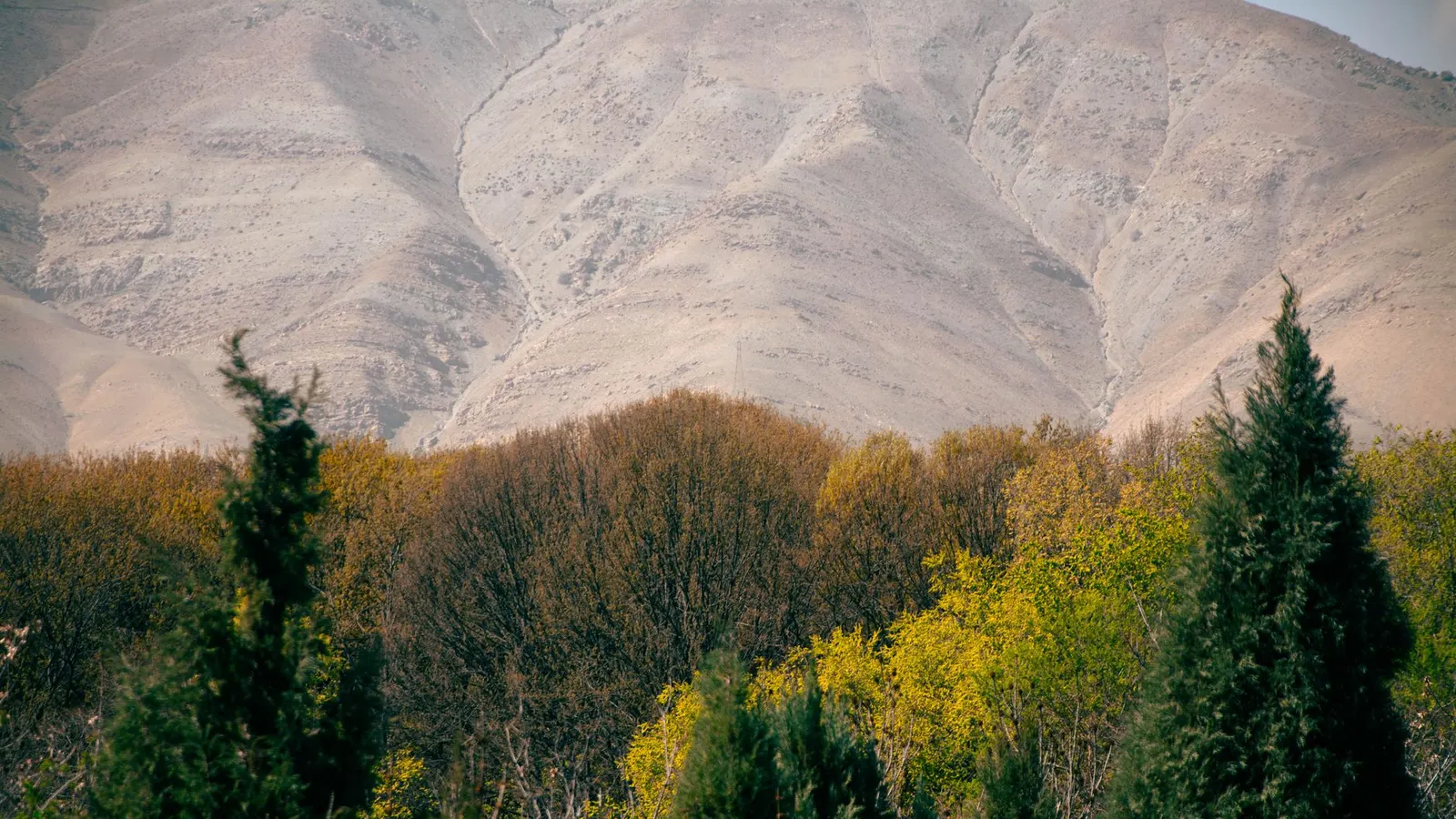
 Mehdi Salehi · Pexels License
Advisory - travel not recommended · checked 5 Aug 2026
Foreign ministries advise against all or all-but-essential travel to Iran. Several governments warn specifically that their dual nationals face a serious risk of arbitrary arrest and detention, and consular access to dual nationals is routinely refused. Standard scores are suspended while this alert is active.
Official advisory →“Persepolis, Isfahan's square and a hospitality tradition that outlasts every government.”
Iran holds some of the finest architecture in the Islamic world — Isfahan's Naqsh-e Jahan square with the Shah and Sheikh Lotfollah mosques, Shiraz's gardens and the Persepolis ruins beyond it, Yazd's desert city of windcatchers, and the mountains and deserts between them. Travellers who go consistently describe the hospitality as unlike anywhere else, and that is not romanticism; it is the most repeated observation about the country.
It is also under advisories that most Western governments have hardened considerably. Several warn specifically that their dual nationals face a serious risk of arbitrary arrest, and that consular access to dual nationals is routinely refused because Iran does not recognise dual citizenship. Anyone holding Iranian citizenship, by descent or otherwise, is in a materially different and higher-risk position than anyone else reading this. That is the first thing to establish before anything else.
Highlights
Isfahan
Naqsh-e Jahan, one of the largest public squares in the world, ringed by the Shah Mosque, Sheikh Lotfollah and the Ali Qapu palace, with the bazaar behind and Safavid bridges over the river.
Persepolis
The Achaemenid ceremonial capital burned by Alexander in 330 BC, with the Apadana staircase reliefs showing tribute delegations from across the empire. An hour from Shiraz.
Yazd
A desert city of mudbrick and windcatchers, UNESCO-listed, with a Zoroastrian fire temple that has burned since around 470 AD and towers of silence on the edge of town.
The Alborz and the deserts
Mount Damavand at 5,610 metres, the Caspian forests on the northern slopes, and the Dasht-e Kavir and Lut deserts, the latter recording some of the highest surface temperatures on earth.
Entry requirements for Iran
Advisory - travel not recommended · checked 5 Aug 2026
Foreign ministries advise against all or all-but-essential travel to Iran. Several governments warn specifically that their dual nationals face a serious risk of arbitrary arrest and detention, and consular access to dual nationals is routinely refused. Standard scores are suspended while this alert is active.
Official advisory →Checking your passport…
We don't hold entry details for this passport group yet.
Before you fly
The detail
- Passport validity
- Most destinations want validity beyond your stay, and some want six months. Check yours against the return date.
- Onward travel
- Airlines may ask for a return or onward ticket at check-in.
- Arrival form
- Visa authorisation code from a sponsoring agency, then the visa itself, plus compulsory Iranian medical insurance bought on arrival if you do not have an accepted policy.
- Health
- Hepatitis A and typhoid are standard advice. Healthcare is reasonable in the cities and Iran has a substantial medical sector, but sanctions have caused shortages of some imported drugs — bring what you rely on. Compulsory medical insurance is an entry requirement. Tap water is drinkable in most cities. Air quality in Tehran in winter is severe.
- Money
- Cash only, in euros or dollars, brought in. Note the currency confusion: prices are commonly quoted in toman, which is ten rial, and the numbers are large either way. Sanctions mean no foreign card works anywhere. Change money at official exchange offices rather than banks, which use a less favourable rate.
When to go
BestMar–May, Sep–Oct. AvoidJul–Aug, Dec–Feb.
Nowruz around 21 March — the country travels and everything fills, but it is extraordinary.
The band above each month is our editorial verdict - it weighs crowds, prices and access as well as weather. The line is average daily temperature, the bars are monthly rainfall. Select a month for the figures. Climate figures: ERA5 reanalysis via Open-Meteo, 2005–2024 normals.
What it costs
A day in Iran
Comfortable · sample day
≈ $49
Line items are real prices we track. The daily budget is an editorial estimate for this level, not their sum.
Where this sits among 244 countries we have costed
Nowruz in late March is the one genuine spike — the whole country travels for two weeks and transport and hotels fill completely. Otherwise pricing is stable and very low in hard-currency terms. The rial has depreciated enormously, which makes Iran extremely cheap for visitors with euros and has been ruinous for residents.
Updated Aug 2026 · Editorial synthesis — Iranian Railways published fares, guesthouse and operator quotations, site tariffs (2025–2026) · confidence low
Excludes international flights - they depend on where you fly from.
Regions to know
5Tehran & the Alborz
The capital, its palaces and museums, and Mount Damavand and the ski resorts an hour north.
Isfahan & the centre
Naqsh-e Jahan square, the Safavid bridges and bazaar, plus Kashan's merchant houses and rose harvest.
Shiraz & Persepolis
Gardens, Hafez's tomb and the pink mosque, with the Achaemenid ruins of Persepolis and Pasargadae nearby.
Yazd & the deserts
The mudbrick city and its windcatchers, Zoroastrian sites, and the Dasht-e Kavir and Lut deserts beyond.
The northwest & Caspian
Tabriz's bazaar, the Armenian monasteries, the Alamut valley, and the green forests along the Caspian shore.
Practical guide
Getting there
Tehran Imam Khomeini (IKA) is the main airport, served by Turkish, Gulf and some Asian carriers; Western airlines largely do not fly there. Land borders with Türkiye, Armenia and Azerbaijan are open and used by overland travellers. The Iraqi and Afghan borders carry their own advisories. Sanctions complicate booking and payment for flights.
Entry formalities
Visa authorisation code from a sponsoring agency, then the visa itself, plus compulsory Iranian medical insurance bought on arrival if you do not have an accepted policy.
Getting around
Domestic flights are cheap and cover the distances. The rail network is extensive, comfortable and inexpensive, including overnight sleepers between the main cities. VIP buses are excellent and the standard intercity option. Within cities, Snapp is the local ride-hailing app and works well. Distances are large — Tehran to Shiraz is 900 km.
Money & costs
Cash only, in euros or dollars, brought in. Note the currency confusion: prices are commonly quoted in toman, which is ten rial, and the numbers are large either way. Sanctions mean no foreign card works anywhere. Change money at official exchange offices rather than banks, which use a less favourable rate.
Safety
Ordinary crime is low and street safety is good. The risks are political and legal: arbitrary detention, restrictions on speech and photography, and the position of dual nationals. Border areas with Afghanistan, Pakistan and Iraq carry specific and stronger advisories. Regional escalation has produced periods of airspace closure and heightened risk. Road accidents are the largest physical danger — Iran has one of the higher road-fatality rates in the world.
Health
Hepatitis A and typhoid are standard advice. Healthcare is reasonable in the cities and Iran has a substantial medical sector, but sanctions have caused shortages of some imported drugs — bring what you rely on. Compulsory medical insurance is an entry requirement. Tap water is drinkable in most cities. Air quality in Tehran in winter is severe.
SIM & internet
Local SIMs are cheap and require passport registration. Many international platforms are blocked, including most Western social media and messaging apps, and VPN use is widespread and itself restricted. Internet shutdowns have been used during periods of unrest. Assume filtered and monitored connectivity.
Driving
Iranian traffic is among the most demanding in the world and the fatality rate reflects it. Most visitors use buses, trains, domestic flights and hired drivers. A driver with a car costs €40–60 a day and removes the problem entirely.
Rules change - verify with an official source before you rent.
ExplWorld VerifiedNo verified partners here yet - all 6 country seats are open.
Become ExplWorld Verified →Itineraries through this country
From the Journal
Before you go
IranFrequently asked questions
What is the actual risk?
It divides sharply. For visitors with no Iranian connection, crime risk is very low and most trips pass without incident; the concern is arbitrary detention, which has affected foreign nationals and been used in diplomatic disputes. For dual nationals the risk is materially higher and several governments warn against travel outright — Iran does not recognise dual citizenship and refuses consular access. Take specific advice for your own passport situation before anything else.
Can I use my cards?
No. International sanctions mean Visa and Mastercard do not function anywhere in Iran, and there is no ATM access for foreign cards. You bring the entire trip's budget in cash — euros or dollars — and change it locally. Some agencies issue prepaid local cards for visitors, which helps. This is the defining practical constraint of travel here.
What are the rules on dress and conduct?
Women must cover their hair in public and wear a loose long-sleeved top over trousers or a skirt; enforcement has fluctuated considerably since the 2022 protests but the law stands. Men wear long trousers. Alcohol is prohibited entirely. Public criticism of the state, photography of government and military sites, and social media activity have all led to problems for foreign visitors.