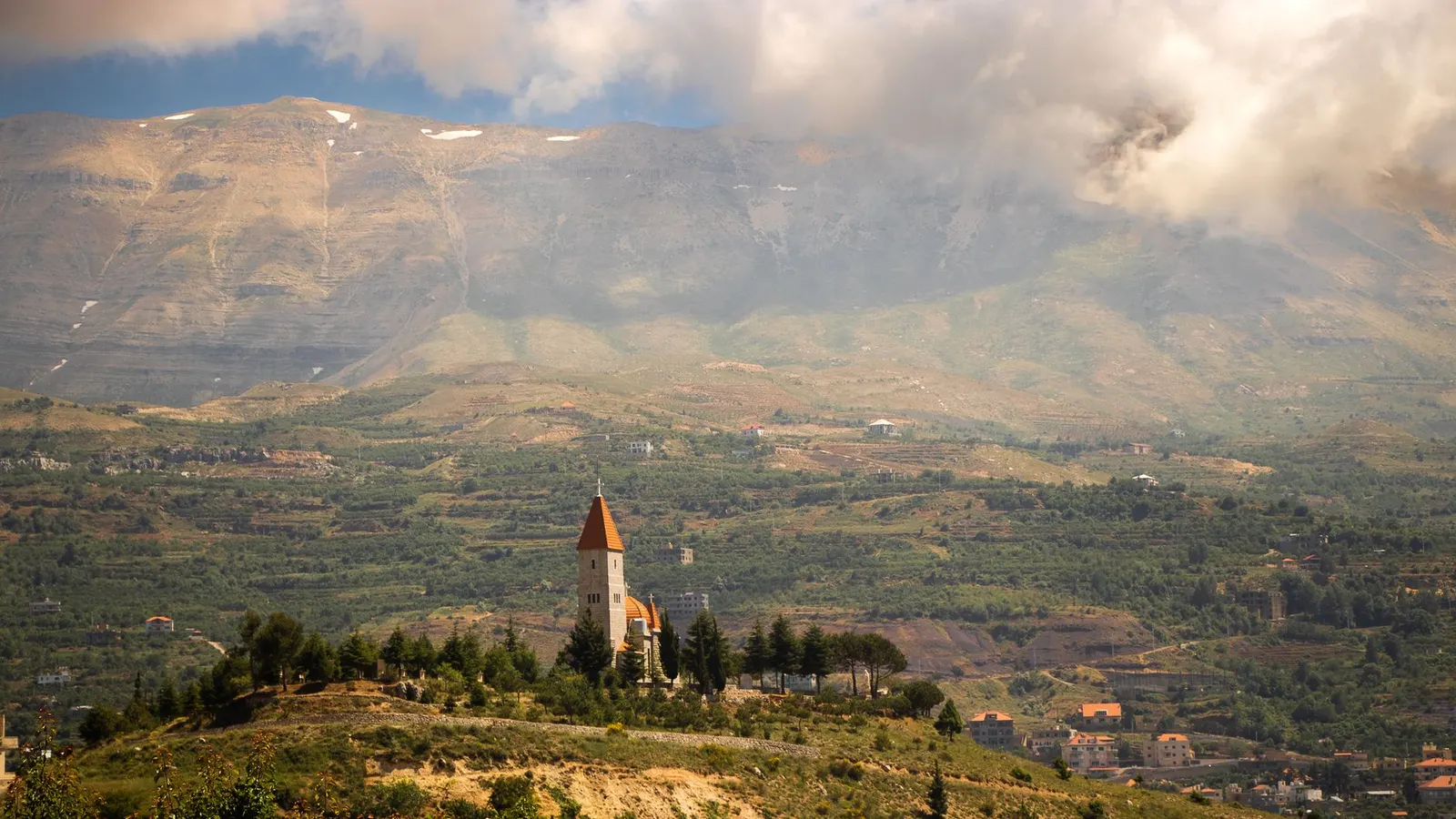
 Fady · Pexels License
Lebanon
Advisory - travel not recommended · checked 5 Aug 2026
Foreign ministries advise against travel to southern Lebanon, the Beqaa valley and the Syrian border areas, and several advise against all travel to the country given the risk of rapid escalation. Beirut and the coast are visited, but the security picture can change within hours.
Official advisory →“Roman temples, cedar forest and a country in its worst economic crisis in a century.”
Lebanon is 10,000 square kilometres holding Roman temples at Baalbek larger than anything in Rome, Byblos which claims continuous habitation for seven thousand years, the cedar groves that gave the flag its tree, and Beirut, which has rebuilt itself repeatedly and remains one of the more interesting cities in the region.
It is also in the middle of one of the worst economic collapses recorded anywhere since the 1850s. The currency has lost the great majority of its value, the banking system froze depositors out of their savings, electricity comes from private generators, and the 2020 port explosion destroyed a large part of Beirut. Foreign ministries advise against travel to the south, the Beqaa and the Syrian border, and several advise against all travel given the risk of rapid escalation. People still visit, and the country would like them to.
Highlights
Baalbek
The temples of Jupiter and Bacchus, the largest Roman religious structures ever built and better preserved than almost anything in Italy. In the Beqaa valley, which carries a standing advisory.
Byblos
A crusader castle over Phoenician and Roman layers, a small harbour and a town claiming seven thousand years of continuous habitation. An easy day from Beirut.
The Qadisha valley and the cedars
A gorge of rock-cut monasteries, UNESCO-listed, with the surviving cedar groves above it — the trees on the flag, and among the oldest in the world.
Beirut
Downtown's reconstruction, the National Museum, Mar Mikhael and Gemmayze's bars, and the port area still marked by the 2020 explosion. A city that talks about its own history directly.
Entry requirements for Lebanon
Advisory - travel not recommended · checked 5 Aug 2026
Foreign ministries advise against travel to southern Lebanon, the Beqaa valley and the Syrian border areas, and several advise against all travel to the country given the risk of rapid escalation. Beirut and the coast are visited, but the security picture can change within hours.
Official advisory →Checking your passport…
We don't hold entry details for this passport group yet.
Before you fly
The detail
- Passport validity
- Most destinations want validity beyond your stay, and some want six months. Check yours against the return date.
- Onward travel
- Airlines may ask for a return or onward ticket at check-in.
- Health
- Hepatitis A and typhoid are standard advice. The healthcare system has been severely weakened by the economic crisis, with drug shortages and staff emigration, though private hospitals in Beirut still function. Insurance with evacuation cover is essential. Tap water is not drinkable. Power cuts affect refrigeration and food safety.
- Money
- Bring US dollars in cash. The pound has collapsed and operates at multiple rates; most tourist businesses quote and accept dollars. Foreign cards often fail and ATMs are unreliable — do not plan on withdrawing. This is not a nuance: arriving without enough cash is the single most common practical failure here.
When to go
BestApr–Jun, Sep–Oct.
Warm, green and flowering — an excellent month.
The band above each month is our editorial verdict - it weighs crowds, prices and access as well as weather. The line is average daily temperature, the bars are monthly rainfall. Select a month for the figures. Climate figures: ERA5 reanalysis via Open-Meteo, 2005–2024 normals.
What it costs
A day in Lebanon
Comfortable · sample day
≈ $81
Line items are real prices we track. The daily budget is an editorial estimate for this level, not their sum.
Where this sits among 244 countries we have costed
The diaspora summer, roughly July and August, is when Beirut fills and prices rise — it is the country's real high season and has little to do with foreign tourism. Beyond that, the currency collapse has scrambled ordinary pricing: figures in pounds are meaningless without knowing which rate applies, and most tourist businesses now quote dollars. These figures are dollar-based.
Updated Aug 2026 · Editorial synthesis — operator and guesthouse quotations in USD, site tariffs (2025–2026) · confidence low
Excludes international flights - they depend on where you fly from.
Regions to know
5Beirut
Downtown, the National Museum, the corniche, and the Mar Mikhael and Gemmayze nightlife districts.
The coast north
Byblos, Batroun, Tripoli's Mamluk old city and souks, and the Jeita grotto inland.
Mount Lebanon & Qadisha
The Qadisha valley's rock monasteries, the cedar groves, Bcharre and the ski areas at Faraya and the Cedars.
The Beqaa valley
Baalbek's Roman temples, Anjar's Umayyad city and the Ksara and Kefraya vineyards — all under standing advisory.
The Chouf & the south
The Chouf cedar reserve and Beiteddine palace, Sidon and Tyre's Roman remains — with the south under advisory.
Practical guide
Getting there
Beirut Rafic Hariri (BEY) is the only airport and has been subject to periodic disruption and airline suspensions. The land border with Syria is open but travelling through Syria carries its own advisories; the Israeli border is closed and has been for decades. Note that an Israeli stamp or evidence of an Israeli visit bars entry to Lebanon.
Getting around
Shared taxis and minibuses connect the coastal towns cheaply; there is no rail network. Hiring a driver for a day is the standard way visitors reach Baalbek, the Qadisha valley and the Chouf, and costs around €80–120. Beirut traffic is heavy and taxis are negotiated — agree a price first. Fuel supply has been intermittent during the crisis.
Money & costs
Bring US dollars in cash. The pound has collapsed and operates at multiple rates; most tourist businesses quote and accept dollars. Foreign cards often fail and ATMs are unreliable — do not plan on withdrawing. This is not a nuance: arriving without enough cash is the single most common practical failure here.
Safety
The security picture is the defining consideration and is covered in detail and revised frequently by every foreign ministry. Beyond it, crime against visitors is relatively low. Electricity and water supply are unreliable. Unexploded ordnance persists in the south. Avoid demonstrations, which occur regularly. Ensure insurance covers the current advisory position, which most policies will not.
Health
Hepatitis A and typhoid are standard advice. The healthcare system has been severely weakened by the economic crisis, with drug shortages and staff emigration, though private hospitals in Beirut still function. Insurance with evacuation cover is essential. Tap water is not drinkable. Power cuts affect refrigeration and food safety.
SIM & internet
Local SIMs are available and relatively expensive by regional standards. Coverage is reasonable along the coast and in the mountains, and power cuts affect network availability. Wifi is standard in hotels and depends on the generator. Assume intermittent connectivity rather than none.
Driving
Driving standards are assertive to the point of hazardous, mountain roads are narrow and often unlit, and fuel supply has been unreliable during the crisis. Hiring a driver is the normal arrangement and removes the checkpoint and navigation questions at the same time.
Rules change - verify with an official source before you rent.
ExplWorld VerifiedNo verified partners here yet - all 6 country seats are open.
Become ExplWorld Verified →Itineraries through this country
Before you go
LebanonFrequently asked questions
What does the economic crisis mean for a visitor?
Practically: bring US dollars in cash. The banking system does not function normally for residents, foreign cards frequently fail, and the pound has multiple effective rates. Most tourist businesses now price in dollars. Electricity is intermittent and hotels run generators. For a visitor with hard currency the country is inexpensive; for residents it has been catastrophic, and that gap is visible everywhere.
Is it safe to go?
Foreign ministries advise against travel to southern Lebanon, the Beqaa valley including Baalbek, the Palestinian refugee camps and the Syrian border areas; several advise against all travel to the country because the security situation can escalate within hours. Beirut and the coast north of it are visited. Read your own ministry's current advice days before departure, and understand that standard insurance will not cover travel against it.
Can I visit Baalbek?
It sits in the Beqaa valley, which carries a standing advisory from most governments. People do go, usually on a day trip with a driver from Beirut. It is a decision to make with current information and an understanding of what your insurance does and does not cover, not one this guide will make for you.