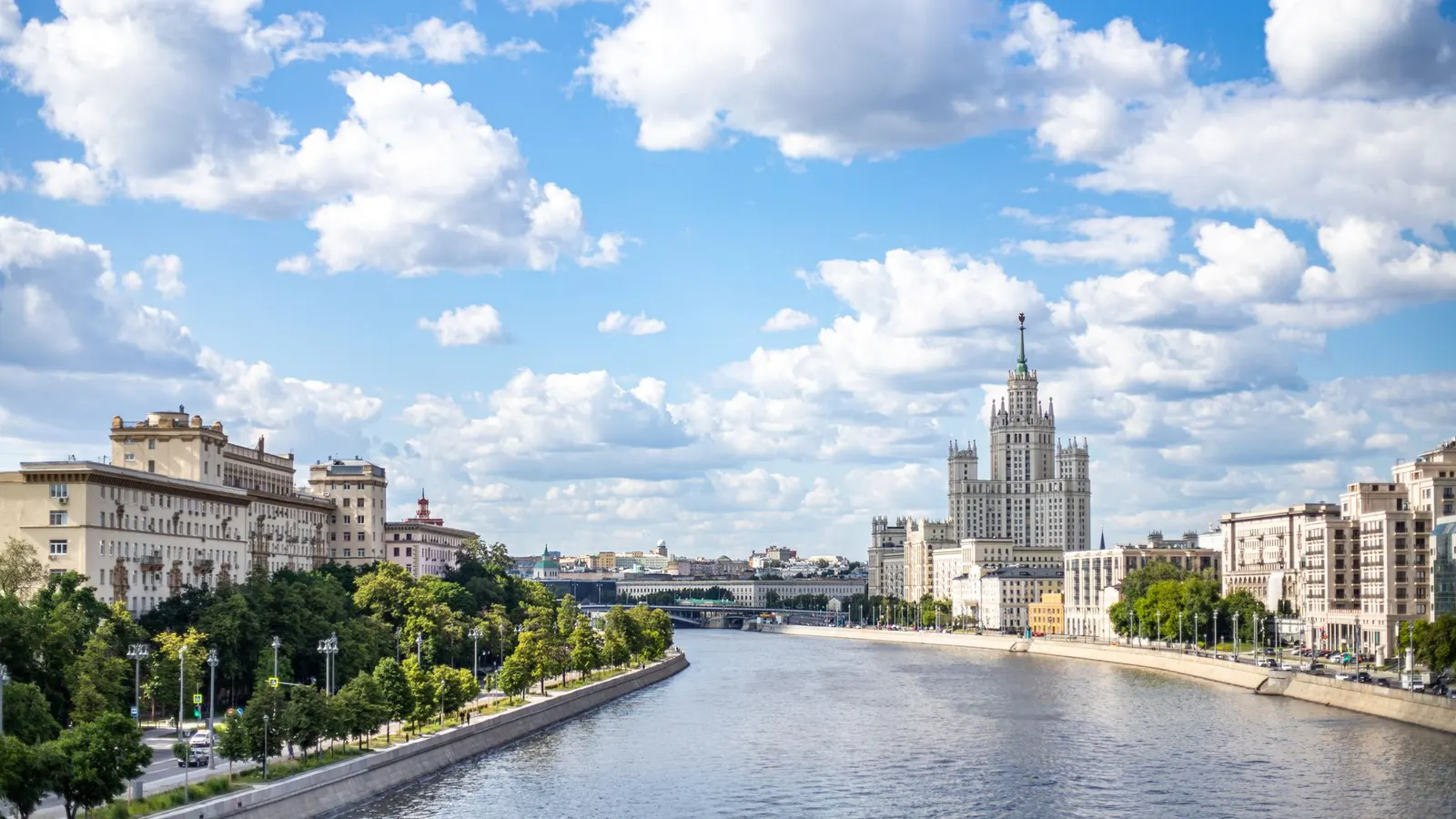
 Виктор Соломоник · Pexels License
Russia
Advisory - travel not recommended · checked 5 Aug 2026
Foreign ministries advise against all or all-but-essential travel to Russia. Consular assistance is severely limited for many nationalities, dual nationals face conscription and exit risks, airspace closures make routing difficult, and arbitrary detention of foreign nationals has occurred. Standard scores are suspended while this alert is active.
Official advisory →“The largest country on earth, and one most governments now advise against entering.”
Russia spans eleven time zones and holds some of the most extraordinary travel on the planet: St Petersburg's imperial centre, the Trans-Siberian across a continent, Lake Baikal holding a fifth of the world's unfrozen fresh water, and Kamchatka's volcanoes. None of that has changed. What has changed is everything around it.
Since February 2022 most Western governments advise against all or all-but-essential travel. Consular assistance is severely limited, arbitrary detention of foreign nationals has occurred and has been used politically, airspace closures make routing long and expensive, Western cards do not work, and dual nationals face conscription and exit risks. This page is written for people who have a reason to go and need accurate information. It is not a recommendation.
Highlights
St Petersburg
The Hermitage, the canals and the imperial palaces at Peterhof and Pushkin — the most immediately rewarding city in the country, and at its strangest during the white nights in June.
The Trans-Siberian
Nine thousand kilometres from Moscow to Vladivostok over seven days, or branching to Mongolia and China. Still running, still one of the great rail journeys, and now much harder for foreigners to arrange.
Lake Baikal
The deepest lake in the world, holding around a fifth of the planet's unfrozen fresh water, with Olkhon island in the middle and ice a metre thick in winter.
Kamchatka
A peninsula of active volcanoes, geysers and brown bears in the far east, reached by a nine-hour flight from Moscow. Among the most remote accessible wilderness anywhere.
Entry requirements for Russia
Advisory - travel not recommended · checked 5 Aug 2026
Foreign ministries advise against all or all-but-essential travel to Russia. Consular assistance is severely limited for many nationalities, dual nationals face conscription and exit risks, airspace closures make routing difficult, and arbitrary detention of foreign nationals has occurred. Standard scores are suspended while this alert is active.
Official advisory →Checking your passport…
We don't hold entry details for this passport group yet.
Before you fly
The detail
- Passport validity
- Most destinations want validity beyond your stay, and some want six months. Check yours against the return date.
- Onward travel
- Airlines may ask for a return or onward ticket at check-in.
- Arrival form
- E-visa or consular visa, plus migration card issued at the border. Registration with the authorities is required for stays over seven working days.
- Health
- Routine vaccinations; tick-borne encephalitis is a genuine concern in Siberian and Far Eastern forests and vaccination is standard for anyone spending time outdoors there. Healthcare in Moscow and St Petersburg is good and expensive privately; regional facilities vary widely. Medical evacuation is complicated by the airspace situation. Tap water is not drinkable in most cities including St Petersburg.
- Money
- Cash only for foreign visitors. Foreign-issued cards do not work anywhere. Bring euros or dollars in cash and change them at banks; carrying enough for a whole trip is the standard approach and its own risk. Currency export limits apply. Mir cards work locally but require a Russian bank account.
When to go
BestMay–Aug. AvoidNov–Feb.
Spring proper; long days and Victory Day on the 9th.
The band above each month is our editorial verdict - it weighs crowds, prices and access as well as weather. The line is average daily temperature, the bars are monthly rainfall. Select a month for the figures. Climate figures: ERA5 reanalysis via Open-Meteo, 2005–2024 normals.
What it costs
A day in Russia
Comfortable · sample day
≈ $65
Line items are real prices we track. The daily budget is an editorial estimate for this level, not their sum.
Where this sits among 244 countries we have costed
The rouble has been volatile and subject to capital controls since 2022, which makes euro-denominated figures move for reasons unrelated to local prices — a weak rouble has made Russia cheap in hard-currency terms while domestic inflation runs high. Summer is the peak for St Petersburg and for Siberia and Kamchatka, both of which have short seasons.
Updated Aug 2026 · Editorial synthesis — Russian Railways published fares, e-visa tariff, accommodation sampling (2025–2026) · confidence low
Excludes international flights - they depend on where you fly from.
Regions to know
5Moscow & the Golden Ring
The capital and the medieval towns north-east of it — Suzdal, Vladimir and Sergiev Posad.
St Petersburg & the northwest
The imperial capital, its palaces and canals, Karelia's lakes and the wooden churches at Kizhi.
The Volga & the south
Kazan's Tatar and Orthodox layers, Nizhny Novgorod, and the Caucasus republics further south.
Siberia & Baikal
The Trans-Siberian corridor, Irkutsk, Olkhon island and the Altai mountains toward Mongolia.
The Far East
Vladivostok, Kamchatka's volcanoes and bears, and Sakhalin — a nine-hour flight from Moscow.
Practical guide
Getting there
European and North American airlines do not fly to Russia and Russian carriers are barred from most Western airspace, so routing is via Istanbul, Dubai, Doha, Belgrade, Yerevan or Central Asia and takes considerably longer than before. Overland entry from Finland is closed; the Baltic and Polish crossings are heavily restricted. Georgia, Kazakhstan and Mongolia remain usable land routes.
Entry formalities
E-visa or consular visa, plus migration card issued at the border. Registration with the authorities is required for stays over seven working days.
Getting around
The rail network is excellent, extensive and cheap, and remains the best way to travel — the Moscow to St Petersburg Sapsan takes under four hours. Domestic flights cover the vast distances. Metro systems in Moscow and St Petersburg are among the best in the world. Booking now generally requires a Russian payment method or an agent, which is the practical obstacle.
Money & costs
Cash only for foreign visitors. Foreign-issued cards do not work anywhere. Bring euros or dollars in cash and change them at banks; carrying enough for a whole trip is the standard approach and its own risk. Currency export limits apply. Mir cards work locally but require a Russian bank account.
Safety
Street crime is low and the cities are safe to walk at night. The risks are legal and political, as above, plus drone and missile activity in regions bordering Ukraine — Belgorod, Kursk and Bryansk have been repeatedly affected and should be avoided entirely. Consular assistance is minimal for most Western nationalities. Do not photograph military installations, and be aware that laws on "discrediting the armed forces" are broad and have been applied to social media posts.
Health
Routine vaccinations; tick-borne encephalitis is a genuine concern in Siberian and Far Eastern forests and vaccination is standard for anyone spending time outdoors there. Healthcare in Moscow and St Petersburg is good and expensive privately; regional facilities vary widely. Medical evacuation is complicated by the airspace situation. Tap water is not drinkable in most cities including St Petersburg.
SIM & internet
Mobile networks function well and local SIMs are cheap but require passport registration. Many Western platforms are blocked, including several social networks, and VPN services are themselves restricted — install and test one before arrival if you need it. Assume communications are monitored.
Driving
Distances are the defining fact — Moscow to Vladivostok is nine thousand kilometres. Winter driving conditions in Siberia are extreme and roadside assistance is distant. Most visitors use trains and flights rather than driving.
Rules change - verify with an official source before you rent.
ExplWorld VerifiedNo verified partners here yet - all 6 country seats are open.
Become ExplWorld Verified →Itineraries through this country
Before you go
RussiaFrequently asked questions
Can I get a visa?
Most nationalities still can, and Russia introduced a unified e-visa in 2023 covering 16 days for many countries. The administrative route exists. Whether to use it is a separate question, and every Western foreign ministry answers it the same way. Note that some nationalities have been excluded from the e-visa scheme in response to their governments' visa policies.
Will my cards work?
No. Visa and Mastercard stopped processing Russian transactions in 2022, so foreign-issued cards do not work at ATMs, in shops or online. Visitors bring cash — euros or dollars — and change it locally. This alone makes travel here logistically unlike anywhere else in Europe, and carrying enough cash for an entire trip has its own risks.
What is the actual risk to a foreign visitor?
Not street crime, which is low. The risks are legal and political: arbitrary detention has occurred and foreign nationals have been held on charges their governments describe as fabricated; consular access has been restricted; laws on speech, protest and LGBTQ+ matters are broad and enforced; and dual nationals may be treated solely as Russian citizens, including for conscription. Photography near military and infrastructure sites is treated seriously.