The south on trains and buses — Naples, the Amalfi coast without the day-trip crowds, the cave city of Matera and the trulli of Puglia, ending on a beach that most Italians drive nine hours to reach.
Naples, on foot
Arrive and walk the Centro Storico rather than seeing anything. Via dei Tribunali, Spaccanapoli, the Cappella Sansevero if you book ahead. Naples is loud and it is the point.
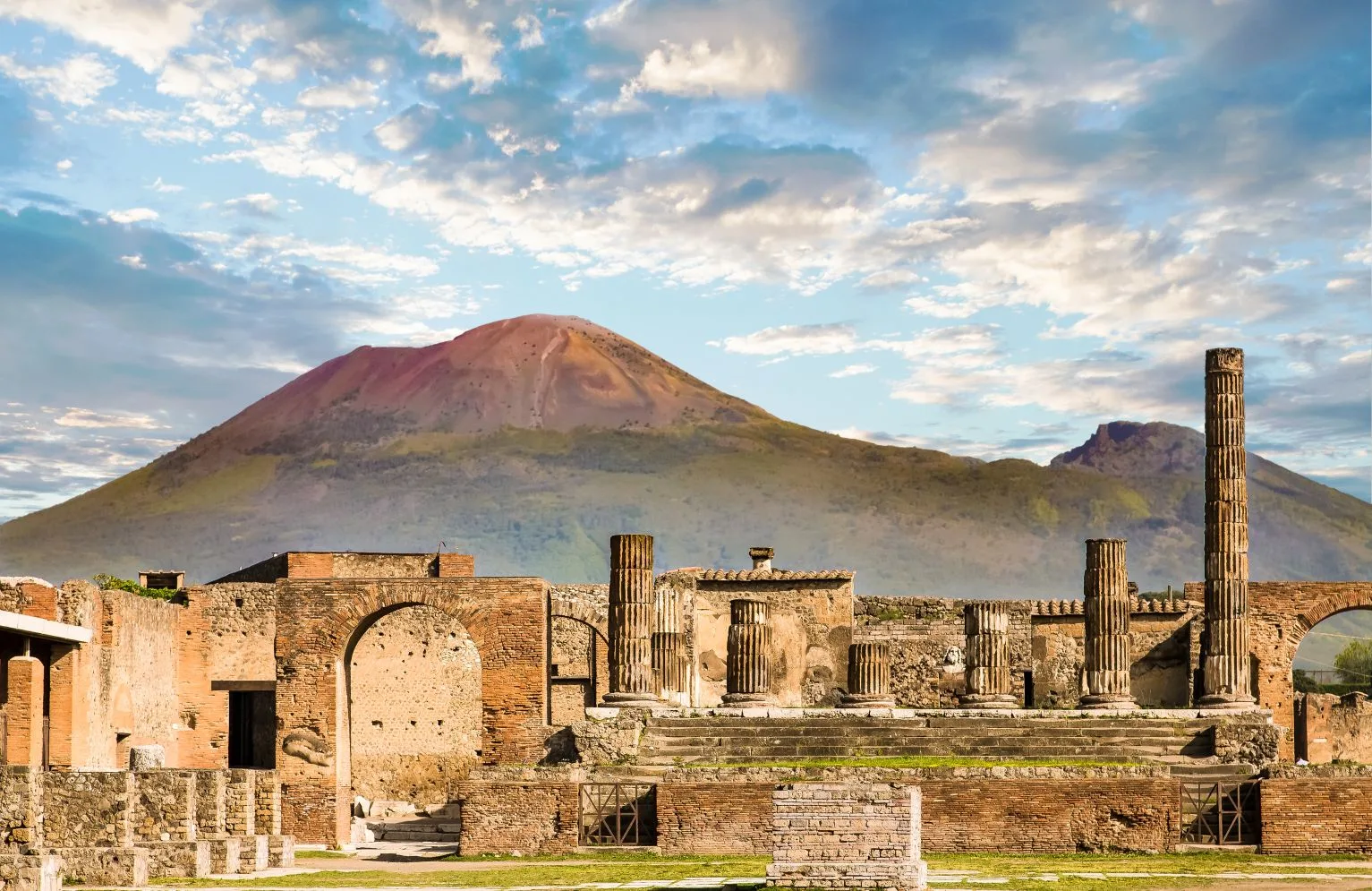
Pompeii and Vesuvius
Circumvesuviana from Napoli Garibaldi, off at Pompei Scavi. Be at the gate for opening; by eleven the site is full and there is almost no shade. Vesuvius in the afternoon if the legs hold.
To the Amalfi coast
Ferry from Naples to Sorrento, then the SITA bus along the coast road. The bus is cheaper, more frightening and better than any tour. Base in Praiano rather than Positano and pay two-thirds as much for the same sea.
Path of the Gods
The Sentiero degli Dei from Bomerano down to Positano — four hours, mostly downhill, with the coast a thousand metres below the whole way. Start early; there is no water on the trail.
Coast to Matera
A long transfer day east across the peninsula. Bus or train via Salerno and Bari. It is dull for four hours and then you arrive in a city built into a ravine.
Matera, the Sassi
Two nights here. The cave districts were emptied by law in the 1950s as a national embarrassment and repopulated as a UNESCO site forty years later — a reversal that residents still have opinions about. Walk it at dusk.
Murgia and the rock churches
Cross the ravine into the Parco della Murgia for the rupestrian churches and the view back at the Sassi that every photograph is taken from. Half a day, decent shoes.
Into the trulli
East to the Valle d'Itria. Alberobello is the postcard and it is genuinely full; stay in Locorotondo or Cisternino instead and drive out to the trulli standing alone in the fields, which is what they mostly are.
Ostuni and the olive coast
The white town on its hill, then down to the coast road through olive groves — some of these trees are two thousand years old, and many are dying of Xylella, which is the other thing to notice here.
Lecce
Baroque cut from stone soft enough to carve like wood, in a university town that stays awake. The best day of the trip for doing nothing in particular.
Salento coast
Down to the tip. Otranto on the Adriatic side, Gallipoli on the Ionian, and the sea caves between them. In September the water is at its warmest and the beach clubs are half empty.
Santa Maria di Leuca and back
The heel proper, where the two seas meet and you can see the colour change. Then back to Lecce or Brindisi for onward travel.
Good to know
Trains cover Naples–Salerno–Bari–Lecce well and cheaply; everything between needs a bus, a car or patience. Regional trains in Puglia (FAL, FSE) are separate companies from Trenitalia and do not appear in the same app. August is hot, full and expensive — May, June and September are the trip. The Amalfi coast road closes to non-residents in high summer for stretches of the day, which is a reason to use the SITA bus rather than a rental car.
Shorter or longer?
Ferry or train from Naples to Palermo and give it ten more days. It is a different country and it deserves them.
Naples straight to Matera and give the extra days to Puglia. The Amalfi coast is beautiful and it is the most crowded thing on this route.