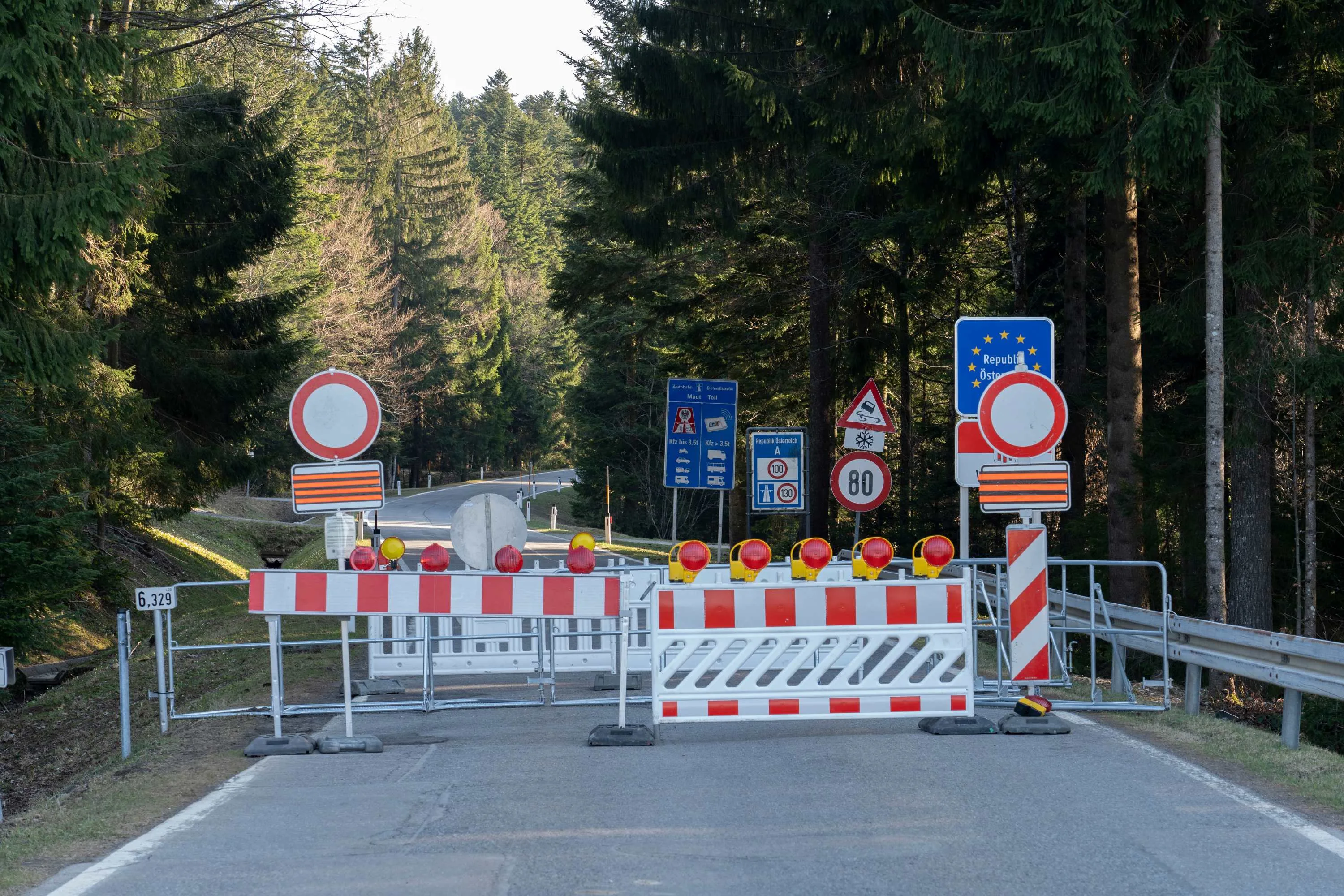
Uwe / stock.adobe.com
The Road Is Not the Crossing
Air routes fail visibly. Land borders fail quietly — closed for years while the map still shows the road, or open to the two neighbouring nationalities and to nobody else. The four kinds of closure, and how to check before you commit.
An overland route is a plan that depends on a gate being open. Air routes fail visibly — the flight is cancelled, the airline tells you, there is a rebooking desk. Land borders fail quietly: they simply do not open that morning, or they open only to nationals of the two countries, or they have been closed for four years and the map still shows the road going through.
The categories of closure
Permanent, and political. Some borders have not opened in decades and are not going to; the road exists, the crossing does not. Planning software and paper maps both routinely route through them, because the road is real and the routing engine does not model diplomacy.
Restricted by nationality. A crossing open to citizens of the two neighbouring states and closed to third-country nationals is extremely common, and it is the single most frequent unpleasant surprise in overland travel. The border is open. Traffic is moving through it. It is simply not open to you, and the officer telling you so is applying a rule that is not published anywhere you would have found.
Seasonal. High-altitude passes close with snow, and the closure dates move by weeks each year according to conditions rather than the calendar. River and lake crossings stop in flood or in drought. A ferry that is the only link across a strait runs to a timetable that thins to nothing out of season and is cancelled outright in weather.
Episodic. Security incidents, disease control, elections, disputes over trade, migration pressure and one-sided decisions announced the same day. These close with no notice and reopen on none either, and they are the reason that a crossing someone used last month is evidence rather than a guarantee.
The road on the map is not a border crossing. A border crossing is a building with staff in it, and the staff can be told not to come.
The specific traps
Opening hours are shorter than you expect and are frequently different on each side, which means a crossing can be open to leave and closed to enter — leaving you stamped out of one country and refused by the next, on the stretch of road between the two posts. Time zones between the two posts turn a comfortable arrival into a locked gate. Lunch closures, national holidays on either side and Friday afternoons in some regions all remove hours nobody warned you about.
Fees are cash-only and often in a currency you can no longer obtain, because you have already left the country that used it and have not yet entered the one that will sell you the next. Vehicle paperwork — the temporary import permit, the insurance valid in the next country, the carnet, the authorisation letter if the vehicle is not yours — is checked at the point where turning back is most expensive.
And exit stamps matter more than entry ones. Leaving a country without a proper exit record creates a problem that surfaces at the next entry rather than this one, sometimes years later, and it is much harder to fix retrospectively than to get right at the window.
How to plan a crossing you have not made
Confirm the crossing is open to your nationality specifically, from a source dated within weeks. Overland travellers’ forums and recent trip reports are more current than any official page, and the official page is more authoritative — use both, and prefer the recent one when they disagree about a fact and the official one when they disagree about a rule. An embassy will answer this question by email and the answer is worth having in writing.
Arrive early in the day, always: it gives you the whole of the working day to solve whatever goes wrong, and it means the fallback of returning to the last town is still available. Carry the fee in the currency of the country you are entering and in a widely accepted hard currency, in small notes. Have printed copies of everything, since the office may have no power.
And carry a genuine fallback: which town you retreat to, which flight from which airport, and whether your visa for the country you are leaving permits you to re-enter after being turned back. That last question is the one that turns an inconvenience into a serious problem, and it is answerable in advance.
Sources
- The border service or foreign ministry of both states
Opening status, nationality restrictions and fees are bilateral facts; check both sides, dated within weeks.
- Recent overland travellers’ reports
Forums date faster than official pages update. Prefer the newer source on facts, the official one on rules.