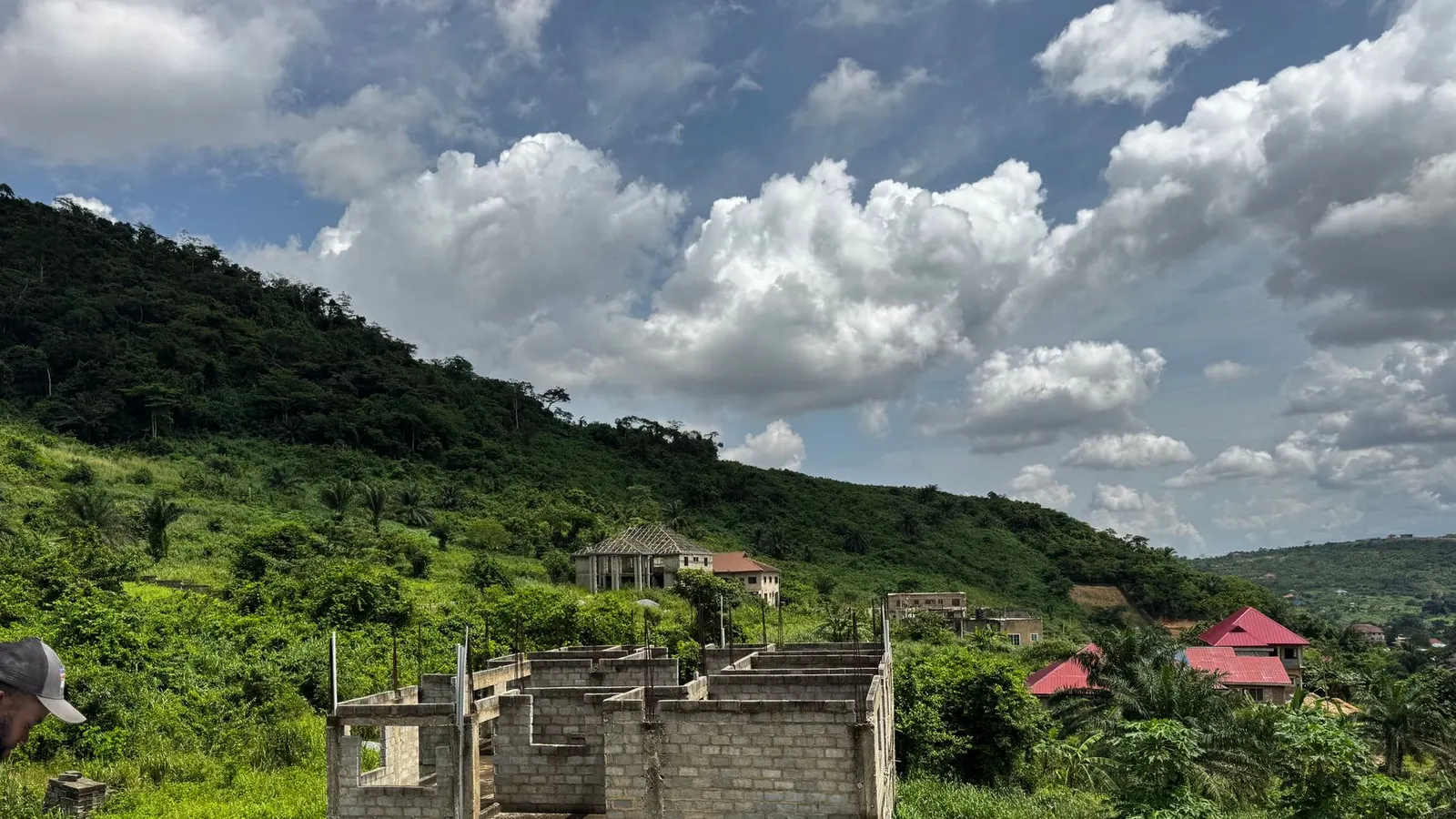
 Prince Enos · Pexels License
Ghana
“Slave forts, highlife and the friendliest first step into West Africa.”
Ghana is where most people start West Africa, and for good reason: English is the official language, the political situation has been stable for decades, and Ghanaians have a reputation for hospitality that survives contact with reality. Accra is loud and fast; two hours west, Cape Coast and Elmina hold the whitewashed forts from which millions were shipped across the Atlantic, and visiting them is the reason many travellers come.
Beyond that history the country is greener and more varied than expected — rainforest canopy walkways at Kakum, the Ashanti kingdom still functioning around Kumasi with its own royal court, and a northern savanna around Mole where elephants come to the waterhole below the lodge. Distances are real and roads are mixed, so plan on ten days minimum and accept that the trip north will eat a day each way.
Highlights
Cape Coast and Elmina castles
Two UNESCO-listed forts on the Gulf of Guinea, with the dungeons and the Door of No Return left as they are. Guided visits are sober and unsparing; Elmina, built by the Portuguese in 1482, is the oldest European structure in sub-Saharan Africa.
Kumasi and the Ashanti kingdom
The Manhyia Palace museum, the Kejetia market — one of the largest in West Africa — and craft villages nearby weaving kente and casting brass. The Asantehene's court still holds Akwasidae festivals every six weeks.
Kakum canopy walkway
Seven rope bridges strung 30 metres above the rainforest floor near Cape Coast. Go at dawn for the birds and to beat both the heat and the school groups.
Mole National Park
Northern savanna where elephants, antelope and warthogs come to the waterhole beneath the escarpment lodge. Walking safaris with an armed ranger cost very little and get you closer than a vehicle would.
Entry requirements for Ghana
Checking your passport…
We don't hold entry details for this passport group yet.
Before you fly
The detail
- Passport validity
- Most destinations want validity beyond your stay, and some want six months. Check yours against the return date.
- Onward travel
- Airlines may ask for a return or onward ticket at check-in.
- Health
- Yellow fever certificate mandatory. Malaria risk is year-round nationwide — take prophylaxis and use repellent. Drink bottled or sachet water. Private clinics in Accra are decent; anything serious means evacuation, so carry insurance that covers it.
- Money
- The cedi is cash-first. ATMs are common in Accra, Kumasi and Cape Coast and dispense cedis; cards work in hotels and larger restaurants only. Mobile money (MTN MoMo) is ubiquitous locally and increasingly accepted from foreign visitors with a local SIM.
What changed
When to go
BestNov–Feb. AvoidMay–Jun, September.
Dry and clear, though harmattan dust can haze the north.
The band above each month is our editorial verdict - it weighs crowds, prices and access as well as weather. The line is average daily temperature, the bars are monthly rainfall. Select a month for the figures. Climate figures: ERA5 reanalysis via Open-Meteo, 2005–2024 normals.
What it costs
A day in Ghana
Comfortable · sample day
≈ $76
Line items are real prices we track. The daily budget is an editorial estimate for this level, not their sum.
Where this sits among 244 countries we have costed
December is a genuine peak — Accra accommodation can double during the diaspora season around Christmas and the "Year of Return" style events.
Updated Aug 2026 · Editorial synthesis — operator tariffs and market price sampling (2025–2026) · confidence medium
Excludes international flights - they depend on where you fly from.
Regions to know
5Greater Accra
The capital — Jamestown's fishing harbour and lighthouse, Makola market, Osu nightlife, and Labadi beach at the weekend.
Central Region
Cape Coast, Elmina, Kakum and the fishing villages between them. The core of most itineraries.
Ashanti
Kumasi, the royal court, Lake Bosumtwi's meteorite crater and the kente and brass villages around Bonwire.
Volta Region
Wli waterfall, Mount Afadja, monkey sanctuaries at Tafi Atome and the long lake shore east towards the Togo border.
The north
Tamale, Mole National Park, the mud-and-stick Larabanga mosque and the Sahelian landscapes towards Burkina Faso.
Practical guide
Getting there
Kotoka International in Accra is the hub, with direct links to London, Brussels, Istanbul, Dubai, Addis Ababa, New York and Washington plus dense West African connections. Overland crossings to Togo (Aflao) and Côte d'Ivoire (Elubo) are open and used routinely.
Getting around
Coaches on the main corridors, tro-tros everywhere else. Bolt and Uber work well in Accra and Kumasi. Roads between the major cities are paved and reasonable; secondary roads deteriorate quickly in the rains.
Money & costs
The cedi is cash-first. ATMs are common in Accra, Kumasi and Cape Coast and dispense cedis; cards work in hotels and larger restaurants only. Mobile money (MTN MoMo) is ubiquitous locally and increasingly accepted from foreign visitors with a local SIM.
Safety
Ghana is among the safest countries in the region. Opportunistic theft in Accra's markets and on Labadi beach is the main risk. Nightlife areas are fine with normal caution. Petty scams around the forts and craft villages are commercial, not threatening.
Health
Yellow fever certificate mandatory. Malaria risk is year-round nationwide — take prophylaxis and use repellent. Drink bottled or sachet water. Private clinics in Accra are decent; anything serious means evacuation, so carry insurance that covers it.
SIM & internet
MTN has the best national coverage, with Telecel and AirtelTigo as alternatives. Tourist SIMs need passport registration and are sold at the airport. 4G is good in the south, patchier north of Tamale.
Driving
Self-driving is legal but rarely worth it — most visitors hire a car with a driver for a modest premium. Night driving outside towns is genuinely hazardous: unlit vehicles, potholes and livestock.
Rules change - verify with an official source before you rent.
ExplWorld VerifiedNo verified partners here yet - all 6 country seats are open.
Become ExplWorld Verified →Itineraries through this country
From the Journal
Before you go
GhanaFrequently asked questions
Do I need a yellow fever vaccination?
Yes — a yellow fever certificate is a hard entry requirement for all travellers over nine months old, checked on arrival. Get it at least ten days before you fly, because that is when it becomes valid. Malaria prophylaxis is also strongly advised: Ghana is high-risk year-round across the whole country.
How do I get around between cities?
STC and VIP run scheduled air-conditioned coaches on the main routes and are the comfortable option; tro-tros — shared minibuses leaving when full — cover everything else for very little money. Domestic flights link Accra with Kumasi and Tamale and save a full day if you are going north.
Is it expensive?
Cheaper than Southern Africa, more expensive than you might expect for West Africa. Accra hotel prices and restaurant bills in the expat districts are close to European levels; step outside them and costs drop sharply. Cedi inflation has been high, so quoted prices age fast.