 Tayssir Kadamany · Pexels License
Kuwait
“A city-state on the Gulf, with the region's best modernist architecture and no tourism industry.”
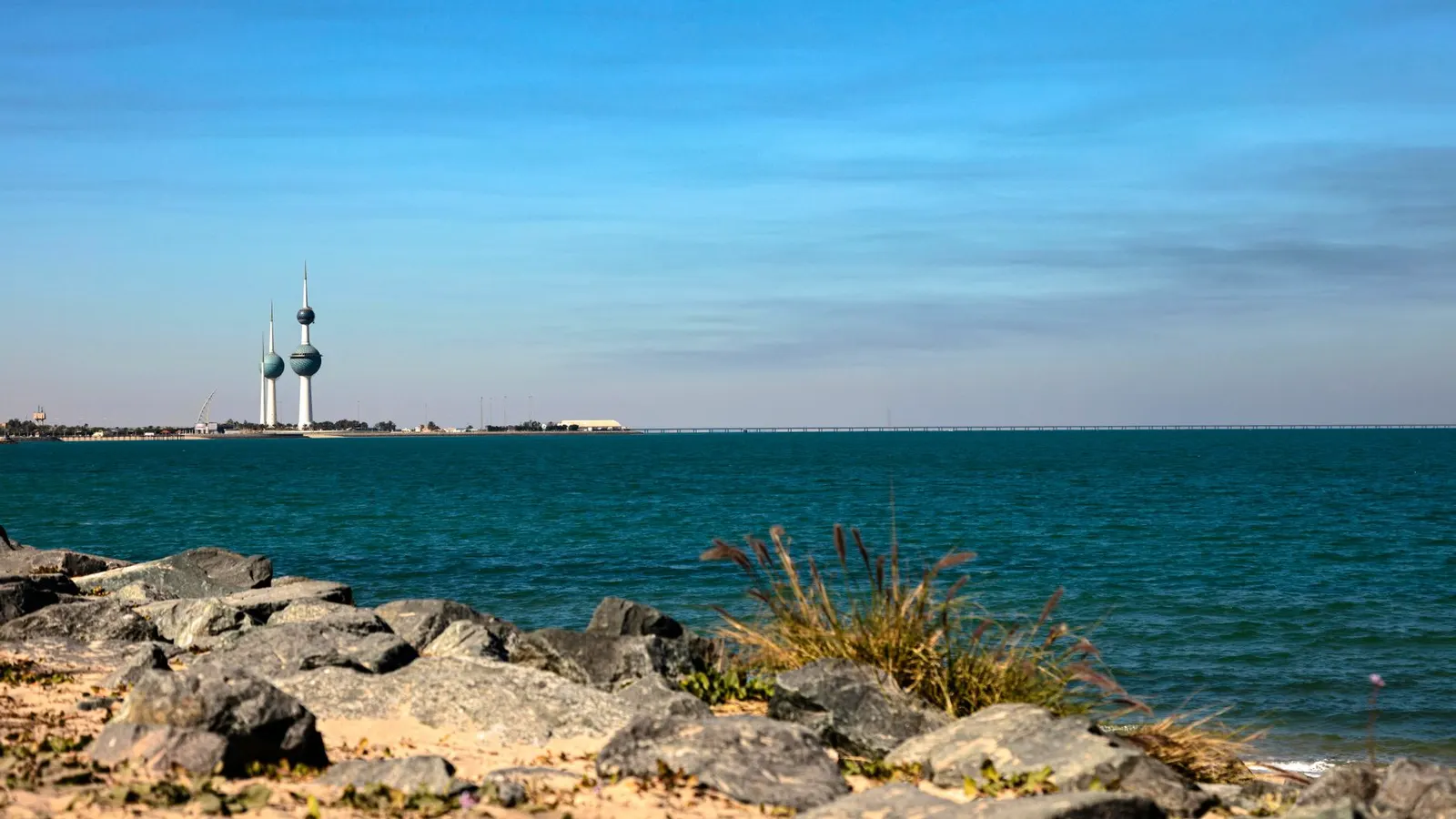
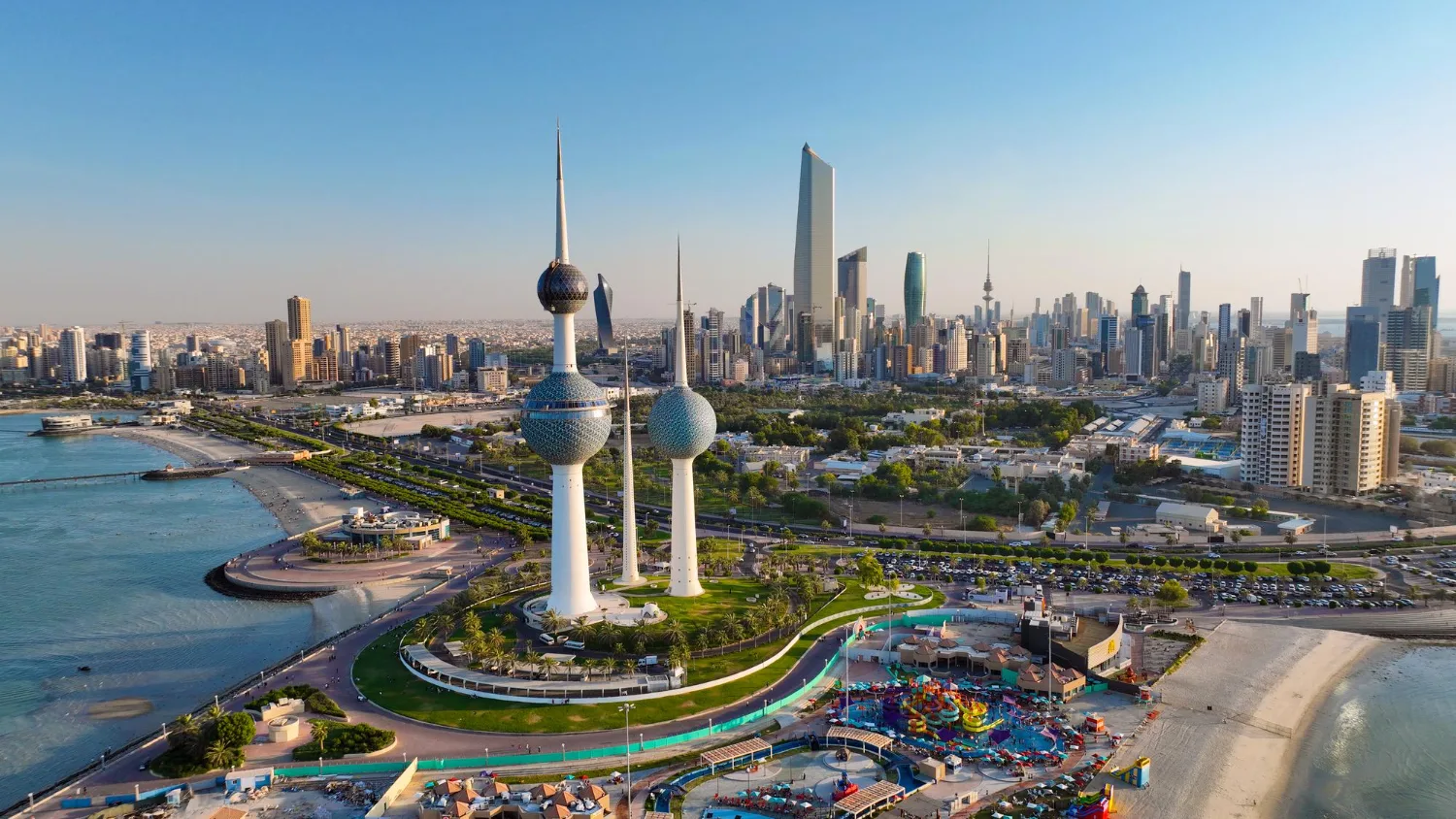
Kuwait receives very few leisure visitors and does little to attract them. What it has is a distinctive twentieth-century story: an oil boom that funded a wave of modernist architecture in the 1960s and 70s, the 1990 Iraqi invasion and the seven-month occupation, and a reconstruction that left the Kuwait Towers standing as the country's symbol.
For a visitor it is a two- or three-day proposition. The Grand Mosque, the Tareq Rajab museums, the souq and the corniche are the substance; the desert beyond the city is flat and largely closed by oil infrastructure and residual military areas. Alcohol is entirely prohibited, the summer heat is among the most extreme on earth — Kuwait has recorded over 53 °C — and the country is expensive.
Highlights
The Kuwait Towers
Three tapering towers with blue-green spheres, completed in 1979, damaged in the occupation and restored. The observation sphere turns slowly and the view takes in the whole city and the Gulf.
The Tareq Rajab museums
A private collection of Islamic art and calligraphy hidden in a basement, which is how it survived the occupation, plus a separate calligraphy museum. Among the best small collections in the region.
Souq Al-Mubarakiya
The old market, partly rebuilt, with spice, textile and gold sections and open-air restaurants that fill in the evening. The most alive place in the city.
The Grand Mosque and the Cultural Centre
The country's largest mosque, open to non-Muslim visitors on booked tours, and the Sheikh Jaber Al-Ahmad Cultural Centre with its opera house and museums.
Entry requirements for Kuwait
Checking your passport…
We don't hold entry details for this passport group yet.
Before you fly
The detail
- Passport validity
- Most destinations want validity beyond your stay, and some want six months. Check yours against the return date.
- Onward travel
- Airlines may ask for a return or onward ticket at check-in.
- Health
- No vaccinations required. Healthcare is good and expensive; insurance is necessary. Tap water is desalinated and generally safe; most drink bottled. Heat illness is the dominant risk. Dust storms are frequent in spring and affect anyone with respiratory conditions.
- Money
- Dinar, the highest-valued currency in the world at around €3, so prices look tiny and are not. Cards are widely accepted. Tipping is not obligatory. There is no alcohol to budget for.
When to go
BestNov–Feb. AvoidMay–Sep.
The best month — mild at 18 °C, occasionally cold at night.
The band above each month is our editorial verdict - it weighs crowds, prices and access as well as weather. The line is average daily temperature, the bars are monthly rainfall. Select a month for the figures. Climate figures: ERA5 reanalysis via Open-Meteo, 2005–2024 normals.
What it costs
A day in Kuwait
Comfortable · sample day
≈ $130
Line items are real prices we track. The daily budget is an editorial estimate for this level, not their sum.
Where this sits among 244 countries we have costed
Very little seasonal variation, because there is almost no leisure market to move prices — hotel rates are driven by business travel and are lower at weekends, the inverse of most destinations. Summer is marginally cheaper. Fuel is among the cheapest in the world.
Updated Aug 2026 · Editorial synthesis — hotel rate sampling, published site tariffs, fuel prices (2025–2026) · confidence low
Excludes international flights - they depend on where you fly from.
Regions to know
5Kuwait City
The towers, the Grand Mosque, the National Museum and Souq Al-Mubarakiya along the corniche.
Salmiya & the coast
The Scientific Center aquarium, the Marina district, and the beaches and cafés along the Gulf.
The southern coast
Al Khiran and the Mina Abdullah oil terminals, plus the resort development toward the Saudi border.
Failaka Island
A Bronze Age and Hellenistic site an hour by ferry, abandoned after the 1990 occupation and left largely as it was.
The northern desert
The Mutla Ridge, the Iraqi border area and the remains of the 1991 Highway of Death — much of it restricted.
Practical guide
Getting there
Kuwait International (KWI) has good regional and Gulf connections and some European service. The land border with Saudi Arabia is open; the Iraqi border is not a route for visitors. There is no useful ferry service.
Getting around
Taxis and ride-hailing — public transport is limited to buses used mainly by workers. A rental car is easy and roads are excellent, though city traffic is heavy and driving standards poor. Everything of interest is within Kuwait City and its immediate surroundings.
Money & costs
Dinar, the highest-valued currency in the world at around €3, so prices look tiny and are not. Cards are widely accepted. Tipping is not obligatory. There is no alcohol to budget for.
Safety
Low crime and safe for visitors. The main hazards are the roads — Kuwait has one of the higher road-fatality rates in the region — and the heat. Unexploded ordnance from 1990–91 persists in some desert areas and off-road driving should be avoided. Photography restrictions are extensive and enforced.
Health
No vaccinations required. Healthcare is good and expensive; insurance is necessary. Tap water is desalinated and generally safe; most drink bottled. Heat illness is the dominant risk. Dust storms are frequent in spring and affect anyone with respiratory conditions.
SIM & internet
Local SIMs are cheap with passport registration. Coverage is complete in the populated strip. Free wifi is widespread. Some VoIP services have been restricted.
Driving
Driving standards are poor and speeds are high; Kuwait has one of the worst road-safety records in the Gulf. Off-road desert driving risks unexploded ordnance left from 1991 and is not worth it. Fuel is extremely cheap.
Rules change - verify with an official source before you rent.
ExplWorld VerifiedNo verified partners here yet - all 6 country seats are open.
Become ExplWorld Verified →Itineraries through this country
Before you go
KuwaitFrequently asked questions
Can I visit as a tourist at all?
Yes, though the tourist-visa framework is narrower than its neighbours. Around fifty nationalities can obtain an e-visa or a visa on arrival; others need a sponsor. The system has been suspended and resumed at various points, so confirm the current position before booking rather than relying on an older account.
What are the rules?
Alcohol is entirely prohibited — importing it is a serious offence and there is nowhere to buy it. Dress modestly in public. Photography of government, military and oil installations is prohibited and there are many of them. Same-sex relations are criminalised. Ramadan rules on eating and drinking in public are enforced on visitors as well as residents.
How hot does it get?
Kuwait has recorded some of the highest reliably measured temperatures on earth — over 53 °C. From June to September the practical experience is moving between air-conditioned spaces, and outdoor exposure at midday is dangerous rather than uncomfortable. November to March is the only season worth planning around.