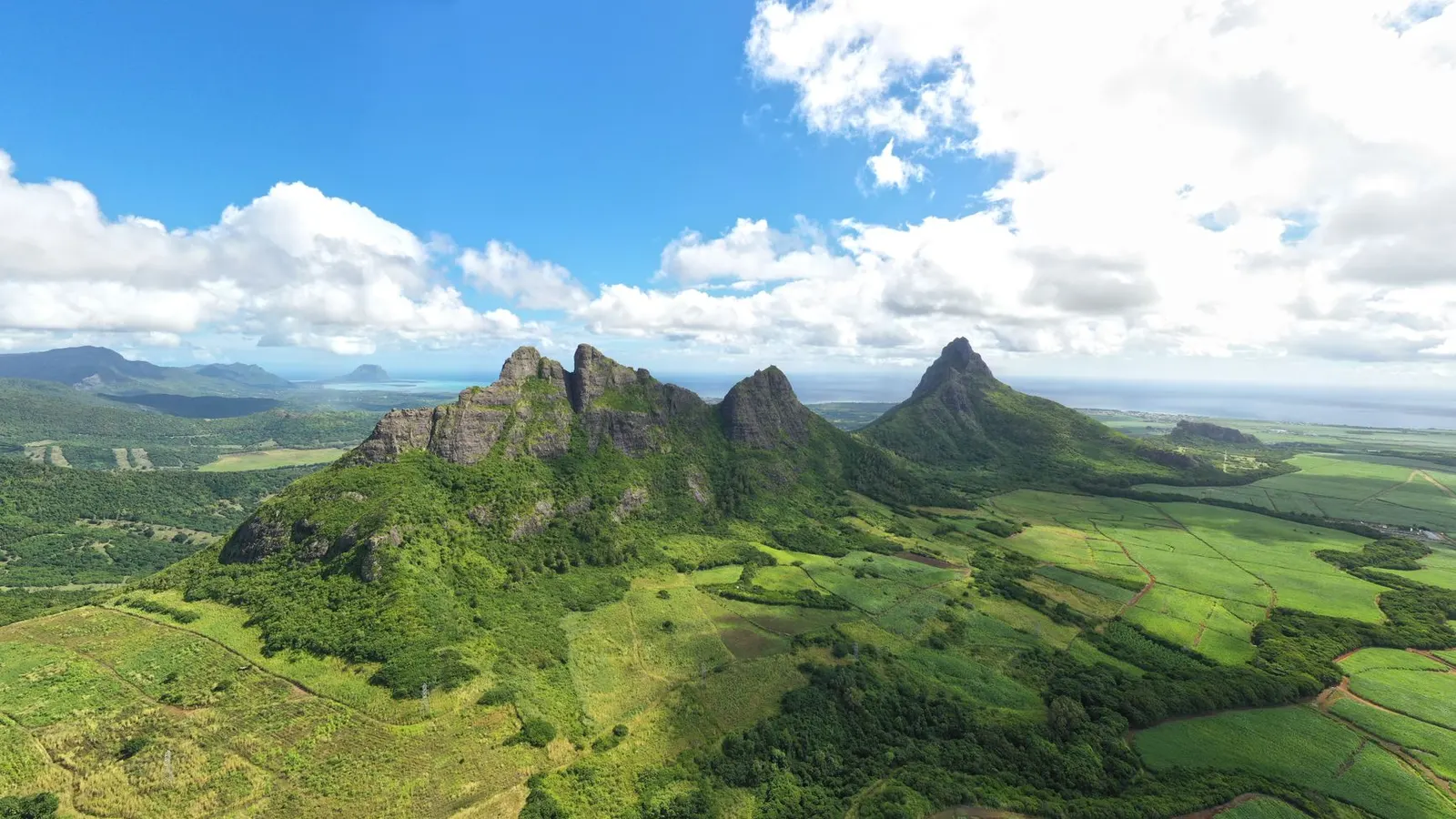
 Dominik Ruhl · Pexels License
Mauritius
“A lagoon-ringed island where India, Africa, France and China have been mixing for 300 years.”
Mauritius is a volcanic island surrounded almost entirely by coral reef, which means a continuous shallow lagoon and no serious surf on most of the coast. The resorts are what it is sold on, but the interior is more interesting than the brochures suggest: Black River Gorges' remnant forest, the coloured earths at Chamarel, tea estates and a chain of extinct craters.
The culture is the real story. Indentured labour from India, enslaved people from Madagascar and East Africa, French planters, British administration and Chinese traders produced a society where a Hindu temple, a mosque, a cathedral and a pagoda sit within a few streets of each other in Port Louis, and where the street food is dholl puri. English is the official language, French is what people actually use, and Creole is what they speak at home.
Highlights
Le Morne Brabant
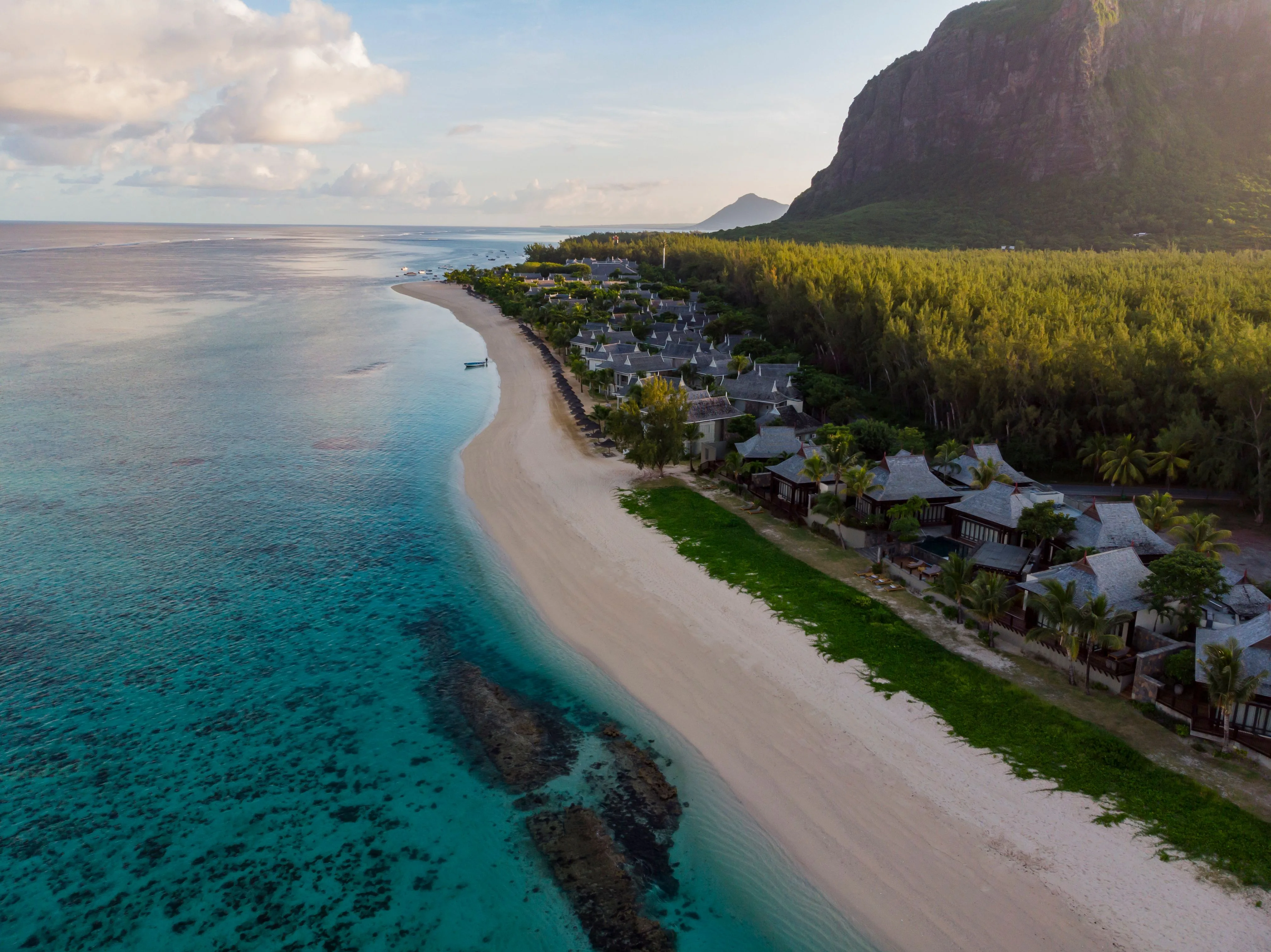
A basalt monolith on the southwest peninsula, UNESCO-listed as a refuge used by escaped slaves. The guided hike to the summit takes about three hours return; the lagoon below is the island's best kitesurfing.
Black River Gorges
The last significant native forest on the island, with pink pigeons and Mauritius kestrels brought back from near extinction, plus viewpoints over the gorge and waterfall trails.
Chamarel
Seven-coloured earths formed from weathered volcanic ash, a 100-metre waterfall next door, and the rum distillery and coffee estates on the same road.
Port Louis and the Aapravasi Ghat
The capital's Central Market, Chinatown and the UNESCO-listed depot where nearly half a million indentured labourers first landed — the site that gave the modern population its shape.
Entry requirements for Mauritius
Checking your passport…
We don't hold entry details for this passport group yet.
Before you fly
The detail
- Passport validity
- Most destinations want validity beyond your stay, and some want six months. Check yours against the return date.
- Onward travel
- Airlines may ask for a return or onward ticket at check-in.
- Health
- No malaria. Dengue outbreaks occur, so use repellent. Tap water is treated and safe in most areas; many visitors still drink bottled. Health care is good, with private clinics in the north and centre.
- Money
- Rupees for local spending; cards are accepted almost everywhere including small restaurants. ATMs are plentiful. Tipping is not obligatory but is normal in restaurants at around 10%.
When to go
BestMay–Jun, Sep–Nov. AvoidJan–Mar.
Dry, mild and quiet — excellent value.
The band above each month is our editorial verdict - it weighs crowds, prices and access as well as weather. The line is average daily temperature, the bars are monthly rainfall. Select a month for the figures. Climate figures: ERA5 reanalysis via Open-Meteo, 2005–2024 normals.
What it costs
A day in Mauritius
Comfortable · sample day
≈ $135
Line items are real prices we track. The daily budget is an editorial estimate for this level, not their sum.
Where this sits among 244 countries we have costed
Resort rates peak from mid-December to early January and again in July–August. May, June and October are the sweet spot for value.
Updated Aug 2026 · Editorial synthesis — hotel rate sampling and published tariffs (2025–2026) · confidence medium
Excludes international flights - they depend on where you fly from.
Regions to know
5The north
Grand Baie, Pereybère and Cap Malheureux — the busiest resort strip, with boat trips to the northern islets.
The west
Flic-en-Flac, Tamarin and Le Morne — sunsets, dolphin swims, kitesurfing and the gateway to Black River Gorges.
The south
The wild coast at Gris Gris where the reef breaks, Bel Ombre's nature reserve and the sacred lake at Grand Bassin.
The east
Belle Mare's long white beaches, Île aux Cerfs and the calmest lagoon water on the island.
The centre and Rodrigues
Curepipe, tea routes and Trou aux Cerfs crater inland — plus Rodrigues, ninety minutes away by air and a different country in feel.
Practical guide
Getting there
Sir Seewoosagur Ramgoolam International in the southeast is served by Air Mauritius, Emirates, Air France, British Airways, Turkish, Lufthansa, Kenya Airways and South African, plus charters. Transfers to the north coast take about ninety minutes.
Getting around
Hire cars are cheap and widely available; the M1/M2 motorway spine is quick. Buses run everywhere for very little but stop around 6.30pm outside the main corridors. Metro Express light rail links Port Louis with Curepipe.
Money & costs
Rupees for local spending; cards are accepted almost everywhere including small restaurants. ATMs are plentiful. Tipping is not obligatory but is normal in restaurants at around 10%.
Safety
Low crime; opportunistic theft from beaches and rental cars is the main issue. The lagoon is safe but reef passes have strong currents — swim where locals do. Stonefish exist on the reef flats, so reef shoes are a sensible precaution.
Health
No malaria. Dengue outbreaks occur, so use repellent. Tap water is treated and safe in most areas; many visitors still drink bottled. Health care is good, with private clinics in the north and centre.
SIM & internet
Emtel, my.t and Chili; tourist SIMs at the airport with passport. 4G and 5G cover the island well, including most of the coast.
Driving
Left-hand traffic. Speed cameras are common and fines arrive via the rental company. Watch for stray dogs and sugarcane trucks on rural roads; heavy rain makes the basalt surface slippery quickly.
Rules change - verify with an official source before you rent.
ExplWorld VerifiedNo verified partners here yet - all 6 country seats are open.
Become ExplWorld Verified →Itineraries through this country
Before you go
MauritiusFrequently asked questions
When is cyclone season?
November to April, with the highest risk from January to March. Direct hits are infrequent but a passing system can mean several days of heavy rain and closed beaches. Resorts are built for it and most travel insurance covers disruption; the trade-off is much lower rates in that window.
Do I need a car?
It helps a lot if you want anything beyond your resort. Buses are cheap and cover the island but are slow and stop early. Driving is on the left, roads are decent and the motorway spine crosses the island in under an hour. Taxis are expensive for repeated trips.
Is Rodrigues worth the extra flight?
If you want the Mauritius of forty years ago, yes. It is a small volcanic island 560 km northeast, about ninety minutes by air, with a huge lagoon, almost no resorts, excellent octopus and a walking culture. Two or three nights is enough and it changes the character of the trip entirely.