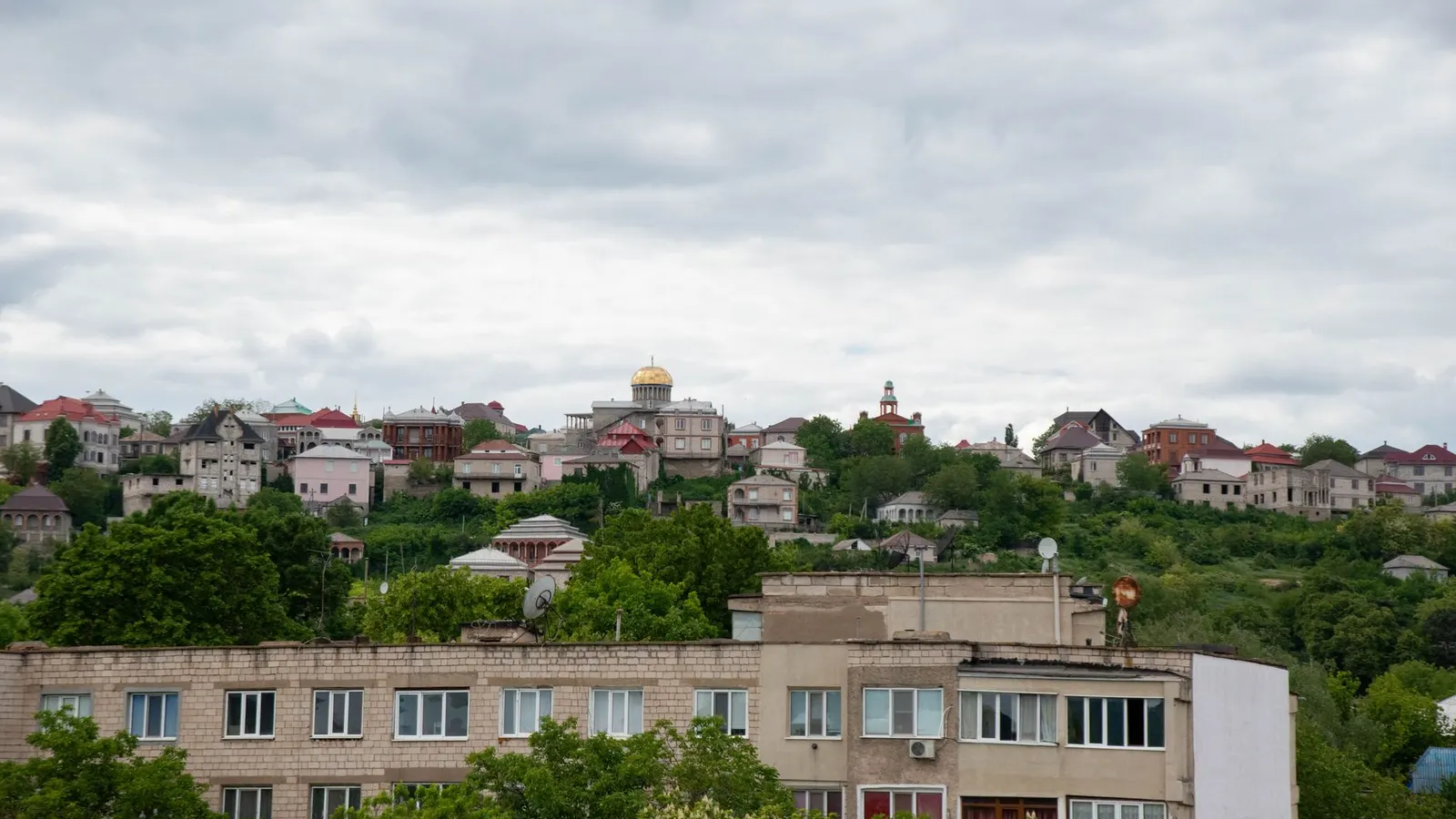
 Daniel Miller · Pexels License
Moldova
“The world's largest wine cellar, and the least-visited country in Europe.”
Moldova receives fewer visitors than any other country in Europe, which is a poor reflection of what is here. Mileștii Mici holds the largest wine collection in the world in two hundred kilometres of limestone galleries you drive through; Cricova is nearly as large. Wine is not a sideline in a country where a quarter of the workforce has worked in it.
Beyond the cellars there is Orheiul Vechi, a cave monastery cut into a cliff above a river bend, and Transnistria — a breakaway strip along the Nistru that has functioned as an unrecognised state since 1992, with its own currency, border posts and Soviet iconography intact. It is visitable as a day trip and is the strangest thing on the continent.
Highlights
Mileștii Mici and Cricova
Underground wine cities in old limestone quarries — Mileștii Mici holds the Guinness record for the largest collection, and both are toured by car or electric train through the galleries.
Orheiul Vechi
A cave monastery cut into a limestone cliff above a bend in the Răut, still occupied by monks, in a landscape of villages that have changed slowly.
Transnistria
An unrecognised breakaway state along the Nistru with its own currency, Soviet-era iconography and a functioning administration. Visited as a day trip from Chișinău with a registration slip at the crossing.
Village wine and food
Rural guesthouses in villages like Trebujeni and Butuceni serving home-made wine, plăcinte and mămăligă. The most rewarding thing here is not a sight at all.
Entry requirements for Moldova
Checking your passport…
We don't hold entry details for this passport group yet.
Before you fly
The detail
- Passport validity
- Most destinations want validity beyond your stay, and some want six months. Check yours against the return date.
- Onward travel
- Airlines may ask for a return or onward ticket at check-in.
- Health
- No vaccinations required. Healthcare is limited and private clinics in Chișinău are the practical option; EHIC does not apply, so insurance is necessary. Tap water is not reliably drinkable — use bottled. Rabies and tick-borne encephalitis are worth considering for rural stays.
- Money
- Moldovan leu. Cards work in Chișinău hotels, supermarkets and better restaurants and in little else — carry cash outside the capital. Transnistria uses its own rouble, which is worthless outside it and cannot be exchanged; spend or avoid it. ATMs are common in Chișinău. Tipping is around 10 %.
When to go
BestMay–Jun, Sep–Oct. AvoidNov–Feb.
The best month — warm, green and the countryside at its best.
The band above each month is our editorial verdict - it weighs crowds, prices and access as well as weather. The line is average daily temperature, the bars are monthly rainfall. Select a month for the figures. Climate figures: ERA5 reanalysis via Open-Meteo, 2005–2024 normals.
What it costs
A day in Moldova
Comfortable · sample day
≈ $49
Line items are real prices we track. The daily budget is an editorial estimate for this level, not their sum.
Where this sits among 244 countries we have costed
Almost no seasonality — visitor numbers are too low to move prices. National Wine Day in early October fills Chișinău hotels for a weekend and is the one exception. Moldova is among the cheapest countries in Europe in every month.
Updated Aug 2026 · Editorial synthesis — operator and guesthouse quotations, cellar tour tariffs (2025–2026) · confidence medium
Excludes international flights - they depend on where you fly from.
Regions to know
5Chișinău & the centre
The capital, the Mileștii Mici and Cricova wine cellars, and Orheiul Vechi's cave monastery.
The Codri
The central forested hills with monasteries at Căpriana and Hîncu and villages that have changed slowly.
The north
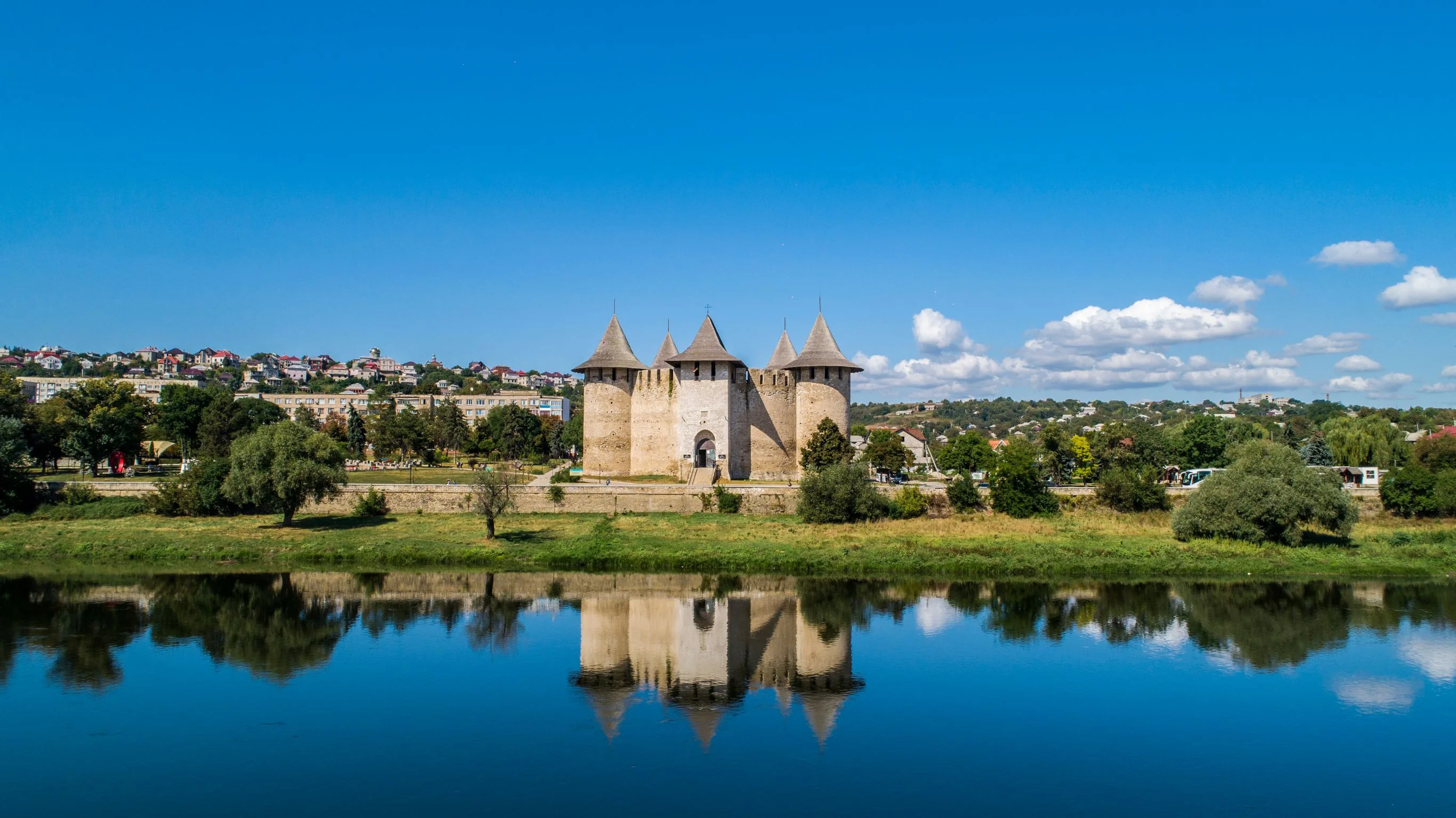
Soroca's fortress on the Nistru, the Rock of Soroca, and the Roma quarter with its extravagant houses.
Gagauzia & the south
An autonomous Turkic-speaking region with its own wine tradition, plus the Purcari estate near the Ukrainian border.
Transnistria
The unrecognised breakaway strip along the Nistru — Tiraspol, Bendery fortress and intact Soviet iconography.
Practical guide
Getting there
Chișinău (KIV) takes flights from across Europe, with Wizz Air and others serving it and volumes higher since 2022. Buses and trains link to Bucharest, Iași and Odesa historically, though the Ukrainian routes depend on the security situation. The Romanian border at Sculeni and Leușeni is the usual overland entry.
Getting around
Minibuses (rutiere) and buses cover the country cheaply from Chișinău's stations, though schedules are informal. The rail network is slow and limited. A hired car or driver is the practical way to reach the cellars, Orheiul Vechi and the villages — a driver for a day costs around €50 and removes a great deal of friction.
Money & costs
Moldovan leu. Cards work in Chișinău hotels, supermarkets and better restaurants and in little else — carry cash outside the capital. Transnistria uses its own rouble, which is worthless outside it and cannot be exchanged; spend or avoid it. ATMs are common in Chișinău. Tipping is around 10 %.
Safety
Chișinău is safe with ordinary precautions; petty theft and taxi overcharging are the main risks. Rural Moldova is very safe. Transnistria carries advisories and no consular support. The war in neighbouring Ukraine has produced occasional debris incidents in northern border areas and a large refugee presence, but the country itself is calm.
Health
No vaccinations required. Healthcare is limited and private clinics in Chișinău are the practical option; EHIC does not apply, so insurance is necessary. Tap water is not reliably drinkable — use bottled. Rabies and tick-borne encephalitis are worth considering for rural stays.
SIM & internet
Not in the EU, though roaming agreements have improved and some EU operators now include Moldova — check your plan. Local SIMs are very cheap and data is fast. Coverage is good. Transnistria has its own network and roaming there is separate and expensive.
Driving
Rental agreements frequently exclude Transnistria, and taking a hire car there without permission voids insurance entirely. Rural roads are poor and unlit, with horse carts and livestock. Do not drive at night outside the main corridors.
Rules change - verify with an official source before you rent.
ExplWorld VerifiedNo verified partners here yet - all 6 country seats are open.
Become ExplWorld Verified →Itineraries through this country
Before you go
MoldovaFrequently asked questions
Is Transnistria safe to visit?
Day trips from Chișinău are made routinely and are generally straightforward. You receive a registration slip at the de facto border with the hours you are permitted to stay — keep it and do not overstay. Your own government has no consular reach there, photography of military and administrative sites is prohibited, and advisories generally recommend against travel. Since 2022 tensions have been higher; check current advice before going.
How do I visit the wine cellars?
Book ahead — both Mileștii Mici and Cricova require reservations and you cannot simply turn up. Tours are by vehicle through the galleries and include tastings, which means arranging a driver or joining an organised trip from Chișinău. Budget around €30–50 including transport.
How long do I need?
Three or four days covers Chișinău, one or two cellars, Orheiul Vechi and a village night. A week lets you add Transnistria, Soroca's fortress and the Gagauz region in the south. The country is small — nothing is more than three hours from the capital.