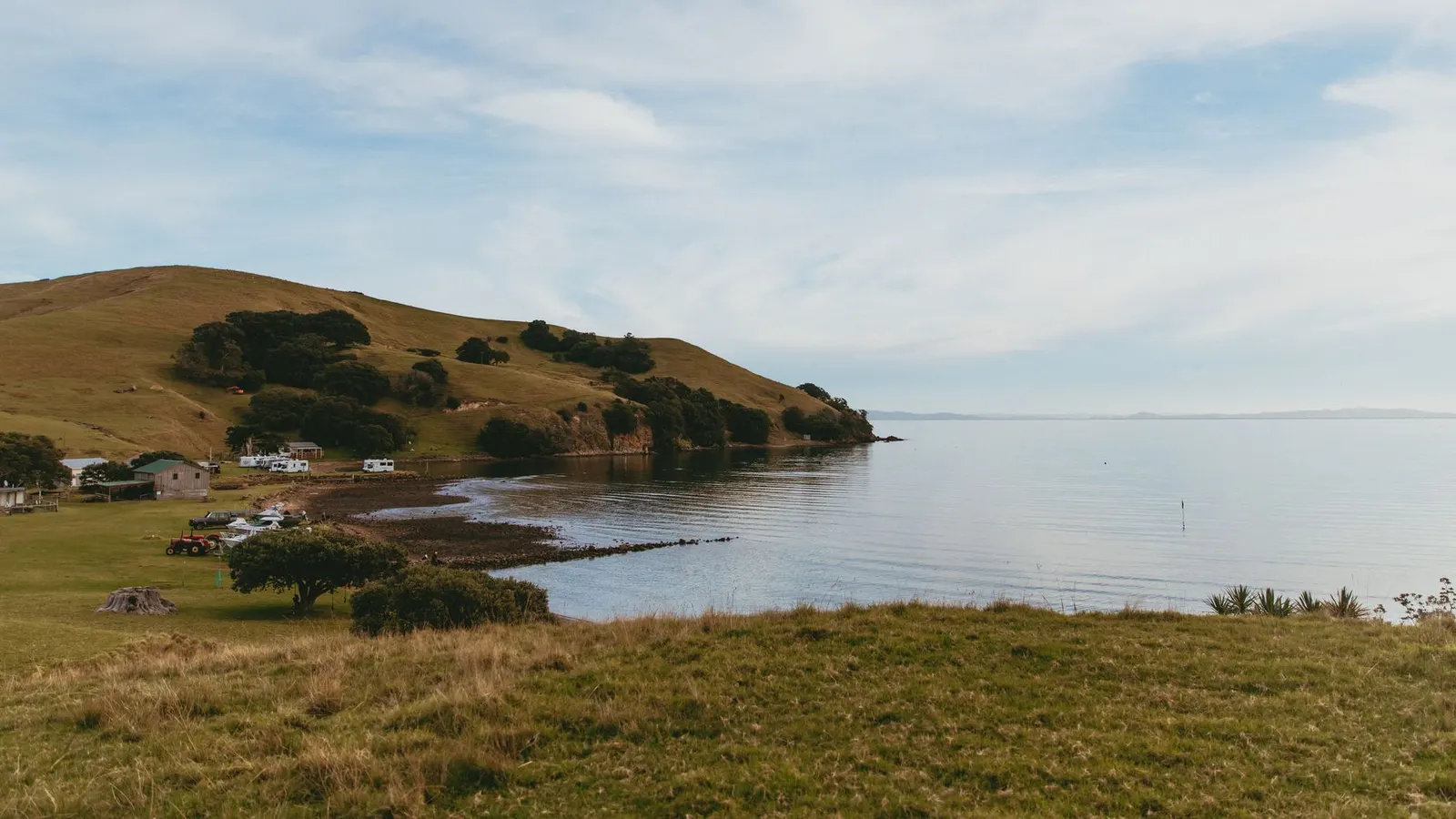
 Petra Reid · Pexels License
New Zealand
“Two islands, three plates, and more landscape per kilometre than almost anywhere.”
New Zealand sits on the boundary between the Pacific and Australian plates, which is why it has the Southern Alps running the length of the South Island, geysers and mud pools at Rotorua, and earthquakes. It is about the size of Britain with a fifteenth of the population, and most of that population is in the North Island while most of the landscape people come for is in the South.
The Department of Conservation manages a third of the country and runs a hut network that makes multi-day walking unusually accessible — the nine Great Walks are booked out months ahead for good reason. Māori culture is not a museum exhibit here: te reo Māori is an official language, and the Treaty of Waitangi remains an active constitutional question. Distances are modest by Australian standards but the roads are winding and every estimate should be increased.
Highlights
Fiordland and Milford Sound
Glacier-carved fiords rising 1,200 metres from the water, with Mitre Peak, waterfalls after rain and the Milford Track running in from Te Anau. It rains around 200 days a year here, and the fiords are arguably better for it.
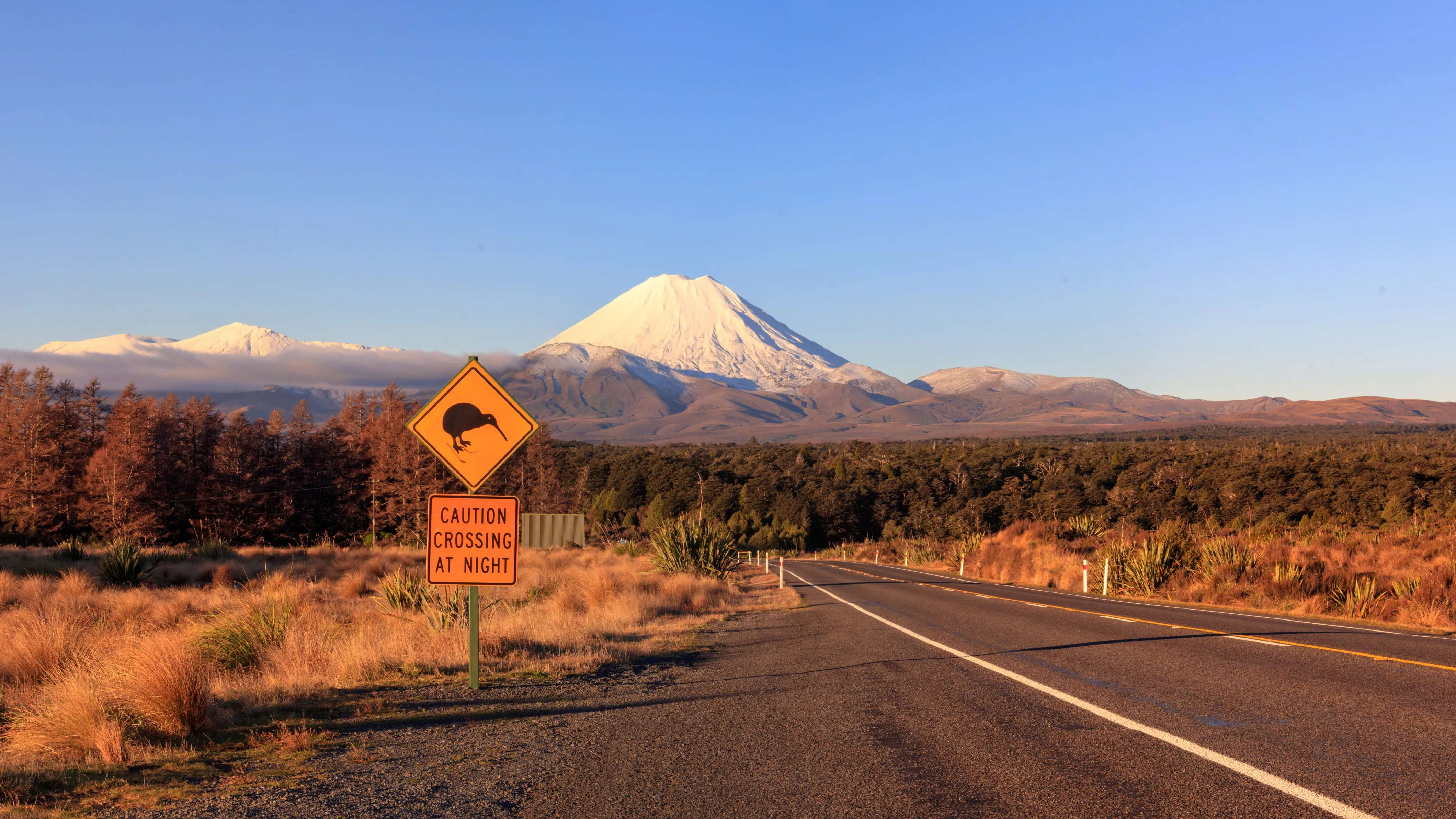
The Tongariro Alpine Crossing
A 19.4-kilometre day walk across an active volcanic landscape of emerald lakes, red craters and lava flows in the North Island — often called the best one-day walk in the country, and requiring a booked shuttle.
Rotorua and the geothermal belt
Geysers, silica terraces and mud pools along the Taupō Volcanic Zone, alongside the strongest concentration of living Māori cultural experience in the country.
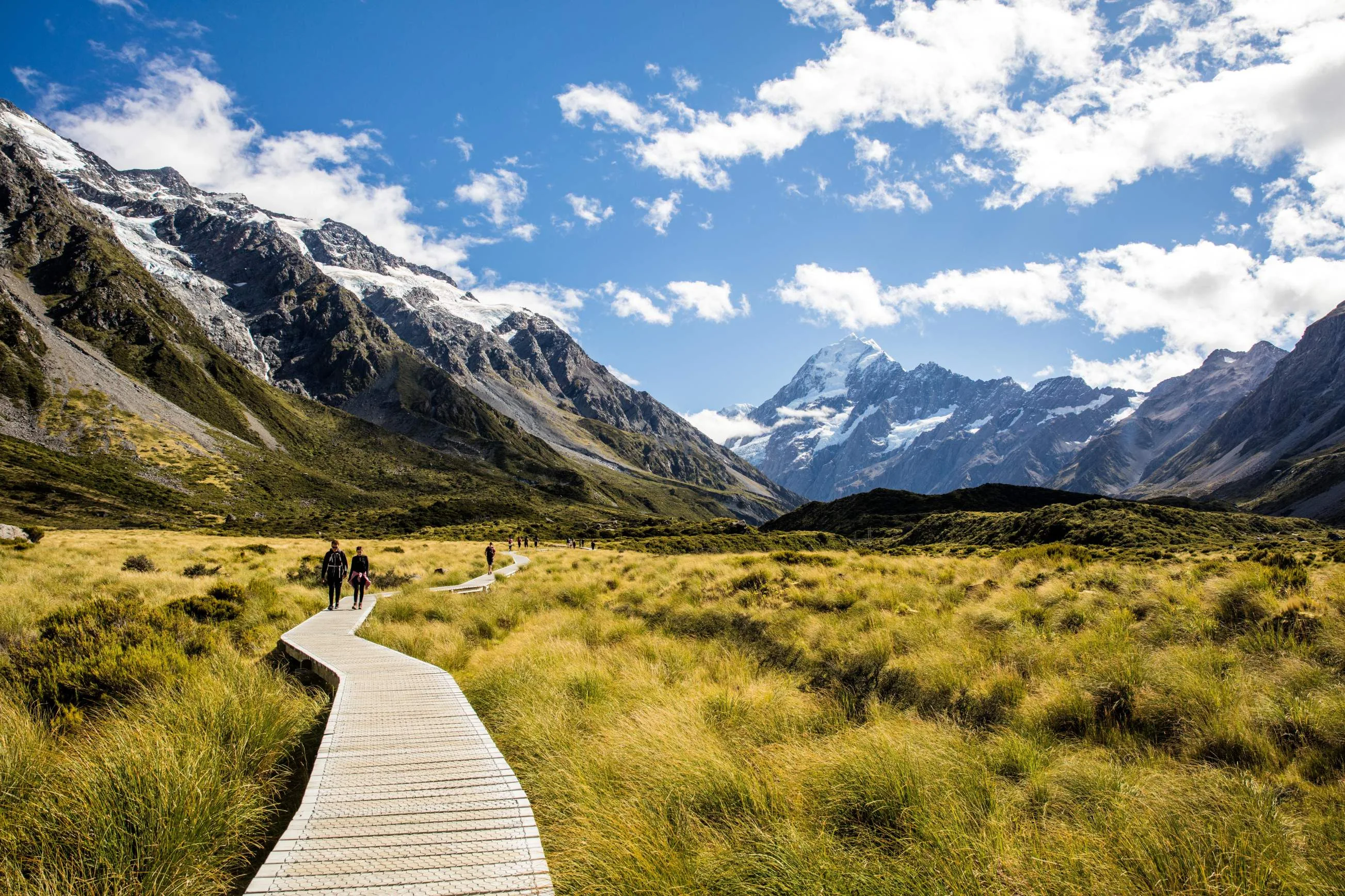
Aoraki/Mount Cook and the Mackenzie
The highest peak at 3,724 metres above the Hooker Valley, turquoise glacial lakes at Pūkaki and Tekapo, and a designated International Dark Sky Reserve overhead.
Entry requirements for New Zealand
Checking your passport…
We don't hold entry details for this passport group yet.
Before you fly
The detail
- Passport validity
- Most destinations want validity beyond your stay, and some want six months. Check yours against the return date.
- Onward travel
- Airlines may ask for a return or onward ticket at check-in.
- Health
- Excellent healthcare. ACC covers accident treatment for everyone including visitors, but not illness or repatriation, so insurance is still necessary. No dangerous animals at all; sandflies are the worst of it and they are relentless.
- Money
- New Zealand dollar; effectively cashless, with cards and contactless everywhere. Tipping is not customary. GST is included in displayed prices.
When to go
BestOct–Mar.
Peak summer — warm, long days, and very busy.
The band above each month is our editorial verdict - it weighs crowds, prices and access as well as weather. The line is average daily temperature, the bars are monthly rainfall. Select a month for the figures. Climate figures: ERA5 reanalysis via Open-Meteo, 2005–2024 normals.
What it costs
A day in New Zealand
Comfortable · sample day
≈ $157
Line items are real prices we track. The daily budget is an editorial estimate for this level, not their sum.
Where this sits among 244 countries we have costed
December to February is peak and campervan hire in particular can triple. Queenstown has a second peak in the July–August ski season.
Updated Aug 2026 · Editorial synthesis — DOC tariffs, operator pricing and accommodation sampling (2025–2026) · confidence high
Excludes international flights - they depend on where you fly from.
Regions to know
5Auckland and Northland
The harbour city, the Bay of Islands, Waitangi and the kauri forests towards Cape Reinga.
The central North Island
Rotorua's geothermal field, Lake Taupō, Tongariro's volcanoes and the Waitomo glowworm caves.
Wellington and the lower North Island
The capital, Te Papa, the Wairarapa wine country and the wild Kāpiti coast.
The southern Alps
Aoraki/Mount Cook, the Mackenzie basin, Queenstown, Wānaka and the West Coast glaciers.
Fiordland and the deep south
Milford and Doubtful Sounds, Te Anau, the Catlins coastline and Stewart Island with its kiwi.
Practical guide
Getting there
Auckland takes most long-haul traffic, with Christchurch and Wellington behind it. From Europe everything routes through Asia, North America or the Middle East and takes about 24 hours minimum.
Getting around
A car or campervan is how the country is designed to be seen. Air New Zealand and Jetstar link the main centres. InterCity buses cover the country and the Interislander and Bluebridge ferries cross Cook Strait in about three hours.
Money & costs
New Zealand dollar; effectively cashless, with cards and contactless everywhere. Tipping is not customary. GST is included in displayed prices.
Safety
Very safe. The risks are outdoor: rapidly changing alpine weather, river crossings, rip currents and sandflies in the west and south. Always fill in an intentions form for backcountry walks and check the DOC and MetService forecasts.
Health
Excellent healthcare. ACC covers accident treatment for everyone including visitors, but not illness or repatriation, so insurance is still necessary. No dangerous animals at all; sandflies are the worst of it and they are relentless.
SIM & internet
One NZ, Spark and 2degrees; prepaid SIMs are cheap. Coverage is good in populated areas and absent in the backcountry — carry a personal locator beacon for serious tramping, which hire shops rent cheaply.
Driving
Left-hand traffic. Roads are narrow, winding and slower than the map suggests — add 50% to any estimate. One-lane bridges are common and signed with priority arrows. Overseas drivers are over-represented in crashes; take the extra day rather than the long push.
Rules change - verify with an official source before you rent.
ExplWorld VerifiedNo verified partners here yet - all 6 country seats are open.
Become ExplWorld Verified →Itineraries through this country
Before you go
New ZealandFrequently asked questions
What do I need before I fly?
Visa-waiver nationals — EU, UK, US, Canada, Japan and about 60 others — need an NZeTA, applied for online or in the app before boarding, plus the International Visitor Levy. Australians need neither. The NZeTA takes up to 72 hours, so do not leave it to the airport. Biosecurity is the strictest in the world: declare hiking boots, tents, food and anything that has touched soil, and expect them to be inspected.
How far ahead do I book the Great Walks?
Bookings open in the winter for the following season and the popular ones — Milford, Routeburn, Abel Tasman — sell out within hours. If you have missed them, the wider DOC hut network has hundreds of alternatives that need no booking and are often just as good with a fraction of the traffic.
North Island or South Island?
The South has the alpine landscape, the fiords, the glaciers and the emptiness. The North has the volcanoes, the geothermal country, the best beaches, and most of the people and Māori cultural life. Two weeks does one island properly; three weeks does both at a rush. Ferry or a short flight connects them.