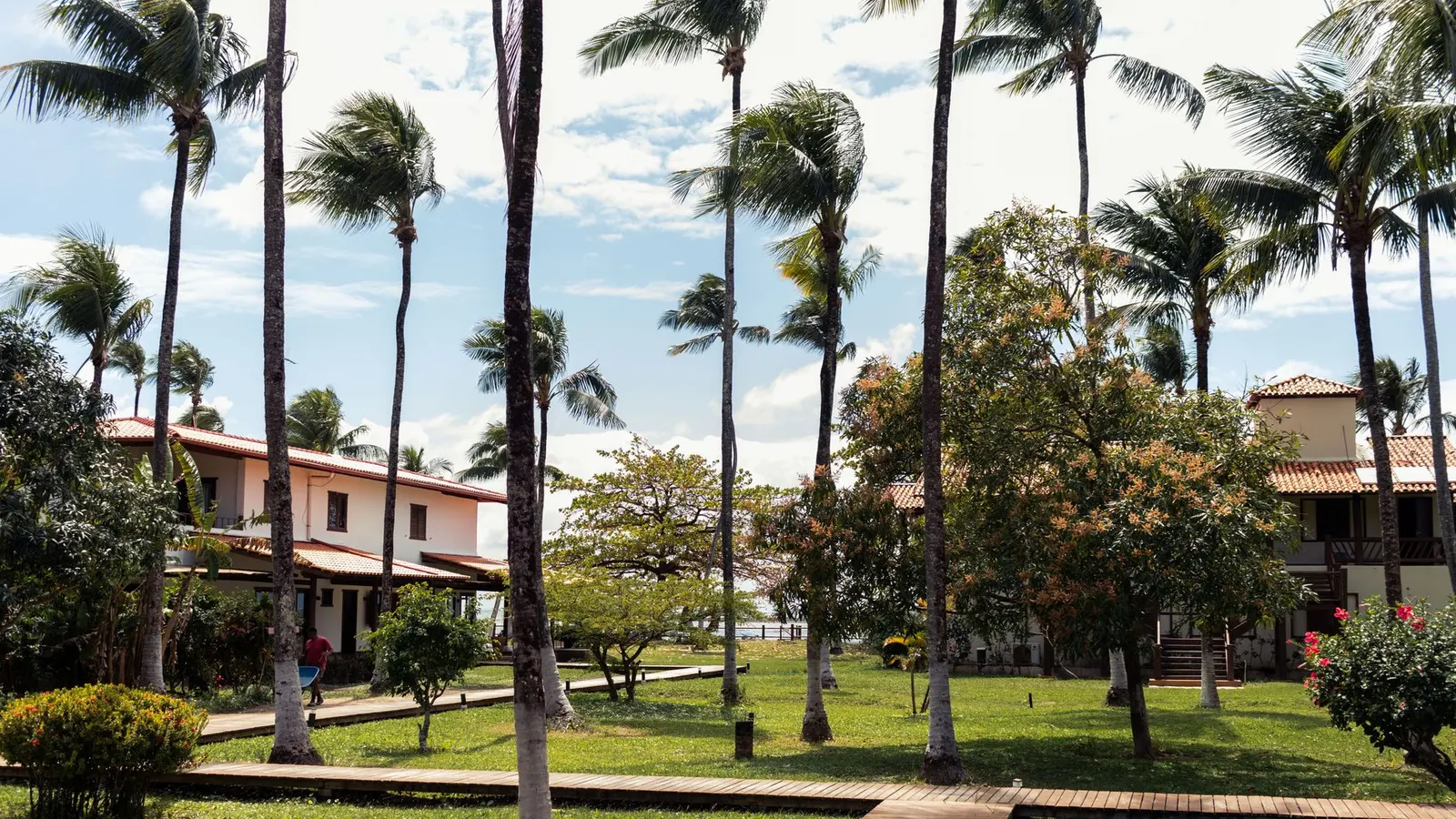
 Kaio Cardim · Pexels License
São Tomé and Príncipe
“Two volcanic islands of cocoa, rainforest and the best chocolate in Africa.”
São Tomé and Príncipe sits on the equator in the Gulf of Guinea, uninhabited before the Portuguese arrived in the 1470s and then developed as the world's first plantation economy based on enslaved labour — first sugar, then coffee, then cocoa. By 1900 it was the largest cocoa producer on earth. The roças, vast plantation complexes with hospitals, chapels and rail lines, were abandoned after independence in 1975 and are being reclaimed by the forest, which makes them among the most photogenic ruins anywhere.
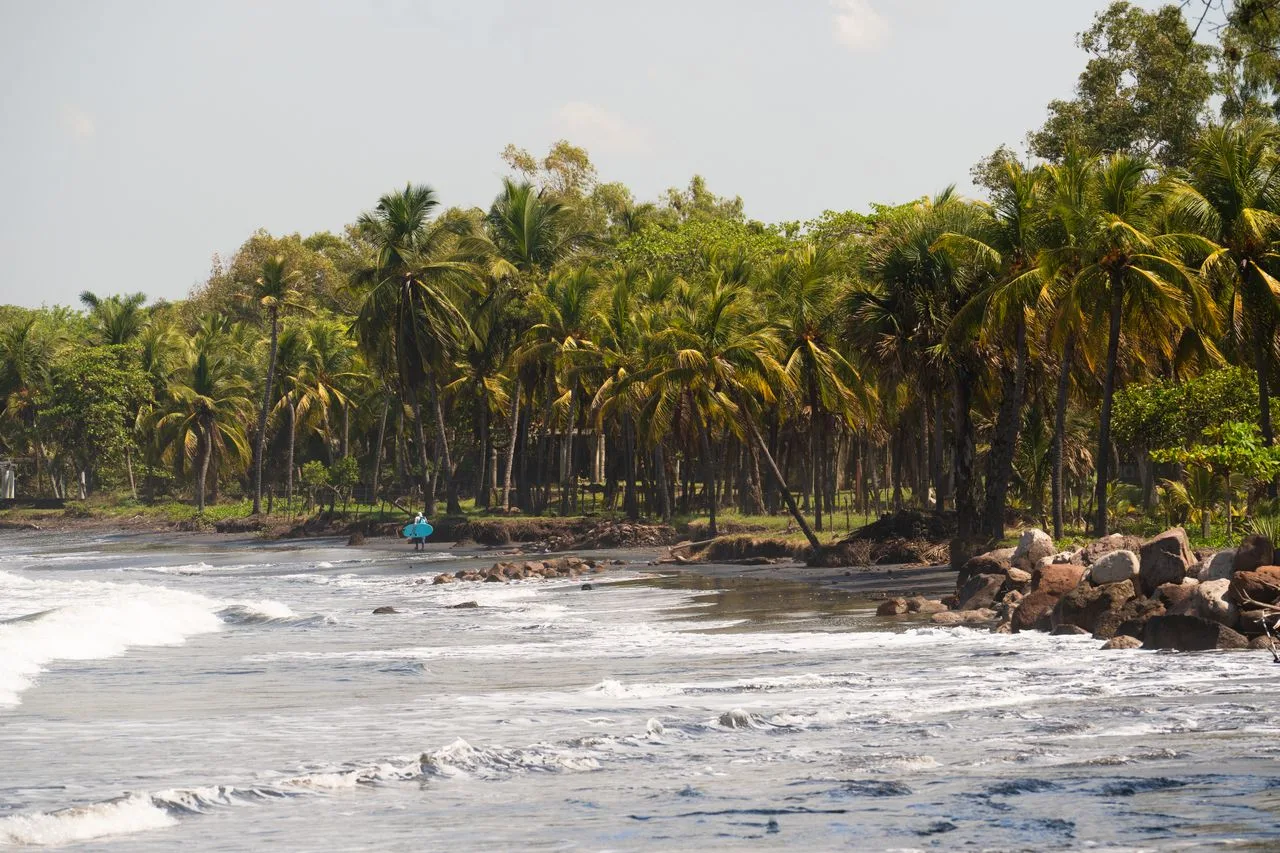
Príncipe, the smaller island, is a UNESCO biosphere reserve with a population of around eight thousand, volcanic spires rising out of rainforest and beaches with nobody on them. The country is safe, unhurried and Portuguese-speaking, and the cocoa has come back as high-end single-origin chocolate. It is one of the easiest and least-known island trips in Africa.
Highlights
The roças
Abandoned plantation complexes — Roça Água Izé, Roça Agostinho Neto, Roça Sundy on Príncipe — with colonnaded hospitals and workers' quarters being taken back by the forest. Some have been restored as hotels.
Pico Cão Grande
A volcanic plug rising 300 metres out of the rainforest in the south of São Tomé — a near-vertical needle that has become the country's emblem, best seen from the road to Porto Alegre.
Príncipe
A UNESCO biosphere reserve, thirty minutes by air, with Praia Banana, Bom Bom island, endemic birds and a population small enough that everyone knows the plane schedule.
Cocoa and chocolate
Single-origin cocoa from the restored plantations, with tastings and tours at Claudio Corallo's workshop in São Tomé — some of the best chocolate produced anywhere.
Entry requirements for São Tomé and Príncipe
Checking your passport…
We don't hold entry details for this passport group yet.
Before you fly
The detail
- Passport validity
- Most destinations want validity beyond your stay, and some want six months. Check yours against the return date.
- Onward travel
- Airlines may ask for a return or onward ticket at check-in.
- Health
- Malaria is present but transmission has fallen sharply after sustained control programmes; prophylaxis is still generally advised. Yellow fever certificate required from endemic countries. Medical facilities are basic; serious cases go to Lisbon or Libreville.
- Money
- The dobra is pegged to the euro at a fixed rate and euros are widely accepted. ATMs in São Tomé town; almost nothing on Príncipe. Cards work at the better hotels only. Bring cash.
When to go
BestJan–Feb, Jun–Sep. AvoidMar–May, Oct–Nov.
Dry, hot and sunny — the peak window.
The band above each month is our editorial verdict - it weighs crowds, prices and access as well as weather. The line is average daily temperature, the bars are monthly rainfall. Select a month for the figures. Climate figures: ERA5 reanalysis via Open-Meteo, 2005–2024 normals.
What it costs
A day in São Tomé and Príncipe
Comfortable · sample day
≈ $119
Line items are real prices we track. The daily budget is an editorial estimate for this level, not their sum.
Where this sits among 244 countries we have costed
Rates rise over Christmas and New Year and in the July–August European holiday window. Príncipe accommodation is limited enough that it books out well ahead.
Updated Aug 2026 · Editorial synthesis — accommodation and operator rate sampling (2025–2026) · confidence medium
Excludes international flights - they depend on where you fly from.
Regions to know
5São Tomé town
The small capital — the fort and national museum, the market, the cathedral and Claudio Corallo's chocolate workshop.
The north
Neves, Lagoa Azul's baobabs and the drier northern coast with its calmer beaches.
The centre and Óbo
Monte Café, Bom Sucesso, the Lagoa Amélia crater and the rainforest trails of Óbo national park.
The south
Pico Cão Grande, Praia Jalé's turtles, Porto Alegre and the boat trip to Rolas island on the equator.
Príncipe
Santo António, Praia Banana, Bom Bom, Roça Sundy and the biosphere reserve covering most of the island.
Practical guide
Getting there
São Tomé International is served by TAP from Lisbon, TAAG from Luanda, Ceiba and regional links to Libreville and Accra. STP Airways and Africa's Connection fly to Príncipe in about thirty minutes.
Getting around
Hire cars and taxis on both islands; the coastal road around São Tomé is mostly paved and the interior tracks need clearance. Shared minibuses connect the towns. Boats reach the southern beaches and the islets.
Money & costs
The dobra is pegged to the euro at a fixed rate and euros are widely accepted. ATMs in São Tomé town; almost nothing on Príncipe. Cards work at the better hotels only. Bring cash.
Safety
One of the safest countries in Africa, with very little crime beyond opportunistic theft. The Atlantic has strong currents on some beaches. Roads are the main practical hazard, particularly at night.
Health
Malaria is present but transmission has fallen sharply after sustained control programmes; prophylaxis is still generally advised. Yellow fever certificate required from endemic countries. Medical facilities are basic; serious cases go to Lisbon or Libreville.
SIM & internet
CST and Unitel STP; SIMs at the airport with passport. 4G in São Tomé town and the main settlements; patchy in the south and on Príncipe.
Driving
Roads are narrow, shared with pedestrians and dogs, and slippery in the rain. The southern interior needs clearance. Distances are short and journeys take longer than they look.
Rules change - verify with an official source before you rent.
ExplWorld VerifiedNo verified partners here yet - all 6 country seats are open.
Become ExplWorld Verified →Itineraries through this country
Before you go
São Tomé and PríncipeFrequently asked questions
Do I need a visa?
Probably not. EU/EEA, UK, US, Canadian and several other passports enter visa-free for up to fifteen days; longer stays and other nationalities use the online pre-registration or e-visa system. Passport valid six months. A yellow fever certificate is required if you are arriving from an endemic country.
How many days do I need?
A week for São Tomé, ten days if you add Príncipe. The islands are small but the roads are slow and the point is not to rush. Príncipe deserves at least three nights given the flight.
When is the gravana?
The gravana is the cooler dry season from roughly June to September — overcast, misty in the hills, and the best time for hiking. December to February is the other drier window, hotter and sunnier. March–May and October–November are the wet seasons and the south of São Tomé gets a great deal of rain.