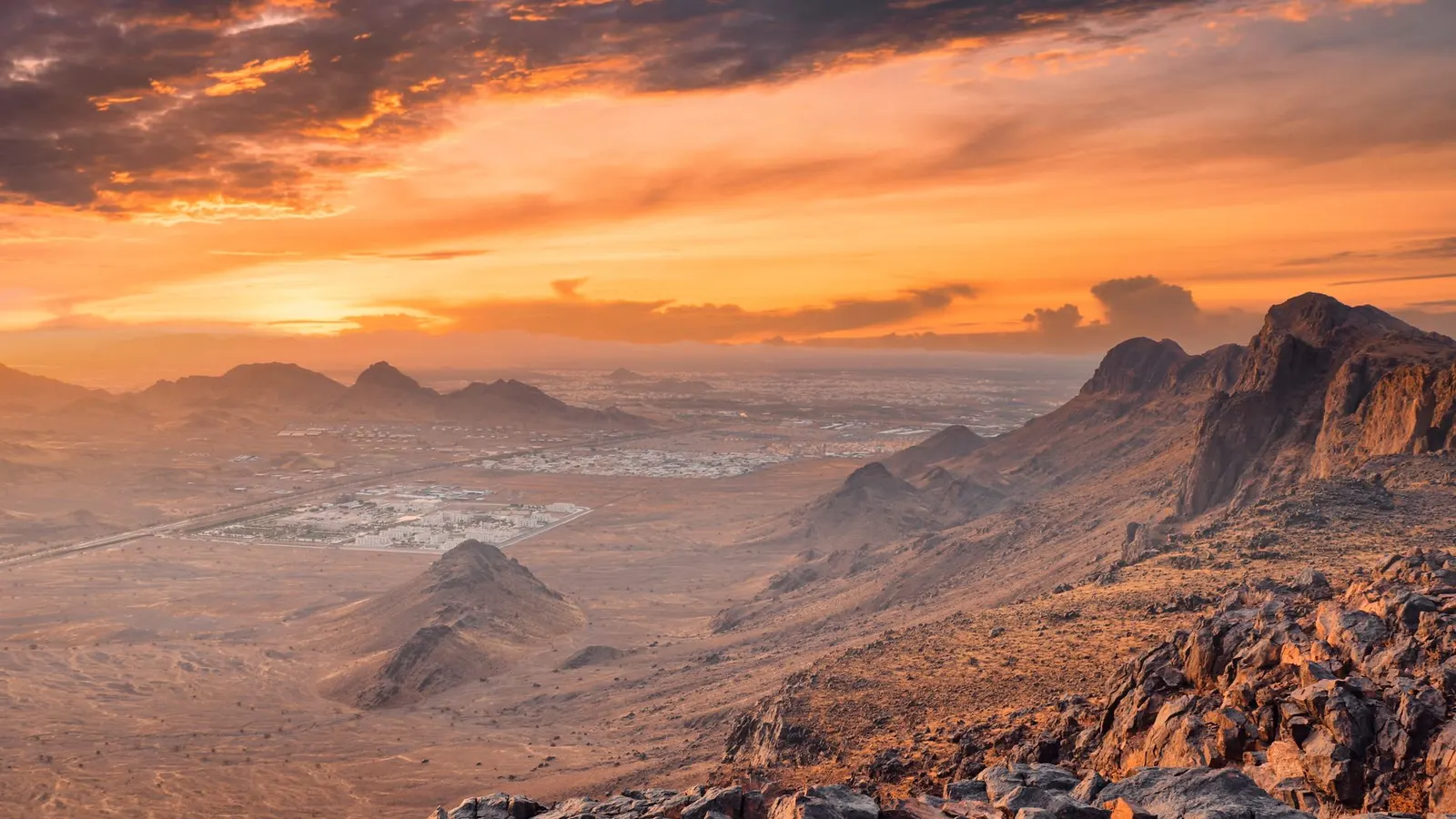
 Raziuddin Farooqi · Pexels License
Saudi Arabia
“Closed to tourists until 2019, and holding Nabataean tombs nobody had seen.”
Saudi Arabia issued its first tourist visas in September 2019. Before that, entry was for pilgrimage, work or family, which is why a country the size of Western Europe holds major archaeological sites that almost no outsider had visited. Hegra at AlUla is the Nabataeans' second city — a hundred and eleven rock-cut tombs in the same style as Petra, in a landscape of sandstone outcrops, with a fraction of the visitors.
The rest is a country in rapid and visible transition. Rules that governed daily life a decade ago — the driving ban on women, the religious police, the closed cinemas — have gone; others remain, and the legal environment is still one where speech and conduct carry risks that do not exist elsewhere. Mecca and Medina are closed to non-Muslims. For travellers the practical picture is a well-organised e-visa, excellent roads, extreme heat for half the year, and sites that feel genuinely undiscovered.
Highlights
Hegra and AlUla
The Nabataeans' southern capital — 111 monumental rock-cut tombs, UNESCO-listed, in a valley of sandstone outcrops. Access is by booked tour from the AlUla visitor centre.
Diriyah and old Riyadh
The mud-brick At-Turaif district, the first Saudi state's capital and UNESCO-listed, restored and reopened beside a modern capital of glass towers.
The Edge of the World
An escarpment ninety minutes from Riyadh where the Tuwaiq plateau drops several hundred metres to a desert floor that runs to the horizon. Reached by 4WD track.
The Farasan Islands and the Red Sea
Coral reef in the far southwest with almost no diving pressure, plus the terraced mountain villages of Asir and the Rijal Almaa heritage town inland.
Entry requirements for Saudi Arabia
Checking your passport…
We don't hold entry details for this passport group yet.
Before you fly
The detail
- Passport validity
- Most destinations want validity beyond your stay, and some want six months. Check yours against the return date.
- Onward travel
- Airlines may ask for a return or onward ticket at check-in.
- Arrival form
- E-visa including compulsory health insurance, plus the arrival declaration.
- Health
- No vaccinations required for tourists, though meningitis vaccination is required for pilgrims. Healthcare is good in the cities and expensive; insurance is bundled with the visa but check what it actually covers. Tap water is desalinated and generally safe in cities; most drink bottled. Heat is the dominant risk from April to October.
- Money
- Riyal, pegged to the US dollar. Cards are very widely accepted — Saudi Arabia is more cashless than most of the region. ATMs are everywhere. Tipping is not obligatory. There is no alcohol to budget for, which changes an evening's cost considerably compared with the UAE.
When to go
BestNov–Mar. AvoidMay–Sep.
The best month — mild everywhere, cold at night in the interior.
The band above each month is our editorial verdict - it weighs crowds, prices and access as well as weather. The line is average daily temperature, the bars are monthly rainfall. Select a month for the figures. Climate figures: ERA5 reanalysis via Open-Meteo, 2005–2024 normals.
What it costs
A day in Saudi Arabia
Comfortable · sample day
≈ $140
Line items are real prices we track. The daily budget is an editorial estimate for this level, not their sum.
Where this sits among 244 countries we have costed
AlUla has a clear October-to-March season with a festival calendar that lifts rates sharply; the cities are driven by business travel and by Ramadan and Hajj, when Jeddah and Medina fill completely. Summer is cheap and largely unvisitable outdoors. Fuel and domestic flights are inexpensive and steady.
Updated Aug 2026 · Editorial synthesis — Visit Saudi, Saudi Railways fares, Royal Commission for AlUla tariffs (2025–2026) · confidence medium
Excludes international flights - they depend on where you fly from.
Regions to know
5Riyadh & the Najd
The capital, the restored Diriyah district, the Edge of the World escarpment and the desert to the south.
AlUla & the northwest
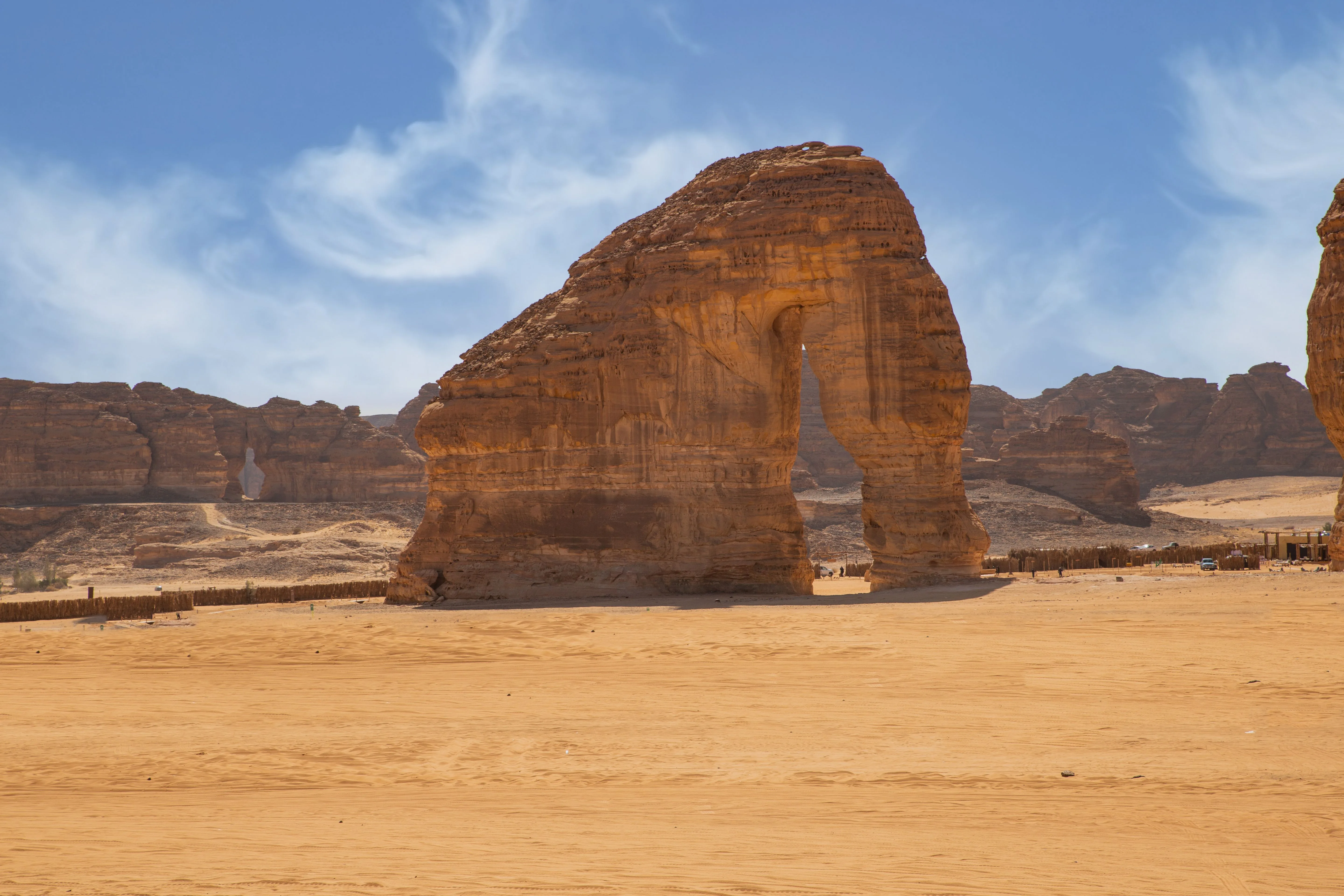
Hegra's Nabataean tombs, the old town, Elephant Rock and the sandstone valleys around them.
Jeddah & the Hejaz
The Red Sea port with its UNESCO-listed coral-stone old town, and the Taif highlands inland.
Asir & the southwest
Terraced mountain villages, Abha at 2,200 metres, Rijal Almaa's painted houses and the Farasan Islands offshore.
The Eastern Province
Dammam and Al Khobar, the Al-Ahsa oasis — the largest in the world — and the causeway to Bahrain.
Practical guide
Getting there
Riyadh (RUH) and Jeddah (JED) are the main gateways with growing international service; Dammam serves the east and AlUla has a small airport with domestic flights. Land borders with the UAE, Bahrain, Qatar, Oman and Jordan are open. The King Fahd Causeway links Bahrain by road.
Entry formalities
E-visa including compulsory health insurance, plus the arrival declaration.
Getting around
Domestic flights connect the main cities cheaply. The Haramain high-speed railway links Jeddah, Mecca and Medina at 300 km/h, and a separate line runs Riyadh to Dammam — non-Muslims cannot alight at the Mecca and Medina stations. Otherwise, a rental car. Roads are excellent, fuel is very cheap, and distances are enormous. Uber and Careem work in the cities.
Money & costs
Riyal, pegged to the US dollar. Cards are very widely accepted — Saudi Arabia is more cashless than most of the region. ATMs are everywhere. Tipping is not obligatory. There is no alcohol to budget for, which changes an evening's cost considerably compared with the UAE.
Safety
Very low crime and safe to move around. Foreign ministries advise against travel to the immediate Yemeni border area in the south, where there has been cross-border missile and drone activity. Elsewhere the risks are heat, long empty roads and the legal environment. Road accidents are the largest physical danger and the driving is fast.
Health
No vaccinations required for tourists, though meningitis vaccination is required for pilgrims. Healthcare is good in the cities and expensive; insurance is bundled with the visa but check what it actually covers. Tap water is desalinated and generally safe in cities; most drink bottled. Heat is the dominant risk from April to October.
SIM & internet
Local SIMs are cheap and require passport registration. Coverage is excellent along roads and in cities, thin in the deep desert. Wifi is standard. VoIP restrictions were lifted in 2017 and services generally work. Some content is filtered.
Driving
Roads are excellent and empty outside the cities, and fuel is among the cheapest in the world. Speeds are high and the accident rate is significant. Non-Muslims must not enter Mecca or Medina, and the restricted-area roads around them are signposted with bypass routes — following a satnav blindly is how people end up at a checkpoint they should not be at.
Rules change - verify with an official source before you rent.
ExplWorld VerifiedNo verified partners here yet - all 6 country seats are open.
Become ExplWorld Verified →Itineraries through this country
Before you go
Saudi ArabiaFrequently asked questions
How does the tourist visa work?
Most Western nationalities apply online for an e-visa, around 300 riyals including compulsory insurance, valid a year for multiple entries with stays up to 90 days. Some nationalities also qualify for visa on arrival. It is quick and reliable. Apply on the official visa.visitsaudi.com portal only.
What are the rules for women visitors?
Substantially relaxed since 2019. Women may travel and stay in hotels alone, drive, and are no longer required to wear an abaya — modest dress covering shoulders and knees is expected, and a scarf is useful for religious sites. There is no longer a male-guardian requirement for visitors. Attitudes vary regionally; Jeddah and AlUla are more relaxed than Riyadh.
What should I be careful about?
The legal environment. Alcohol is entirely prohibited and penalties are severe. Drug offences can carry the death penalty. Public criticism of the state or religion, including on social media, is prosecuted, and foreign nationals have been detained for it. Same-sex relations are criminalised. Photography of people, government buildings and military sites is restricted. None of this affects a careful visitor, and all of it is worth knowing.