Zambia
“Victoria Falls from the quiet side, and the country that invented the walking safari.”
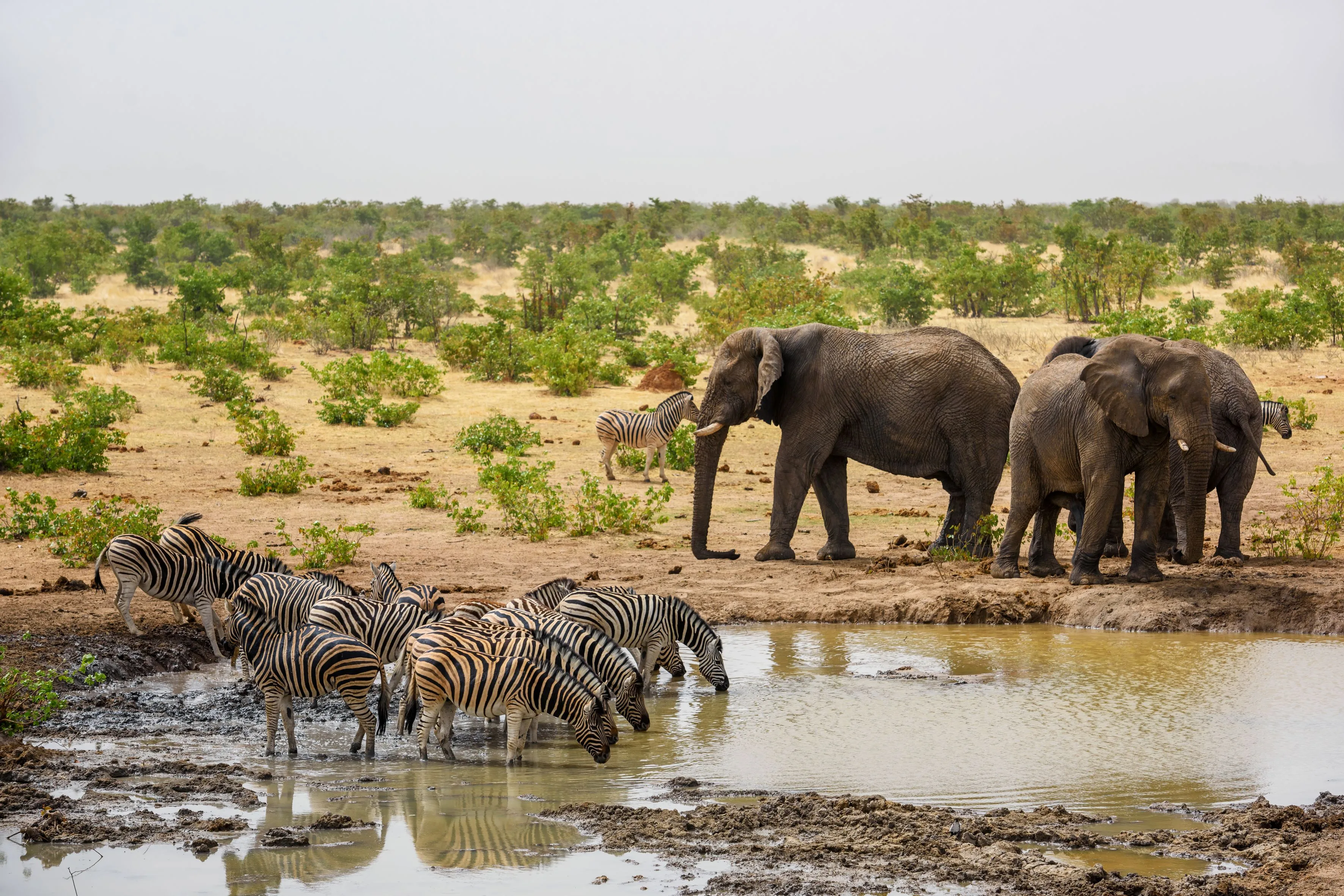
Zambia is where the walking safari was invented, in South Luangwa in the 1950s, and it is still the best place to do one. The parks are large, the camps are small, and the emphasis is on being in the bush on foot with an armed guide rather than queueing four vehicles deep at a leopard sighting. The country sees a fraction of the visitors that Kenya or South Africa do.
Victoria Falls is shared with Zimbabwe, and the Zambian side gives you Livingstone, Devil's Pool at low water, and generally lower prices. The catch is seasonal: from October to December the Zambian side of the falls can run nearly dry, while in April the spray is so heavy you see nothing at all. Most park camps close entirely in the November–March rains, so the calendar drives the trip more than in most countries.
Highlights
South Luangwa walking safaris
The birthplace of the walking safari and still the benchmark. Leopard densities here are among the highest in Africa, and small bush camps put you on foot with a guide and an armed scout rather than in a queue of vehicles.
Victoria Falls and Devil's Pool
The Zambian side gives you the Knife-Edge Bridge, the Boiling Pot walk and — from roughly August to December, when the water is low enough — the swim at Devil's Pool on the very lip of the drop.
Lower Zambezi
Canoe safaris on the river between escarpment walls, drifting past elephant and hippo with Zimbabwe's Mana Pools on the far bank. Fly-in from Lusaka; the road is long.
Kasanka bat migration
Ten million straw-coloured fruit bats converge on a patch of swamp forest each November and December — the largest mammal migration on earth by number, and one almost nobody sees.
Entry requirements for Zambia
Checking your passport…
We don't hold entry details for this passport group yet.
Before you fly
The detail
- Passport validity
- Most destinations want validity beyond your stay, and some want six months. Check yours against the return date.
- Onward travel
- Airlines may ask for a return or onward ticket at check-in.
- Health
- Yellow fever certificate required if arriving from an endemic country — including from several neighbours. Malaria risk is year-round nationwide and high in the Luangwa and Zambezi valleys. Bilharzia in still water. Evacuation insurance is essential given how remote the camps are.
- Money
- The kwacha for local spending; US dollars for park fees, camps and activities. ATMs in Lusaka and Livingstone are fine; almost nothing in the parks. Cards work in cities and at lodges, rarely elsewhere.
When to go
BestMay–Sep. AvoidDec–Mar.
Green, dry, comfortable and quiet.
The band above each month is our editorial verdict - it weighs crowds, prices and access as well as weather. The line is average daily temperature, the bars are monthly rainfall. Select a month for the figures. Climate figures: ERA5 reanalysis via Open-Meteo, 2005–2024 normals.
What it costs
A day in Zambia
Comfortable · sample day
≈ $119
Line items are real prices we track. The daily budget is an editorial estimate for this level, not their sum.
Where this sits among 244 countries we have costed
Safari camps price in three tiers — green season (Dec–Mar, often closed), shoulder (Apr–Jun, Nov) and peak (Jul–Oct), with peak often double the shoulder rate.
Updated Aug 2026 · Editorial synthesis — DNPW park tariffs and camp rate sampling (2025–2026) · confidence medium
Excludes international flights - they depend on where you fly from.
Regions to know
5Livingstone and the Zambezi
Victoria Falls, Devil's Pool, rafting below the gorge, sunset cruises and Mosi-oa-Tunya park.
South Luangwa
The walking-safari heartland — leopard, wild dog and small owner-run bush camps along the Luangwa river.
Lower Zambezi
Canoe and boat safaris beneath the escarpment, facing Mana Pools across the river.
Kafue
Zambia's largest park — the Busanga plains with lion and lechwe in the north, and very few other vehicles anywhere.
Lusaka and the north
The capital, the Copperbelt, Kasanka's bat migration and the remote falls of the far north.
Practical guide
Getting there
Kenneth Kaunda International in Lusaka is the main gateway, served by Ethiopian, Kenya Airways, Emirates, Qatar, Turkish and South African. Harry Mwanga Nkumbula in Livingstone takes regional flights and is the practical arrival point for the falls. Proflight links Lusaka to Mfuwe for South Luangwa.
Getting around
Distances are large and roads variable — light aircraft are how most safari travellers move. Inter-city coaches connect Lusaka, Livingstone and the Copperbelt. Self-drive with a well-equipped 4x4 is popular and rewarding but demands preparation and spare fuel.
Money & costs
The kwacha for local spending; US dollars for park fees, camps and activities. ATMs in Lusaka and Livingstone are fine; almost nothing in the parks. Cards work in cities and at lodges, rarely elsewhere.
Safety
Low violent crime; petty theft in Lusaka and around Livingstone's tourist strip. The real risks are wildlife and road: never walk between camp tents at night without an escort, and avoid driving after dark.
Health
Yellow fever certificate required if arriving from an endemic country — including from several neighbours. Malaria risk is year-round nationwide and high in the Luangwa and Zambezi valleys. Bilharzia in still water. Evacuation insurance is essential given how remote the camps are.
SIM & internet
MTN, Airtel and Zamtel; SIMs need passport registration. 4G in cities and Livingstone; bush camps rely on satellite or intermittent Wi-Fi and many deliberately have none.
Driving
Left-hand traffic. Police checkpoints are frequent and usually routine — carry licence, IDP, insurance and vehicle papers. Fuel stations thin out badly in the parks and the west; carry jerrycans on long legs.
Rules change - verify with an official source before you rent.
ExplWorld VerifiedNo verified partners here yet - all 6 country seats are open.
Become ExplWorld Verified →Itineraries through this country
Before you go
ZambiaFrequently asked questions
When is Victoria Falls best from the Zambian side?
Volume peaks in March and April, when the spray is so dense that you get soaked and see very little of the actual falls. The Zambian viewpoints work best from May to August. From roughly September to December the eastern cataract can reduce to a trickle — which is exactly when Devil's Pool opens. If seeing full-force water matters more than swimming, come in May or June, and consider crossing to the Zimbabwean side for the wider view.
Do camps really close in the rains?
Yes. Most South Luangwa and Lower Zambezi bush camps close from around November to April because the access tracks become impassable. A handful of all-weather lodges stay open and run "emerald season" boat safaris, which are cheap, green, birdy and very quiet — a genuinely different trip rather than a compromised one.
Is Zambia expensive?
Safari Zambia is expensive — remote fly-in camps with high guiding standards are €400–800 per person per night all-inclusive. Independent Zambia is not: Livingstone, Lusaka and self-drive travel are affordable. The country splits sharply into those two trips.