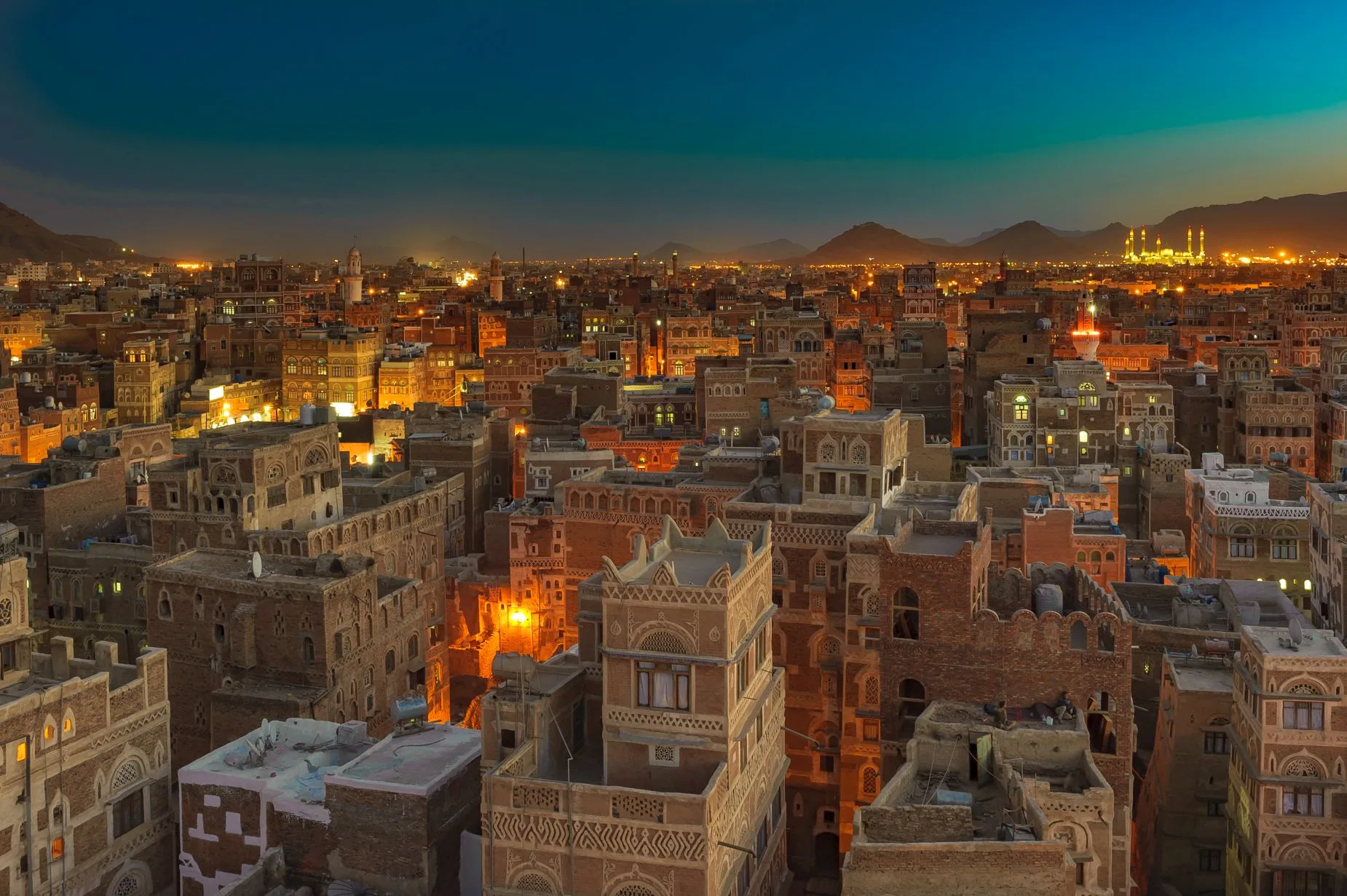
One watershed, followed from the closed canal at the Russian border to the ridge above Pielinen. Trains and buses almost the whole way — a hire car only for the last two days — a castle on a rock in a strait, the only freshwater seal in the European Union, and a lake system of some fourteen thousand islands.
Helsinki
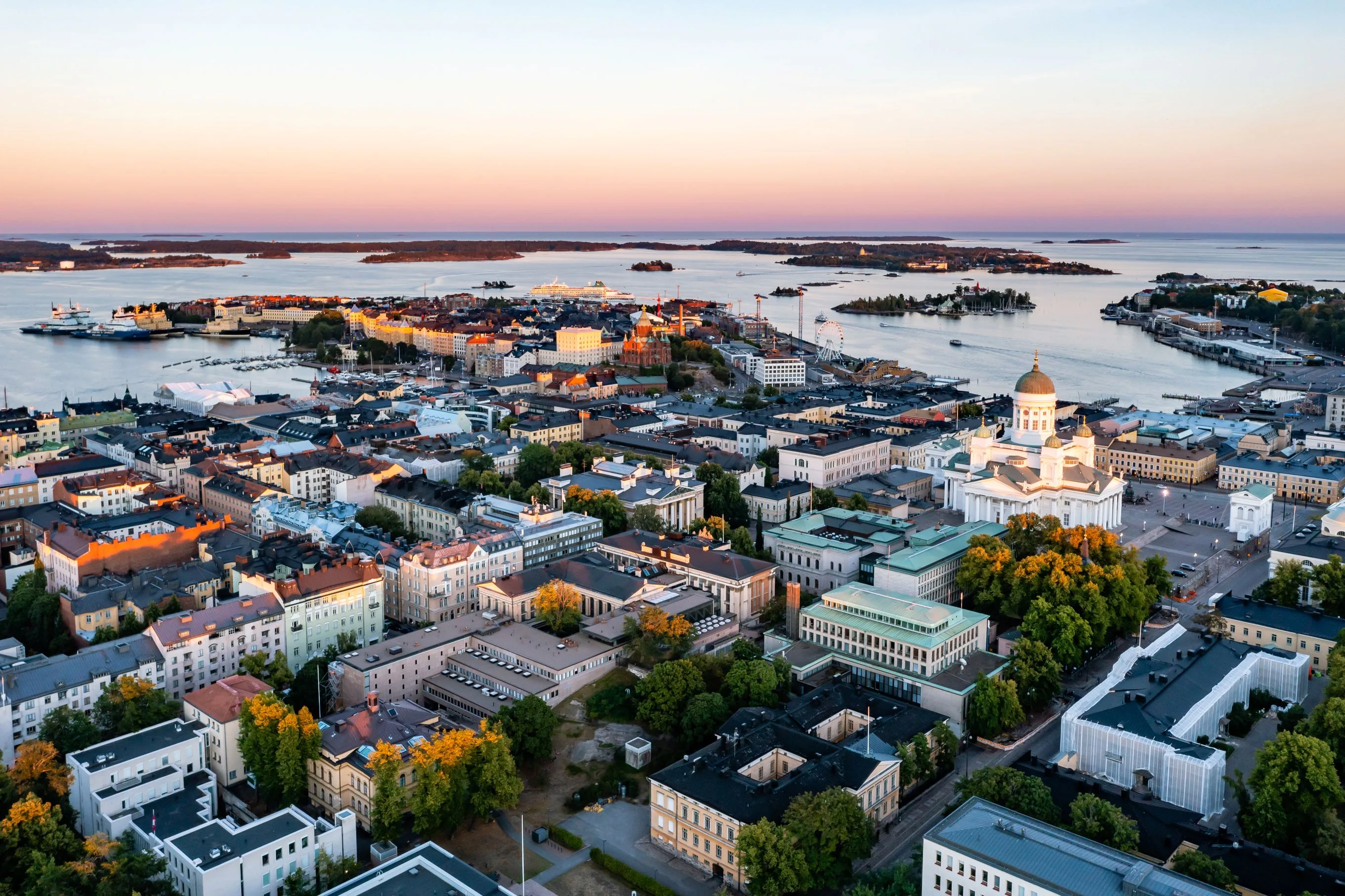
A city of about 650,000 that behaves like a smaller one. The Kauppatori market hall for lunch, Oodi library because it is a genuinely good public building and not a photograph, then Kallio in the evening, which is where the rents were once cheap and the bars still are.
Suomenlinna and a public sauna
The sea fortress is a fifteen-minute ferry on an ordinary city transport ticket, and about 800 people live on it. Afterwards go to a public sauna rather than a hotel one: Kotiharju in Kallio has been wood-fired since 1928 and costs less than a cinema ticket.
East to Lappeenranta
Two hours by train to the southern end of Saimaa. The fortress above the harbour is Swedish, then Russian, then Finnish, in that order. The Saimaa Canal below it ran cargo to the Gulf of Finland through leased Russian territory until traffic stopped in 2022; the lease itself runs to 2063 and the water is now empty.
Imatra
The rapids here were a tourist attraction before Finland was a country — Catherine the Great came in 1772 — and they have been dry since the hydroelectric plant took the water in 1929. In summer the gates open once a day for about twenty minutes, with music, and several hundred people watch a river being switched on.
North through Punkaharju to Savonlinna
The road runs along the Punkaharju esker, a gravel ridge left by the ice with water on both sides and room for little else. Alexander I ordered it protected from logging in 1803, which makes it the oldest conservation area in the country; Nicholas I turned it into a crown park four decades after that. Savonlinna at the end of it is a small town wrapped around a castle.
Olavinlinna
The castle was started in 1475 to hold a border that moved anyway, and it is one of the few medieval fortresses this far north still standing to full height. Entry is by guided tour only. In July the courtyard becomes an opera house and the town doubles in size; outside July you will share it with a school group.
Linnansaari National Park
Out by bus to Oravi or Rantasalmi and then by water. This is the core of the Saimaa ringed seal range: roughly 500 animals, found in this lake and nowhere else on earth. Take the park boat or rent a canoe, keep well off the rocks, and accept that most people do not see one.
Savonlinna to Kuopio
Three hours by road, or twelve by lake ship in summer, which is a whole day and the better version if you have one to spend. Kuopio is the capital of Savo, a dialect that other Finns find funny, and it has the market square where kalakukko is sold — rye loaf baked shut around fish, protected at EU level as a traditional speciality.
Puijo and the smoke sauna
Up the tower on Puijo for the standard view of Finland, which is water and forest in roughly equal parts to the horizon. In the evening, the smoke sauna at Jätkänkämppä: no chimney, heated for hours, aired out, then used. It runs on fixed evenings, so check the day before rather than turning up.
East to Koli
A change at Joensuu and about four hours in total. Koli is a quartzite ridge above Pielinen, painted by Eero Järnefelt and others until it became the country's designated national landscape, which is a real administrative category here. National park since 1991.
Walking above Pielinen
Ukko-Koli is a twenty-minute climb from the car park and the view everybody comes for. The Herajärvi circuit behind the ridge is the reason to stay: two or three days if you walk it all, or a comfortable day loop on the northern half.
Ruunaa and out via Joensuu
Round the lake to the Lieksanjoki and the Ruunaa rapids, six of them in a row, run by raft in summer and walked on boardwalks the rest of the year. Then south to Joensuu for the train home — four and a half hours to Helsinki. Four hours of the day are driving before you count the rapids, so take the first raft slot or walk the boardwalks and keep the margin.
Good to know
Trains and long-distance buses are sold by entirely separate companies and do not appear in each other's apps — VR for rail, Matkahuolto for the bus network, OnniBus as a cheaper third option on the trunk routes. VR fares rise as departure approaches, so book the long legs the moment you are sure of them; the short ones can wait. National park entry is free, everywhere, and always has been: what you pay for is the boat to the island. Everyman's right lets you walk, swim, pick berries and pitch a tent for a night on most land, but not in a yard, not on a cultivated field, and never with an open fire — fires need the landowner's permission and are banned outright whenever a wildfire warning is in force, which happens most summers. Anything stronger than eight per cent alcohol comes from Alko, the state shop, which shuts early on Saturdays and does not open on Sundays. July is high season for a reason and Savonlinna in particular fills for the opera festival: book that town months ahead or skip the month. The lake ships, the Pielinen ferry and the Imatra release are all summer services and stop in August or early September. Mosquitoes are serious from late June to early August; the lakes are worse than the coast and Lapland is worse than either.
Shorter or longer?
Add five days in Lapland. From Joensuu run back to Helsinki or across to Oulu, then take the sleeper to Rovaniemi or Kolari and walk in Pyhä-Luosto or Pallas-Yllästunturi. The night train carries cars and bikes, which is why Finns use it.
Helsinki, Lappeenranta, Savonlinna, Linnansaari, Kuopio, out. Keeps the castle and the seals, drops North Karelia and both of the longer transfer days.