KleverLevel / stock.adobe.com
The Rate the Machine Offers You
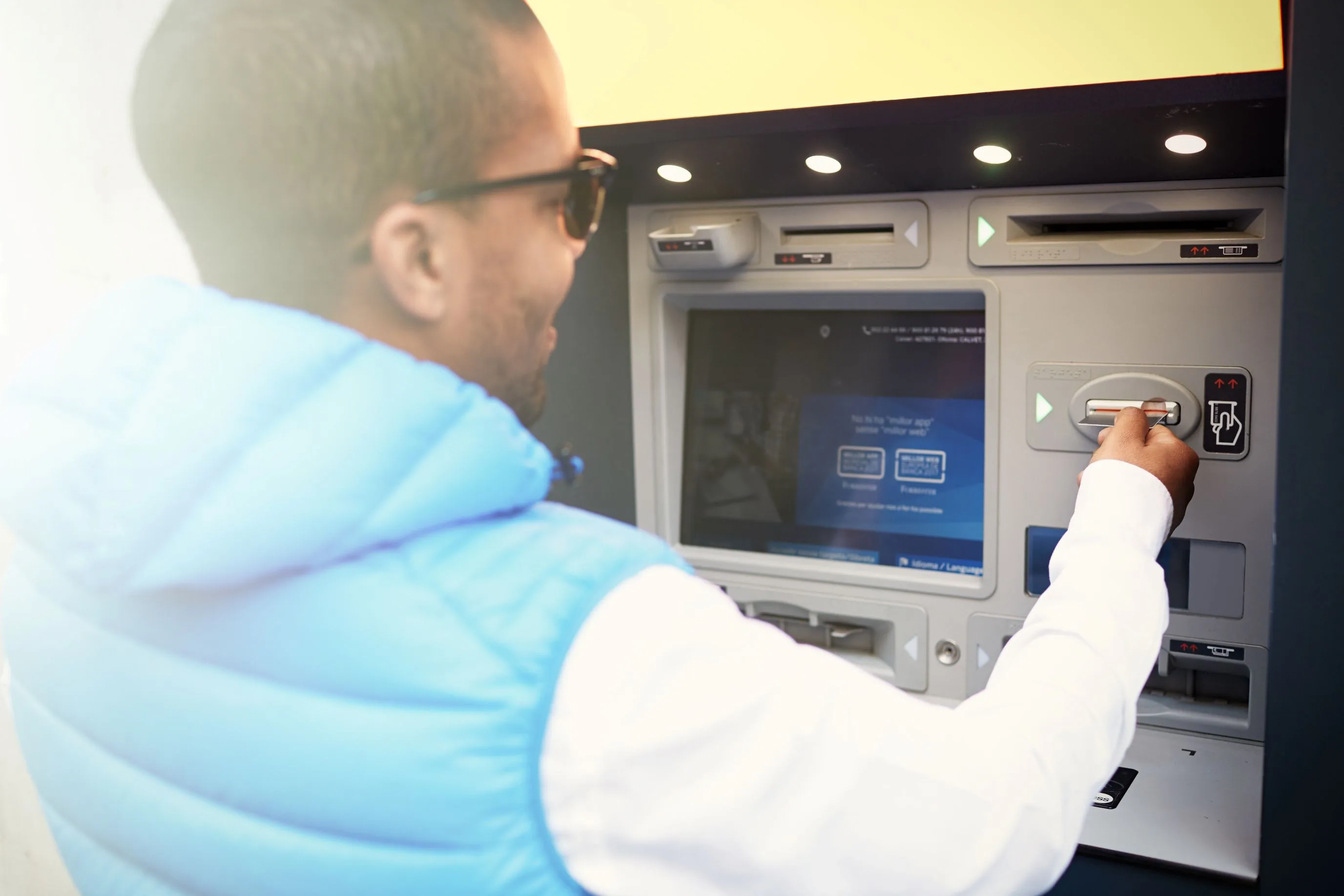
The ATM asks whether you would like to be charged in your own currency, at a rate shown helpfully on screen. Accepting is the single most reliable way to lose money abroad — and it does not remove your own bank’s foreign-transaction fee either.
The screen asks a helpful-sounding question. You are withdrawing 200 units of the local currency; would you like to be charged in your home currency instead, at a rate shown right there on the display? The rate looks reasonable. The offer looks like a courtesy. It is neither. This is dynamic currency conversion, and accepting it is the single most reliable way to lose money at a foreign ATM or card terminal.
What is being sold
When you pay in the local currency, the conversion is done by the card scheme — Visa, Mastercard, and their equivalents — at a wholesale rate very close to the interbank mid-market, and then your own bank applies whatever foreign-transaction fee it charges. When you accept DCC, the conversion is done instead by the merchant’s payment processor or the ATM operator, at a rate they set themselves, and the margin they add is theirs to keep. Typical spreads run from about three per cent to well over ten, and outside the jurisdictions that mandate disclosure the machine is not obliged to show you the reference rate you are being compared against.
The critical detail: accepting DCC does not remove your own bank’s foreign-transaction fee. Many cards still apply it, because the transaction is still cross-border. You can end up paying a marked-up conversion and a foreign fee on top of it — which is how a charge presented as a way to avoid surprises becomes the most expensive available option.
The margin is shared. Some of it goes to the processor, some to the merchant or ATM operator as an incentive to offer it, which is why the offer is so persistent and why staff at some tourist-district businesses are trained to press the button for you. This is not a conspiracy; it is a commission structure, and it behaves exactly as commission structures do.
The rate is guaranteed, the screen says. It is — the way a shop guarantees its own price. Guaranteed is not the same as good.
The language it hides behind
Every implementation phrases the expensive choice as the safe one. "Charge in GBP — no exchange rate risk." "Accept conversion at a guaranteed rate." "Pay in your own currency and know exactly what you will be charged." All of that is technically accurate and none of it discloses the spread. Meanwhile the cheap option is worded as a refusal — "continue without conversion", "decline" — which reads as opting out of a protection.
The card schemes require that the customer be given a genuine choice and, in some jurisdictions, that the mark-up over a reference rate be disclosed. Compliance is uneven, and the disclosure, where it appears, is usually a percentage in small type on a screen the customer has three seconds to read.
Where you will meet it
Independent ATMs in airports, stations and tourist quarters are the worst offenders, particularly the brands that are not attached to any bank — these machines frequently combine a high fixed access fee, a poor DCC rate and a default that assumes acceptance. Card terminals in restaurants and shops in heavily touristed cities offer it constantly. Some hotel and car-hire systems apply it by default and only disclose it on the printed receipt, which is where you should check: a receipt showing your home currency after a purchase priced in local currency means DCC was applied.
Online is the newer frontier. Booking platforms, airline sites and some ticketing systems now offer to bill in your home currency, using exactly the same mechanism and the same spread. The tell is the same — a rate quoted to you by the merchant rather than by your bank.
The rule
Always choose the local currency. Always. On an ATM this is usually phrased as declining the conversion, continuing without conversion, or simply pressing the option that does not have a rate printed next to it — the wording is designed to make the expensive choice the confident-looking one. On a card terminal, ask the cashier to charge in local currency before they hand you the device; if a receipt comes back in your home currency, you are entitled to ask for it to be voided and rerun, and most will do it without argument.
Two further habits do most of the remaining work. Decline the ATM operator’s own fixed fee by using bank-owned machines where possible, and make fewer, larger withdrawals rather than many small ones, since the fixed component of the fee does not scale. And carry a card that does not charge a foreign-transaction fee at all — that decision, made once at home, saves more over a year of travel than every other tactic on this page combined.
Sources
- Regulation (EU) 2019/518 on cross-border payments
The EEA rules requiring currency-conversion mark-ups to be disclosed against the ECB reference rate; the consolidated text is on EUR-Lex.
- Your card issuer’s fee schedule
Whether a foreign-transaction fee applies regardless of the currency you were charged in is defined by the issuer, not by the terminal.